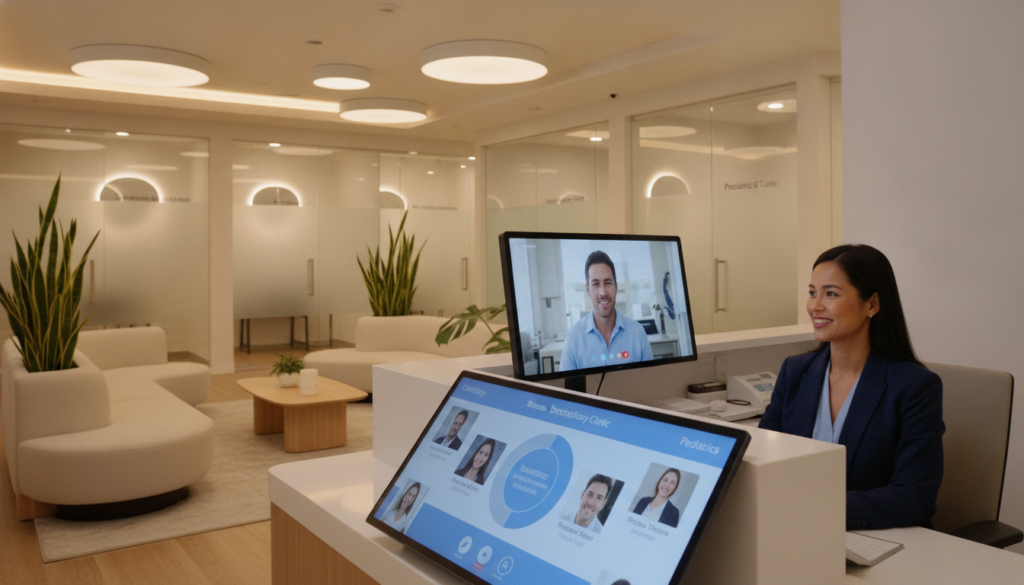
Can your organization expand digital care without hiring a larger full-time team? That question matters as more patients expect fast, convenient support from their healthcare providers.
The global telehealth market reached $83.5 billion in 2022. Grand View Research expects a 24% annual growth rate from 2023 through 2030. COVID-19 made remote visits necessary, and the pandemic changed adoption across the United States.
In this article, you will see how a flexible workforce strategy can increase remote capacity without adding full-time headcount. Virtual nurses, medical assistants, and care coordinators can guide patients through digital channels, answer routine questions, and support timely care.
McKinsey estimates that up to $250 billion in current U.S. healthcare spending could move to virtual care. That shift creates demand for flexible services and smarter workforce planning. The goal is not simply to add more visits. It is to improve access, protect continuity, and help your organization manage growth with control.
Key Takeaways
- Remote teams can expand care capacity without new full-time roles.
- COVID-19 accelerated digital visit adoption.
- Nurses and coordinators help patients receive timely support.
- Flexible services can improve access and operational control.
- U.S. providers can prepare for continued market demand.
Virtual Staffing Telehealth Growth: The Current Telehealth Workforce Trend
Remote care moved from a promising option to a core healthcare channel in just a few years. By 2018, 76% of U.S. hospital systems used some form of telemedicine. Then, during the first three months of the pandemic, encounters jumped 766%—from 0.3% of interactions in 2019 to 23.6% in 2020.
How Pandemic-Era Adoption Reshaped Virtual Care
Policy helped speed this shift. The CARES Act and CMS 1135 Waiver expanded eligible locations, clinicians, platforms, and reimbursement options in March 2020. Doximity also found that physicians listing telemedicine as an active skill rose from 20% to nearly 40% in 2020. FAIR Health later reported that related claims climbed from 0.1% in 2019 to about 5% by late 2021.
Why Healthcare Providers Need Flexible Remote Support
These figures show lasting industry adoption, not a short-term response. Your providers must manage changing patient demand while protecting care quality. Flexible services can help you respond without creating permanent roles. Explore healthcare cost reduction strategies as digital expectations continue to shape the future.
- Support demand during busy periods.
- Extend access across digital channels.
- Adjust capacity as policy and technology change.
How Virtual Staffing Expands Telehealth Capacity Without Headcount
You can widen patient access by assigning focused tasks to remote specialists instead of adding full-time roles. This approach helps healthcare organizations meet demand while keeping delivery lean.

Virtual Nurses, Medical Assistants, and Care Coordinators
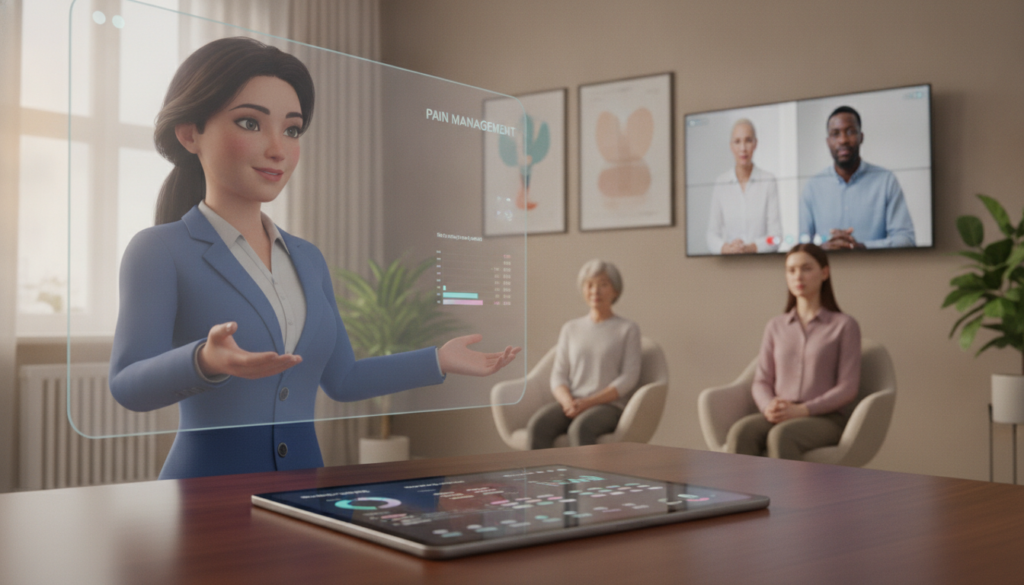
Virtual nurses can handle triage, follow-ups, education, and escalation. Remote medical assistants can manage intake, records, forms, and routine messages. Care coordinators link patients with providers, appointments, referrals, and follow-up tasks.
These services support chronic disease management for nearly 100 million Americans. Chronic conditions account for about 75% of medical spending, so reminders, symptom checks, and care-plan updates can protect clinical time.
Scaling Patient Access Across Care Platforms
McKinsey estimates that $250 billion in U.S. healthcare spending could move to digital care. With the right solutions, providers can reach more people without building new facilities. Patients may also save travel costs and work time.
Learn more about expanding workforce capacity or explore medical assistant support.
| Role | Primary task | Patient benefit |
|---|---|---|
| Virtual nurse | Triage and education | Faster guidance |
| Medical assistant | Intake and records | Smoother visits |
| Care coordinator | Referrals and follow-up | Better continuity |
Technology, Data, and Systems Driving Remote Healthcare Delivery
Smart digital tools now connect patients, clinicians, and health systems across one coordinated care model. With the right strategy, you can use these systems to improve access, organize information, and support timely decisions without adding unnecessary complexity.
Telehealth Platforms and Remote Patient Monitoring Tools
Video platforms, secure messages, electronic medical records, and remote monitoring support modern telehealth services. Smartwatches can track blood pressure, oxygen levels, heart rate, sleep, breathing rate, and wrist temperature. Implantable pacemakers may also send real-time readings to healthcare professionals, helping them spot changes sooner.
Evernorth Health Services is developing a digital front door that connects primary, specialty, behavioral, and pharmacy care. This model gives patients a simpler path through multiple services and creates useful insights for care teams. You can also review telehealth front desk services to strengthen daily patient communication.
Protecting Patient Data and Supporting Secure Workflows
Security must guide every technology choice. Permissioned blockchain systems can support controlled access, encryption, audit trails, smart contracts, and approved transactions. These safeguards help protect sensitive patient data while giving healthcare teams reliable insights for safer care.
- Limit access by role and need.
- Track activity across connected systems.
- Review tools for compliance and usability.
Operational Benefits for Providers, Patients, and Health Systems
Better workflows can improve daily healthcare operations without placing more pressure on your team. Remote support helps organizations manage routine tasks while protecting time for direct care and stronger service delivery.

Reducing Administrative Work and Provider Burnout
Remote specialists can handle scheduling, intake, records, billing checks, and follow-up messages. Accurate work also matters because providers may wait 60 to 90 days for payment after a visit. Clear financial communication is vital when Jeff Lin of J.P. Morgan reports that 40% of consumers cannot pay a bill over $400.
“67% considered video or telephone visits as good as or better than in-person care.”
Improving Patient Experience, Response Times, and Care Continuity
When patients receive quick answers, they spend less time waiting or traveling. Telehealth can reduce travel costs, missed work, and strain on physical healthcare sites. Coordinated referrals and steady outreach also improve access and continuity. These solutions give providers useful insights, support quality care, and help consumers use telehealth with confidence. Review this research on patient experience for added context.
Challenges Shaping the Future of Virtual Staffing in Healthcare
Remote delivery brings new demands for healthcare leaders. Interstate licenses, reimbursement rules, prescribing limits, and privacy laws can vary by state. Before March 2020, these barriers often slowed telehealth programs and complicated staffing models.
Licensure, Compliance, and Data Security Requirements
Your organization needs clear policy for cross-state care, secure platforms, and patient data. Access permissions, activity monitoring, incident response, and staff accountability protect patients and support trusted services. Review telehealth staffing solutions with compliance needs in mind.
Digital Access, Workforce Training, and Quality Control
Rural areas and lower-income households may lack reliable broadband or suitable devices. Patients with disabilities and marginalized communities may also need navigation help. An equitable model offers alternate channels and simple tools.
Future teams need training in remote communication, clinical escalation, documentation, technology use, and quality checks. Hospitals can use supervision, audits, and measurable standards to improve care. A virtual check-in system can also support consistent access across locations.
Get Twenty-Four-Seven Support for Your Telehealth Services
Reliable help matters when patient needs change by the hour. Total Medical Solution gives your healthcare organization a clear way to reach trained support for daily tasks, urgent questions, and remote workflows.
Support is available 24 hours a day, 7 days a week. This schedule helps organizations serve patients across time zones while keeping access and response times consistent.
Call or Text: (352) 516-3972
Call Total Medical Solution when you need dependable staffing support. Consumers, providers, and operations teams may also text the same number to discuss telehealth solutions, service needs, or current capacity.
Email: info@totalmedicalsolution.com
Email info@totalmedicalsolution.com with questions about remote workflows, data handling, availability, or staffing strategy. You can also discuss patient access goals, team gaps, and your preferred support model.
- Review options for your current healthcare operations.
- Ask about onboarding a medical assistant.
- Choose solutions that fit your provider and company needs.
Start the conversation today and build a steadier path for patient care.
Conclusion
Telehealth now holds a lasting place in U.S. healthcare. Claims reached about 5% by late 2021, showing how quickly the industry changed over recent years. Your hospitals and health systems can respond without adding equal full-time headcount.
The strongest staffing model joins trained remote professionals, secure systems, reliable data practices, and clear escalation rules. A smooth check-in process can also improve the patient experience. Explore this guide to virtual patient check-in for practical steps.
The future brings a clear challenge: rural access, licenses, cybersecurity, quality measures, and workforce training across service areas. Hospitals and health systems need a steady way to review results and refine care.
With disciplined operations and 24/7 support, you can build a flexible system that serves more people with confidence.