Medical practices spend $13.27 per patient interaction on admin tasks. This is before any diagnosis or treatment plan. Your team spends hours on billing, coding, and paperwork, not on patient care.
Handling admin tasks in-house is costly. You face staffing issues, complex rules, and high costs. Your main goal—giving great patient care—is overshadowed by paperwork and calls.
Healthcare operations outsourcing can change the game. Working with experts lets you focus on what’s important. But, which tasks should you outsource first?
The right choice varies. It depends on your current problems, budget, and goals. This guide helps you figure out which back office BPO healthcare solutions work best for you.
Key Takeaways
- Admin costs take up a big part of medical budgets, often more than patient care
- Handling non-clinical tasks in-house takes away from patient care
- Outsourcing to experts can greatly improve efficiency and cut costs
- The best approach depends on your practice’s specific needs and goals
- Choosing the right tasks to outsource can boost profits and productivity
- Knowing about BPO options helps you make choices that match your goals
Understanding Healthcare Back Office Outsourcing
Healthcare places a big burden on managing non-clinical tasks. This is because of new rules and higher patient expectations. Outsourcing can help you handle these challenges well.
This method lets you focus on patient care while experts handle the rest. You don’t have to hire and train for every task. It’s about knowing the benefits and how it works for your practice.
What Healthcare Back Office Outsourcing Means
Outsourcing means giving non-clinical tasks to experts outside your team. These experts know a lot about healthcare operations. You can focus on patient care without worrying about the details.
As rules get more complex, this strategy becomes more important. Your team might struggle to keep up with new rules and standards. Outsourcing partners focus on these areas all the time.
It’s hard to find the right people for back-office jobs in the US. Outsourcing helps by providing trained teams. This is true no matter where you are.
This is great when your practice grows or changes. You can adjust your team without the hassle of hiring or firing. It helps you avoid the costs of keeping a fixed team size.
Key Advantages of Outsourcing
One big plus is saving money. Outsourcing lets you pay for services as needed. This means you save on hiring, training, and other costs for back-office jobs.
Getting help from experts makes things more accurate and efficient. They focus on things like billing and coding. This means fewer mistakes and less chance of problems with rules.
The main benefits are:
- Lower costs with flexible pricing
- Better accuracy in billing and coding
- Keeping up with changing rules
- More time for patient care
- Scaling up or down easily
- Access to new technology without buying it
Your team can focus more on patient care. This makes them happier and patients more satisfied. It helps you create a culture that puts patients first.
Having experts handle rules means you’re less likely to get in trouble. They keep up with HIPAA and other important rules. This protects your practice from big fines.
Addressing Common Concerns
Some worry that outsourcing means losing control. This worry is not true if you set up the right checks. You can decide what to do and how well it’s done, even if someone else does it.
Some think outsourcing means lower quality. But, good outsourcing partners often do better than in-house teams. They have the training and tools that small practices can’t afford.
Many think outsourcing is only for big places. But, small practices can get big benefits too. You get the help of big organizations without the big costs.
| Misconception | Reality | Impact on Your Practice |
|---|---|---|
| Loss of operational control | You define standards and maintain oversight authority | Strategic control with reduced administrative burden |
| Compromised quality | Specialized providers deliver higher accuracy through expertise | Improved outcomes and fewer errors |
| Only for large organizations | Small practices gain proportionally greater benefits | Access to enterprise capabilities at any size |
| Security vulnerabilities | Professional vendors implement advanced security measures | Enhanced data protection and compliance |
Security is a big concern, but it shouldn’t stop you from looking into outsourcing. Good vendors have strong security measures. They get checked regularly and have the right papers to show it.
Choosing the right partner and setting clear rules is key. You should ask for proof of their security and how they handle data. With the right partner, you can enjoy the benefits of outsourcing without risks.
Key Functions in Healthcare Back Office
Behind every patient interaction lies a complex network of back office functions. These keep your healthcare practice running smoothly. Understanding these core functions helps you see where resources are used most. This can help you decide which areas to outsource to back office BPO healthcare solutions.
Your back office operations fall into three main categories. Each category needs specialized knowledge, dedicated staff, and ongoing attention to rules. By seeing how these functions work together, you can make better decisions about improving your operations.
Administrative Services
Your administrative team handles non-clinical tasks that keep your practice running every day. Patient registration is the first step in your revenue cycle. It collects demographic information, insurance details, and consent forms.
Appointment management is another key function. It directly affects patient satisfaction and how well your practice runs. Your staff coordinates schedules, sends reminders, manages cancellations, and optimizes provider availability. Efficient scheduling maximizes your capacity while minimizing wait times and downtime.
Insurance verification confirms coverage, obtains pre-authorizations, and identifies patient financial responsibilities before services are rendered. This approach prevents claim denials and reduces billing disputes. Document management and records maintenance ensure information flows correctly between departments while meeting retention requirements.
Your administrative services also include correspondence handling, answering patient inquiries, processing referrals, and supporting human resources functions. These tasks demand attention to detail and consistent quality but often pull staff away from higher-value activities.
Billing and Coding
The financial backbone of your practice depends on accurate billing and coding. Charge capture ensures that every billable service is documented and submitted for payment. This prevents revenue leakage that can significantly impact your bottom line.
Medical coding specialists translate clinical documentation into standardized ICD-10 diagnosis codes and CPT procedure codes. This technical work requires extensive training and ongoing education to keep pace with annual code updates and payer-specific requirements. Coding accuracy directly affects claim acceptance rates and compliance with billing regulations.
Claims submission involves preparing and transmitting billing information to insurance payers through electronic or paper formats. Your team must follow specific formatting requirements, include supporting documentation, and track submission status. Payment posting reconciles received payments against expected reimbursements and identifies discrepancies that require follow-up.
Accounts receivable management tracks outstanding claims and initiates collection activities for overdue accounts. Denial management addresses rejected claims by identifying root causes, correcting errors, and resubmitting appeals. Patient billing communicates financial responsibilities clearly and establishes payment arrangements when necessary.
These revenue cycle functions require specialized expertise that makes them prime candidates for back office BPO healthcare partnerships. Outsourcing to dedicated billing professionals can improve collection rates while freeing your staff to focus on patient care.
IT Services
Your technology infrastructure supports every aspect of your healthcare operations. Electronic health records (EHR) management forms the centerpiece of your digital ecosystem. Reliable EHR performance is essential for maintaining care quality and operational efficiency.
System maintenance and updates keep your software applications current with security patches, feature enhancements, and regulatory requirements. Your IT team must balance system stability with the need for continuous improvement. Data backup and recovery procedures protect your organization against information loss from hardware failures, cyberattacks, or natural disasters.
Cybersecurity measures defend your sensitive patient information and operational systems against evolving threats. Your IT services must implement firewalls, encryption, access controls, and monitoring tools that comply with HIPAA security requirements. Help desk support provides technical assistance to staff members experiencing system issues or requiring training.
Technology integration connects your various software platforms to enable seamless information exchange between billing systems, clinical applications, and reporting tools. Many healthcare organizations find that outsourcing IT services provides enterprise-level capabilities without the expense of maintaining a full in-house technology department.
| Function Category | Key Responsibilities | Required Expertise | Outsourcing Suitability |
|---|---|---|---|
| Administrative Services | Patient registration, scheduling, insurance verification, document management, correspondence | Healthcare operations knowledge, customer service skills, attention to detail | High – routine processes with clear protocols |
| Billing and Coding | Charge capture, medical coding, claims submission, payment posting, denial management | Certified coders, billing specialists, knowledge of payer requirements | Very High – specialized skills, complex regulations, direct revenue impact |
| IT Services | EHR management, system maintenance, data security, help desk support, integration | Technical certifications, cybersecurity expertise, healthcare IT experience | Moderate to High – depends on organization size and complexity |
| Resource Intensity | Moderate staff requirements, training needs vary by complexity | High – continuous education required for regulatory compliance | High – specialized talent difficult to recruit and retain |
This detailed look at your back office functions helps you categorize operations and identify challenges or resource-intensive areas. By understanding these core categories, you can evaluate which functions might benefit most from strategic outsourcing partnerships.
Assessing Your Current Operations
Your clinic’s unique problems show what tasks to outsource for the best results. A detailed look at your back-office operations finds where issues are and which tasks to outsource. This process turns guesses into solid data for making decisions.
Start by getting feedback from many parts of your organization. Front-line staff often spot problems that managers miss. Financial reports show where costs are high, pointing to inefficiencies.
Patient feedback also helps, showing where service can be improved. This helps you fix real problems, not just symptoms.
Recognizing Operational Warning Signs
Problems in back-office operations often come back again and again. High error rates in billing or coding mean your team lacks the skills or time. Excessive claim denials cost money and make staff work extra hours.
Delayed payments hurt your cash flow and create uncertainty. These issues get worse over time, needing big changes to fix.
Patient complaints about scheduling or billing harm your reputation. They also make patients go to competitors. Staff burnout or high turnover in administrative positions shows workload issues that hiring alone can’t solve. Not keeping up with rules puts your practice at risk.

Bottlenecks slow down your work. Document these problems with specific numbers. Track claim denial rates, payment times, scheduling errors, and overtime hours.
These numbers show how outsourcing improves things. They also help you decide which problems to fix first, based on cost.
Make a list of your biggest problems. Rate each one by how bad it is and how often it happens. Quantifiable data strengthens your business case for outsourcing to those who need proof.
Examining Your Team’s Bandwidth and Skills
Really look at your team’s capacity to handle back-office tasks. Look at how work is spread out among your team. Some might be too busy, while others have too much free time.
Find areas where work quality suffers because staff are too busy. Mistakes in billing cost money. Receptionists with too many calls give poor service, hurting patient satisfaction.
Skill gaps are different from just not having enough time. Your team might have enough hours but lack the right skills. Training existing staff takes time and money, and you risk losing them after investing.
See if your team is doing tasks that take away from more important work. Nurses handling calls can’t care for patients. Office managers stuck on software issues can’t plan strategically.
Think about the value of your team’s time. Consider if hiring more staff is realistic with your budget and local job market. Finding skilled administrative staff, like medical coders, is hard.
Deciding what to outsource depends on which skills are hard to keep in-house. Where you are affects your hiring pool and how much you can pay. Remote work makes finding administrative talent harder everywhere.
Calculating True Operational Costs
The real cost of doing things in-house goes beyond just salaries. Comprehensive cost analysis includes labor costs, benefits, taxes, training, tech, space, and equipment. These add up to the total cost of each back-office task.
Benefits add 30-40% to salary costs. Training new staff costs thousands, including lost productivity. Tech costs include upfront buys and ongoing fees.
Space costs money, whether rented or owned. The time spent on admin tasks takes away from patient care. This is another hidden cost.
| Cost Category | In-House Annual Cost | Outsourced Annual Cost | Potential Savings |
|---|---|---|---|
| Direct Labor & Benefits | $85,000 | $45,000 | $40,000 |
| Technology & Software | $12,000 | $3,000 | $9,000 |
| Training & Development | $8,500 | $0 | $8,500 |
| Office Space & Equipment | $6,000 | $0 | $6,000 |
| Management Oversight | $15,000 | $4,000 | $11,000 |
Use ROI analysis to see how outsourcing can save money. Calculate payback by dividing initial costs by monthly savings. Most see benefits in 6-12 months for billing.
Consider quality improvements too. Fewer claim denials mean more money. Faster payments improve cash flow, reducing the need for loans.
Better scheduling means happier patients, keeping them coming back. These benefits are harder to measure but add to ROI.
Building a strong case for outsourcing needs solid data. Compare your current numbers to industry standards. Be conservative in your estimates to keep credibility.
This detailed look helps make smart outsourcing choices. You’ll know which tasks can be improved with outside help.
Functions You Should Consider Outsourcing First
Not all back-office tasks are good for outsourcing. Picking the right one is key to success. You should start with tasks that need special skills and help your business grow.
Choose tasks where outside experts can quickly add value. This way, you avoid risks and see clear benefits right away.
Medical Billing
Medical billing is a top choice for outsourcing. It’s complex and needs special knowledge. Your team might find it hard to keep up with all the rules and codes.
Experts in revenue cycle management can speed up payments and lower denials. They know all about billing codes and payer rules. Billing companies get paid based on what they collect, so they work hard to help you.
Working with a good billing service can quickly improve your cash flow. They have systems for sending claims and following up that your team might not have time for.
Healthcare groups that outsource billing see a 15-20% boost in collections and a 30% drop in unpaid bills.
Appointment Scheduling
Your front desk does a lot, and scheduling can get overlooked. Outsourcing this can make it easier for patients to get in and cut down on no-shows. Scheduling services work extra hours to fit in patients who can’t call during the day.
They use advanced reminder systems to make sure patients remember their appointments. This lets your team focus on helping patients when they arrive. Scheduling services also handle a lot of calls without making patients wait.
This makes patients happier and keeps them from going to other doctors if they can’t get through to you.
Patient Support Services
Patient support includes many tasks like answering questions and handling insurance. Outsourcing these can make patients happier and free up your staff. It’s a big help during busy times.
Outsourcing after-hours support is a big plus. It’s hard and expensive to keep someone on duty all the time. External teams can handle calls and emergencies, making sure patients always get help.
Patients get the same quality service no matter when they call. Your team can focus on caring for patients instead of answering questions.
Compliance and Risk Management
Outsourcing compliance helps you keep up with tough rules. HIPAA, OSHA, and quality reporting are just a few areas that need special attention. It’s hard for many practices to keep up.
Compliance experts help you avoid big fines and keep your standards high. They check your policies, train staff, and spot problems before they get big. This keeps your practice safe and in good standing.
Risk management teams also watch for problems and help fix them. They bring experience from many places, helping you see risks you might miss.
| Function | Primary Benefit | Timeline to Results | Cost Structure |
|---|---|---|---|
| Medical Billing | Increased revenue and faster collections | 2-3 months | Percentage of collections |
| Appointment Scheduling | Improved patient access and reduced no-shows | 1-2 months | Per-call or flat monthly fee |
| Patient Support | Enhanced patient satisfaction and reduced staff burden | 1 month | Per-interaction or subscription |
| Compliance Management | Risk mitigation and regulatory adherence | 3-6 months | Retainer or project-based |
These four areas are the best places to start outsourcing. They improve your business and need special skills. Starting here helps you see the benefits of outsourcing before you do more.
Choosing the Right Outsourcing Partner
Choosing a back office BPO healthcare partner is a big decision. They handle patient info, represent your practice, and affect your revenue. A good evaluation process helps avoid mistakes and ensures success.
Think of this choice like hiring a key team member. Your back office BPO healthcare partner is part of your team. Their work impacts your profits and patient happiness.
Essential Standards for Vendor Evaluation
Look at the vendor’s technical skills and if they fit your practice. Check if they have experience in your healthcare area. A company good at hospital billing might not know specialty practice management.
Check their past work with similar practices. Ask for references from practices facing similar challenges. Talking to current clients gives insights marketing can’t.
Examine their technology platforms closely. They must work well with your current systems. Poor integration can cause data problems and slow things down.
Location and service hours are important. Make sure they work when you do and can handle urgent issues. Time zone differences can cause communication problems.
Talk about pricing clearly. Know how they charge and what the contract says. It should cover what they do, how to end the contract, and who owns your data.
Check if they’re financially stable. Ask for financial statements and a plan for keeping services running. A back office BPO healthcare provider in trouble might cut corners or stop working.
| Evaluation Factor | Key Questions to Ask | Red Flags to Watch For |
|---|---|---|
| Healthcare Experience | How many years have you served my specialty? What percentage of your clients match my practice size? | Vague answers about experience, inability to provide specialty-specific references, no case studies in your area |
| Technology Capabilities | Which EHR systems do you integrate with? What is your average implementation timeline? | Limited integration options, proprietary systems that create vendor lock-in, no data migration support |
| Service Delivery Model | What are your service hours? How quickly do you respond to urgent issues? Who will be my primary contact? | Offshore-only operations with poor English skills, no dedicated account manager, slow response times |
| Financial Strength | Can you provide financial references? What is your client retention rate? Do you have business continuity insurance? | Reluctance to share financial information, high client turnover, no disaster recovery plan |
Why Healthcare Specialization Matters
Healthcare-specific vendors offer more value than general ones. They understand medical terms and clinical workflows. This knowledge is key for accurate billing.
Insurance rules change often and vary by payer. A specialized back office BPO healthcare provider keeps up with these changes. General vendors don’t have this knowledge.
Healthcare has unique rules that general vendors might not get. Your partner must know HIPAA and other laws. Breaking these rules can cost a lot and harm your reputation.
Look for healthcare-specific certifications. Certifications like CPC or CRCR show real expertise. They mean the vendor knows their stuff.
Being part of healthcare groups shows a vendor’s commitment. Members of groups like the Healthcare Business Management Association follow high standards. They keep learning and follow best practices.
Establishing Clear Performance Expectations
Set clear goals before signing a contract. Vague promises are not helpful. Your agreement should have specific goals and what happens if they’re not met.
For billing, look at first-pass claim acceptance rates. Rates above 95% are good. Lower rates mean errors or missing info.
Call centers need different metrics. Look at how fast they answer and how often calls are dropped. Aim for quick answers and few dropped calls.
Coding accuracy is key for money and rules. Your agreement should promise high accuracy rates. Regular checks make sure they keep up.
Make sure your agreement has ways to enforce goals. Consider penalties for missing targets and bonuses for doing well. This makes the vendor work towards your goals.
Get regular reports on how the vendor is doing. You should get detailed reports every month. Quarterly meetings help discuss progress and make things better.
Compliance and Regulatory Considerations
When you outsource healthcare operations, you don’t get out of following rules. Your team is always responsible for keeping patient info safe and following laws. Knowing these rules helps you pick the right partners for your patients and your business.
Healthcare rules are strict and need careful watching. Make sure your outsourcing partner meets your high standards.
Understanding HIPAA Requirements
HIPAA rules are key to keeping patient info safe in outsourcing. You must sign a Business Associate Agreement with any vendor who sees patient data. This agreement makes sure your partner follows strict privacy rules.
The BAA should explain how your vendor will protect patient data. It should talk about encryption, access controls, and how data is stored. It also needs to say how your partner will tell you about data breaches and fix them.
Security steps your partner must take include:
- End-to-end encryption for data transmission and storage
- Multi-factor authentication for system access
- Comprehensive audit trails of all data interactions
- Regular vulnerability assessments and penetration testing
- Documented incident response and disaster recovery plans
Do your homework before signing any contract. Ask for proof of your vendor’s security certifications and audits. Also, ask for evidence of their HIPAA training and tests.
Your vendor must always check their security setup. Regular checks help fight off new cyber threats. You can ask to see how your partner keeps data safe at any time.
Meeting Billing Compliance Standards
Billing rules are more than just coding right. They include many federal laws. Your partner must know and follow these laws to avoid big fines and losing government contracts.
The Stark Law and Anti-Kickback Statute control money deals in healthcare. Your vendor must have rules against bad referrals and money deals. These rules apply even if you outsource billing.
Each insurance company and government program has its own billing rules. Your partner should keep up with these rules. They need to know about:
- Medicare and Medicaid billing rules and Local Coverage Determinations
- Commercial insurance policies and prior authorization rules
- Medical necessity and coverage documentation standards
- Deadlines for filing claims and appeal procedures
- Modifier use and bundling edits
Your vendor must have a strong compliance program. They should have a compliance officer and clear policies for fixing billing mistakes fast.
Regular audits are key to finding and fixing problems before they become big issues. Your vendor should check their work often. Keeping records of these audits shows they’re serious about following rules.
Office of Inspector General guidelines help make a good compliance program. Your partner should follow these seven key points:
| Compliance Element | Vendor Requirement | Your Oversight Action |
|---|---|---|
| Written Standards | Documented policies and procedures | Annual review of compliance manual |
| Compliance Officer | Dedicated leadership position | Quarterly meetings with officer |
| Training Programs | Regular staff education and testing | Review training completion rates |
| Communication Lines | Anonymous reporting mechanisms | Monitor reported issues and resolutions |
Implementing Effective Staff Training and Oversight
You’re always in charge, even when you outsource. You need to be active, not just trusting. Having clear rules for checking on your vendor keeps you safe from problems.
Your team should learn about vendor management and watching for compliance. They should know what to look for in reports and when to ask for help. Make sure you have steps for checking on your vendor every month.
Getting regular reports helps you stay in the loop. Ask for details on claim denial rates, coding accuracy, and patient happiness. Your vendor should be open about their daily work.
Do audits to check if your partner is doing what they promised. Do both planned and surprise audits to see how they really do. Check some of their work to make sure it’s good and follows the rules.
Keep talking to your vendor all the time. Have meetings often to talk about any issues or trends. This helps catch problems early.
Deal with any compliance worries right away. Your contract should say how to fix problems and when. Keep records of all issues and how they were solved.
Watch how your vendor trains their staff. Make sure they all get the right training on following rules. Check that their training covers the latest rules and your specific needs.
Seeing your vendor as part of your team is key to success. You should expect the same from them as you would from your own team. This keeps following rules a top priority in your partnership.
Technology and Tools for Back Office Operations
Technology is key to linking your healthcare group with back office BPO healthcare providers. The right tech ensures smooth operations and keeps patient info safe. It also keeps data accurate across all systems.
Choosing the right tech affects service quality and how well things run. Modern tools help teams work together in real-time. They also make sure data is shared safely and reports are detailed.
Software Solutions
Back office BPO healthcare providers use special software for healthcare admin. This includes practice management systems for scheduling and tracking patient info. Revenue cycle management software handles billing and claims from start to finish.
Electronic health records interfaces let providers access patient data safely. Customer relationship management tools help with patient communication. Real-time reporting dashboards show important performance and status info.
Communication tools help teams work together, no matter where they are. Cloud-based solutions are great for this. They let users access systems from anywhere and keep data in sync.
The best partners use current, reputable software instead of old systems. Modern software is better at integrating, is more secure, and gets updates regularly. When looking at vendors, ask about their tech and update plans.
Revenue cycle management platforms are key for your finances. They need to track and analyze denials well. Your partner should use tools that spot denial patterns and help improve appeals.
Data Security Measures
Security is top when picking back office BPO healthcare tech. You need strong technical safeguards for patient data. These go beyond just passwords.
End-to-end encryption keeps data safe in transit and at rest. Multi-factor authentication adds extra security. Role-based access controls limit who sees what.
Regular security checks and penetration tests find and fix vulnerabilities. Intrusion detection systems watch for suspicious activity. Secure data centers keep servers and storage safe.
Good backup and disaster recovery plans protect against data loss. Your partner should keep backups in different places. Recovery times should fit your practice’s needs.
Look for industry-standard certifications to show a vendor’s security commitment. These audits validate security practices:
| Certification | Focus Area | Validation Process | Industry Recognition |
|---|---|---|---|
| HITRUST CSF | Healthcare-specific security framework covering HIPAA requirements | Annual assessment by certified auditors | Gold standard for healthcare data protection |
| SOC 2 Type II | Security, availability, processing integrity, confidentiality, privacy | Continuous monitoring over 6-12 months | Widely recognized for service organizations |
| ISO 27001 | Information security management systems | Comprehensive audit of policies and procedures | International standard across industries |
| PCI DSS | Payment card data security | Annual assessment and quarterly scans | Required for credit card processing |
These certifications show a vendor’s serious commitment to data safety. Ask for recent audit reports and certification documents when evaluating.
Integration with Existing Systems
Connecting with outsourcing partners requires careful planning. Seamless integration avoids duplicate work, reduces errors, and keeps info consistent. Your partner should offer various connection methods to fit your setup.
Direct API connections are the best for real-time data exchange. HL7 interfaces are designed for healthcare and standardize communication. Secure file transfer protocols and web portals are good alternatives when direct connections aren’t possible.
Make sure your EHR system is compatible with your partner’s tech. Ask about their experience with your EHR and get references from other clients.
Practice management software integration keeps schedules and billing info in sync. Other apps like lab systems and e-prescription tools may also need connections. Make a list of your current tech before talking to vendors.
Integration should not disrupt your daily work. Well-planned implementations have clear timelines and milestones. Your partner should provide technical support during setup and ongoing help for any issues.
Testing ensures data flows correctly before going live. Set up checks to confirm data accuracy across platforms. Plan for a transition period to catch any issues.
Think about long-term maintenance needs when choosing a partner. Software updates and security patches happen regularly. Your vendor should have clear plans for these without disrupting service or data safety.
Cost Analysis of Outsourcing
When deciding what to outsource clinic operations, look beyond the initial cost. A detailed cost analysis helps you make smart choices. It protects your budget while improving how things get done.
This careful look at finances ensures you get the most value for your money. You’ll know which outsourcing choices are best for you.
Calculating Upfront Expenses and Future Returns
Your first investment in outsourcing includes several costs. Vendor selection and contracting can cost $2,000 to $10,000. This covers legal work and negotiations.
Implementation fees are for setting up systems and moving data. These costs can range from $5,000 to $25,000.
Integration costs are another big upfront expense. They cover connecting outsourced services with your systems. This can cost $5,000 to $25,000, depending on how complex it is.
Training your staff on new processes is key. They need to know how to work with the outsourced partners. Budget $1,000 to $5,000 for this training.
Temporary productivity dips during the transition are important to consider. Most practices see a 10-20% drop in efficiency for 30-60 days.
Long-term savings make up for these initial costs. Reduced staffing costs are a big savings area. Practices can cut overhead by 30-50% for outsourced functions.
Lower error rates mean more money for your practice. Outsourcing partners usually have 95-98% accuracy. This is better than in-house teams.
Improved collection rates also boost your revenue. Billing partners can increase collections by 5-15%. They do this through better follow-up and knowing payer rules.
Technology investments decrease as vendors provide what you need. This saves you money.
| Cost Category | Initial Investment | Annual Savings | Payback Period |
|---|---|---|---|
| Medical Billing Outsourcing | $15,000 – $30,000 | $40,000 – $80,000 | 3-9 months |
| Appointment Scheduling | $5,000 – $12,000 | $25,000 – $45,000 | 2-6 months |
| IT Services | $10,000 – $20,000 | $30,000 – $60,000 | 4-8 months |
| Patient Support Services | $8,000 – $15,000 | $20,000 – $40,000 | 4-7 months |
Plan your finances for at least three years. Most outsourcing deals pay off in 6-12 months. Savings grow in years two and three.
Uncovering Less Obvious Expenses
Hidden costs can affect your total cost of ownership. Contract termination fees protect vendors but can trap you. These fees are one to six months of service costs.
Ask vendors about termination clauses before signing. Knowing how to exit can save you money if things don’t work out.
Managing vendors takes time and staff. Budget 5-10 hours weekly for this. This is $15,000 to $30,000 a year in staff time.
Customization fees cover special needs beyond standard services. Your unique needs may cost extra. Ask for detailed pricing for any custom work.
Price increases after the initial contract are another hidden cost. Many vendors offer low rates at first that go up 10-25% at renewal. Look at multi-year pricing and negotiate rate increases.
Opportunity costs happen when vendors don’t meet expectations. If your partner underperforms, you lose money and benefits. This can set you back a lot.
Key questions to find hidden costs include:
- What circumstances trigger extra fees?
- How much notice is needed to end service?
- What guarantees do you offer on performance?
- How do you handle changes in pricing?
- What support is included versus extra?
Creating Realistic Financial Plans
Plan your budget for what to outsource clinic initiatives carefully. Start by identifying which back-office operations are most painful or offer the most benefits.
How you pay for services affects your cash flow and total costs. Percentage-of-collections models tie fees to performance, usually 4-8% of collected revenue. This aligns incentives but can be expensive as collections grow.
Per-transaction fees charge a set amount for each service. This predictable pricing works well for steady volumes. Rates are $2 to $8 per transaction, depending on complexity.
Flat monthly fees offer predictable budgets, even with volume changes. This is good for high-volume practices but might not be the best for smaller ones. Monthly fees range from $3,000 to $15,000, based on services.
Contingency reserves protect against unexpected costs during setup and operation. Keep 10-15% of your budget for unexpected needs, training, or performance gaps.
Align outsourcing with your financial goals. If you’re expanding, focus on scalable functions. If you want to improve profits, target areas where efficiency gains make a big difference.
Present outsourcing plans to stakeholders by showing the financial benefits. Use this framework:
- Current state analysis showing costs and performance
- Projected improvements with specific, measurable outcomes
- Detailed cost breakdown including hidden expenses
- Payback period calculation with conservative assumptions
- Risk mitigation strategies addressing possible challenges
Your detailed cost analysis helps you make smart outsourcing choices. This approach improves your bottom line. It prepares your practice for growth and excellence.
Measuring Success After Outsourcing
Starting healthcare operations outsourcing is just the beginning. You need to track results and show value. Many think choosing a vendor is the end. But it’s really the start of a long-term partnership that needs constant checking.
Without good ways to measure, you can’t see if your investment works. You need real data to check if your vendor is doing well. This data helps you decide if you should keep working with them.
Good measurement makes both sides of the partnership accountable. Your vendor knows what you expect. And you can make smart choices about your outsourcing strategy.
Key Performance Indicators
Setting up specific metrics helps measure how well your vendor does. These metrics turn vague hopes into clear goals. They help improve and keep everyone accountable.
For billing, watch days in accounts receivable and first-pass claim acceptance rates. These show how fast claims are processed and how accurate they are.
Collection rates and denial rates are also key. They show how well you turn services into money. And how often claims are denied.

For scheduling, focus on patient access and happiness. Look at appointment fill rates and no-show percentages. These show how well you use your provider’s time and how many patients show up.
Average hold times and call abandonment rates affect patient happiness. Patient satisfaction scores give feedback on the scheduling process.
For patient support, track how fast you respond and how well you solve problems. Patient complaint rates warn you of service quality issues.
“What gets measured gets managed, and what gets managed gets improved. In healthcare outsourcing, clear metrics turn vendor relationships into real partnerships.”
Start by measuring before you outsource, then track changes. This shows the value of your investment with real numbers, not just stories.
Use dashboards to quickly see how your vendor is doing. These tools help spot trends and problems early. They make it easy to see what needs work during busy times.
| Outsourced Function | Primary Metrics | Target Performance | Review Frequency |
|---|---|---|---|
| Medical Billing | Days in A/R, Collection Rate, Denial Rate | Under 40 days, Above 95%, Below 5% | Monthly |
| Appointment Scheduling | Fill Rate, No-Show Rate, Hold Time | Above 85%, Below 10%, Under 2 minutes | Weekly |
| Patient Support | Response Time, Resolution Rate, Satisfaction Score | Under 24 hours, Above 90%, Above 4.5/5 | Bi-weekly |
| Compliance Management | Audit Pass Rate, Training Completion, Incident Reports | 100%, 100%, Zero critical incidents | Quarterly |
Regular Assessment and Feedback
Managing your vendor is key to success. Don’t just set it and forget it. Your partnership needs regular attention to keep up standards and solve new problems.
Do regular reviews, like monthly or quarterly. These meetings let you talk about how things are going and fix problems. Recognizing good work motivates your vendor team.
Make sure your staff can share issues and ideas with your vendor. They often spot problems before they show up in official numbers. This helps stop small issues from getting big.
Keeping open lines of communication makes your vendor a true partner. This teamwork encourages solving problems and finding new ways to do things. Your vendor will want you to succeed more than just meet their contract.
Keep records of feedback sessions. This shows progress over time. It’s useful when you’re talking about renewing contracts.
Regular checks help you catch problems early. Sometimes, vendors start strong but then get sloppy. Watching them closely stops things from getting bad.
Adapting Strategies for Improvement
Using data to improve your outsourcing is a game-changer. It turns a static relationship into a dynamic partnership. The insights you get should guide your decisions about outsourcing.
Expand outsourcing when pilot programs show success. If your vendor does well in one area, they might do great in others too. This can make things even better for you.
Renegotiating contracts can make things better. As you learn more, you might find your current deal isn’t the best. Performance-based pricing can motivate your vendor to do better.
When things aren’t working, make a plan to fix it. This plan should have clear goals, timelines, and what happens if things don’t get better. This gives your vendor a chance to improve before you look for someone else.
Changing vendors is sometimes necessary. It might disrupt things for a bit, but a bad relationship costs more in the long run.
Learn from each outsourcing experience. Each one teaches you something about picking vendors, negotiating contracts, or managing them. Keep these lessons to get better over time.
Do a big review of your outsourcing every year. This helps you see how to make things better overall. You might find ways to make different services work better together.
Compare yourself to others in the industry. Healthcare outsourcing changes fast. What was good a few years ago might not be now.
Keep improving your outsourcing to get more value. The healthcare world is always changing. Your strategy needs to keep up to stay effective.
Future Trends in Healthcare Back Office Outsourcing
The world of back office BPO healthcare is changing fast. New tech and what patients want are changing how medical offices outsource. Knowing these trends helps you pick the right partners for your practice now and later.
Advanced Technologies Reshaping Operations
Automation and AI are changing BPO healthcare services. Robots do tasks like checking if patients are covered and posting payments. They do it very well.
AI can guess if claims will be denied before they’re even sent in. AI chatbots answer simple patient questions without needing a person.
These new tools make things faster and less likely to go wrong. Your next partner should be using these new tools, not old ways.
Remote Work Becomes Standard Practice
Remote work is now common in healthcare back office outsourcing. It lets you find more talent and work 24/7. It also saves money and keeps things running smoothly.
Many companies offer a mix of remote and in-person work. This gives you the best of both worlds.
Patient-Centered Digital Solutions
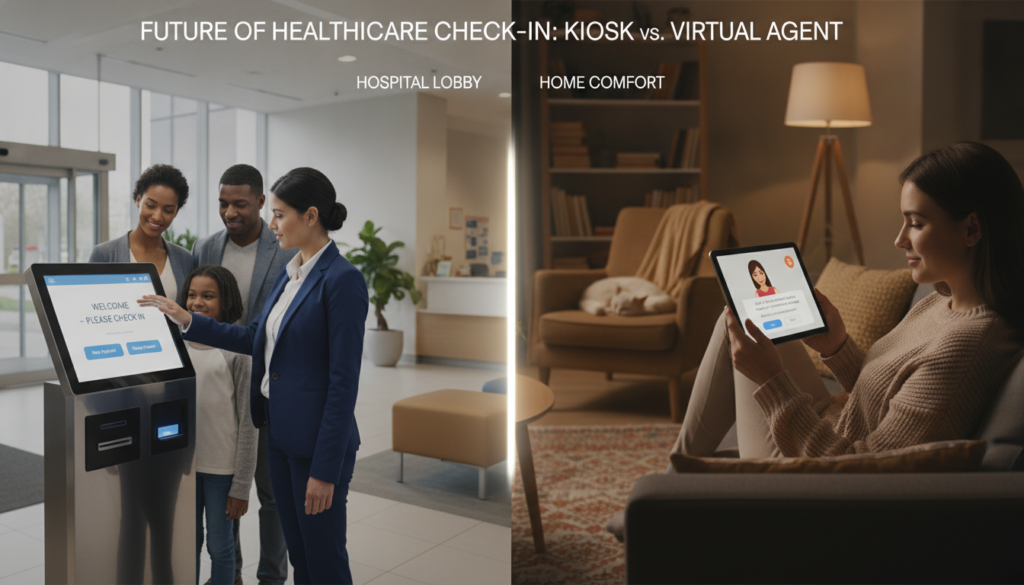
Patient care is getting more digital. Patients expect to pay bills online and talk to doctors by text. Outsourcing partners can help you meet these needs without spending a lot on your own.
These digital tools work well with old back-office tasks. They help make patients happier and more loyal to your practice.