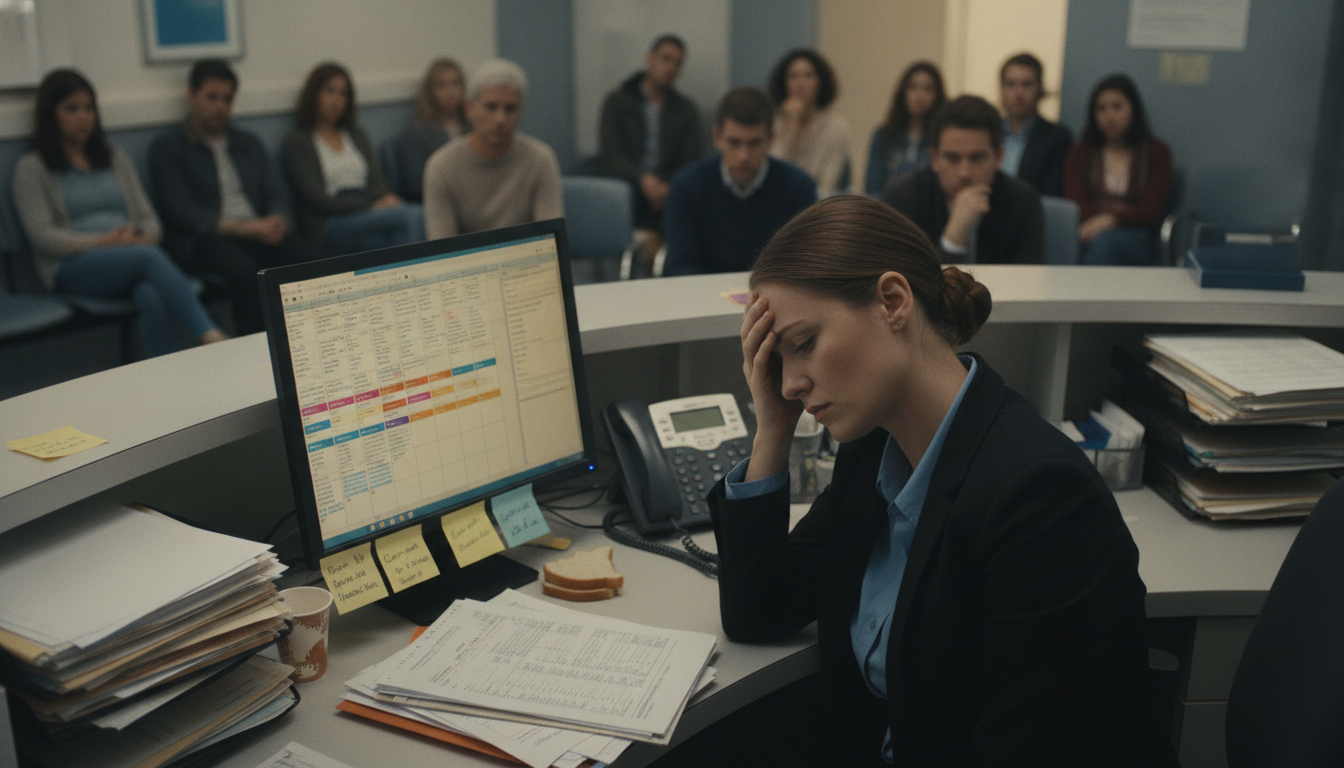
Up to 34% of patients switch providers if phone lines are busy or requests are ignored. This shows that a chaotic front desk can cost you business. It might affect your profits in ways you don’t expect.
Your front desk team is not failing. They’re just overwhelmed. They handle insurance, payments, and greet patients in a busy setting. Burnout can damage trust, lead to mistakes, and make patients look elsewhere for a better experience.
These problems can grow, causing revenue loss and lower staff morale. Looking into front desk performance shows that a team under too much stress keeps callers waiting too long. This first impression can affect how new patients see your practice.
Key Takeaways
- Patient loyalty drops when basic needs are not met right away.
- Burnout in healthcare settings harms revenue and staff retention.
- Short hold times and organized check-ins create positive first impressions.
- Clear roles and processes reduce frontline confusion.
- Proactive steps to address stress can lift morale and keep patients returning.
Understanding Front Desk Overwhelm
Days can get busy when staff deal with lots of calls, papers, and insurance checks. These tasks are more than just saying hello. They can be tough, even for the most hardworking people.
Missing details or rushing through talks can mess up claims. This can cause delays for everyone.
What Is Front Desk Overwhelm?
It happens when there’s too much for staff to handle. Tasks get missed, and patients wait longer. A quick insurance check might mean claims get denied.
Ignoring calls can make patients unhappy. This stress can harm your practice’s good name.
Symptoms of Overwhelm
Burnout can happen when mistakes pile up and staff leave. Workdays become a mess, and one mistake can make patients wait even longer.
Fixing this needs better scheduling, training, and reviews. When staff feel supported, patients notice the difference right away. Making small changes can lead to big improvements.
The Financial Impact of Overwhelm
Your practice’s money suffers when your staff is overwhelmed. Missed calls and forgotten paperwork cut into your earnings. Each missed chance to see a patient hurts your wallet.
Front desk burnout makes things worse, costing more money. Small mistakes add up, making patients feel ignored.
Lost Revenue from Missed Opportunities
Unanswered calls mean patients might go elsewhere. Forgotten insurance checks cause billing problems. These missed chances cost you money.
When you’re busy, these losses can add up fast. Front desk burnout makes things even tougher.
Cost of Patient Turnover
Patients who leave don’t come back easily. Finding new ones takes time and money. Losing staff is costly too.
Training new people drains resources. This cycle of losing patients and staff hurts your profits. It makes your practice unstable and hard to grow.
How Overwhelm Affects Patient Satisfaction
Your front desk is key when visitors first arrive. If your receptionists are too busy, they can’t say hello warmly or answer calls nicely. This makes people doubt your trustworthiness right away.
Long lines and forgotten details, like checking bills, make visitors feel ignored. These problems make patients wait longer and feel less valued.
Delayed Service and Its Effects
Waiting for answers at the front desk can make people stressed. It’s like a ripple effect, affecting the whole visit. Slow service and missed calls show your office is overwhelmed.
This uncertainty can lead to confusion about insurance and billing. It makes the visit less positive.
The Role of Front Desk in First Impressions
A friendly front desk can ease worries and show you care. Quick answers and empathy during paperwork make a good first impression. Having enough staff helps keep things running smoothly.
This improves patient satisfaction and keeps your reputation strong as a reliable healthcare provider.
Identifying Root Causes of Overwhelm
Your front desk might feel like the busiest place in the office. Constant demands often trigger front desk burnout healthcare teams try to avoid. Surges in patient calls leave little room for error.
Staff members juggle billing, scheduling, and triage at once. This forms a bottleneck that leads to mistakes. This environment affects morale and creates unnecessary tension.
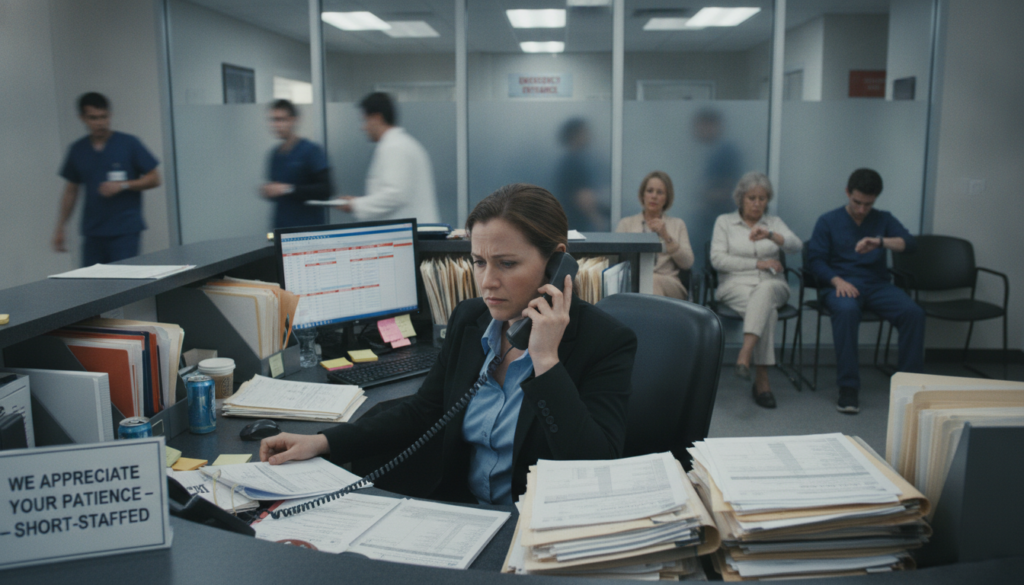
Understanding why these pressure points occur helps you address the core issues before they build up. Reviewing daily workflows and spotting gaps gives you clarity on the changes needed for a calmer, more efficient routine.
High Volume of Calls and Appointments
Every day can bring a high number of inquiries. Patients expect quick responses, yet staff cannot handle every task at once. Many offices see peak call times coinciding with appointment check-ins, forcing your team to multitask beyond capacity.
Adjusting staff shifts and forming clear call triage steps can ease this strain.
Inefficient Processes and Technology
Obsolete systems often slow data entry and scheduling. Software updates or user training might be missing. A modern platform with improved features reduces confusion and supports smoother workflows.
When workflows are streamlined, you decrease front desk burnout healthcare personnel would experience.
| Bottleneck | Potential Impact |
|---|---|
| Manual Scheduling | Errors and Delays |
| Unclear Workflows | Slow Response Times |
Strategies to Reduce Front Desk Overwhelm
Your office can run better with clear methods to handle daily tasks. A well-organized front desk means less wait time for patients. It also means you don’t miss out on chances.
Streamlining Appointment Scheduling
Online booking helps spread out visits, avoiding sudden rushes. Clinics often save time for urgent cases. This keeps regular tasks on schedule.
Some places split tasks between teams. This way, experts handle claims and other back-end work.
Implementing Effective Communication Tools
Phone scripts and chat tools make talking to patients consistent. Quick answers to common questions build trust. Automated messages let staff help those who need personal help.
Training Staff for Efficiency
Regular workshops improve skills and confidence. Employees who can do more than one job are more flexible. This lets you offer better service and keep a happy office.
| Action | Practical Tip | Expected Outcome |
|---|---|---|
| Set Standard Procedures | Create clear guidelines for scheduling and communication | Improved workflow and reduced errors |
| Automate Regular Tasks | Use digital scripts, reminders, and shared calendars | Greater staff focus on patient needs |
The Role of Technology in Alleviating Overwhelm
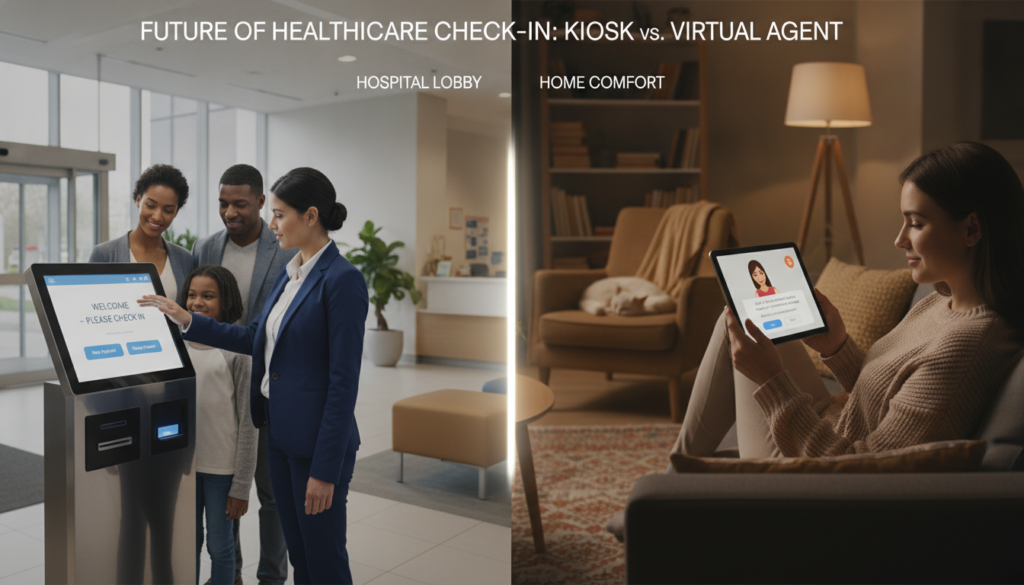
Modern platforms can handle complex tasks easily. AI-driven virtual assistants answer simple patient questions. This cuts down on the constant phone calls your team faces.
Technology helps keep your office welcoming and efficient. It balances work with care, making your team happier.
Technology boosts productivity when used right. It keeps patient info in one place and automates simple tasks. This lets your team focus on real care.
With a smooth workflow, your team feels more united. Your office stands out in the healthcare world.
“Responsible deployment of modern software can transform the everyday challenges of any reception desk.”
Practice Management Software Solutions
Top systems manage appointments, billing, and patient info all in one. This makes tasks flow smoothly and cuts down on data entry. Your team can focus on quality service.
Automated Appointment Reminders
Timely reminders cut down on no-shows. They send messages or calls to patients. This keeps your schedule on track and frees up your team.
The Importance of Staff Support and Wellness
When your front desk employees feel supported, they work better. This means fewer mistakes and happier patients. A happy team makes everyone trust the practice more.
Good staff wellness means a smoother workflow. Happy employees check in patients faster and solve problems quicker. This makes visits better for everyone.
Creating a Positive Work Environment
Listening to staff helps build a strong team. Celebrating their work and having fun together boosts morale. A fun place makes a great first impression on visitors.
Encouraging Breaks and Downtime
Short breaks help staff stay fresh and focused. Having a place to relax shows you care about them. This helps keep patient visits smooth and quick.
| Initiative | Benefits to Staff | Impact on Patients |
|---|---|---|
| Positive Culture | Boosts morale and cooperation | Creates welcoming environment |
| Encouraged Breaks | Reduces fatigue and stress | Improves service quality |
Places like Cleveland Clinic know the value of happy staff. Happy teams keep patients coming back for great care.
Measuring the Effectiveness of Changes
You want to know if changes at your front desk really help. Tracking how well staff works and how patients feel is key. This way, you can stop burnout from coming back.
Key Performance Indicators to Track
Numbers show if your new systems are working. Low no-show rates mean patients are engaged. Shorter wait times show better service.
Watching staff turnover helps spot stress early. Accurate billing is shown by fewer claims denials. Fewer missed calls mean a better workload balance.
Check these numbers every quarter. Look for small changes that show your efforts are paying off.
Patient Feedback and Surveys
Patient opinions give insight into things you can’t see. Questions about staff politeness and wait times are important. Online reviews give real feedback on your front desk.

Together, these numbers and opinions show if you’re fighting burnout. Your changes should make staff and patients happier over time.
Cost-Benefit Analysis of Reducing Overwhelm
Managing expenses tied to burnout can feel daunting. Investing in better tools cuts hidden losses caused by a busy front desk. This approach boosts revenue and lowers patient wait time without forcing staff to carry the entire weight of admin tasks.
Studies from the Mayo Clinic reveal that front desk pressure leads to missed calls and lost billing opportunities. A single upgrade in scheduling software or billing support can recoup costs within months. Virtual front desk solutions bring faster ROI by cutting denials and ensuring claims are processed on time.
Investment in Technology and Staff Training
Automated reminders reduce billing errors and keep your patient wait time under control. Specialized training elevates team efficiency, shrinking administrative backlogs that cost real dollars.
Long-term Financial Benefits
Reduced staff turnover translates into predictable expenditure. Improved workflows raise patient loyalty. Clear call management and extended service hours solidify trust, leading to fewer scheduling gaps.
- Boost staff morale with updated tools
- Reduce admin delays through streamlined processes
- Save on overhead by slashing manual work
| Expense Category | Estimated Savings | Recovery Period |
|---|---|---|
| Software Integration | 15-25% | 6 Months |
| Staff Training | Up to 20% | Within a Year |
Case Studies: Successful Transformations
Many clinics have found ways to beat front desk burnout. They used smart strategies to boost efficiency and happiness at work. Virtual Medical Assistants and teams like Precise RCM or Care VMA helped keep services steady.
Examples of Practices That Improved Efficiency
One clinic used AI for scheduling. This cut down missed calls and wait times. A dental office outsourced insurance checks, letting staff focus on patients.
Both places saw happier patients and less staff leaving. This shows how small changes can make a big difference.
Lessons Learned from Successful Implementations
Training and follow-up are key. Good planning helps staff get new systems. Regular updates keep everyone feeling supported.
| Initiative | Outcome | Key Insight |
|---|---|---|
| AI-Based Scheduling | Reduced no-shows by 50% | Focus on user-friendly tools |
| Insurance Verification Outsourcing | In-person engagement increased | Empower staff for better care |
Ensuring Sustainable Solutions
You need a strong plan to cut down patient wait times and improve front desk work. Ongoing support helps avoid old methods from coming back. This keeps your practice ready for changes in rules or insurance.
Regular Staff Training and Updates
Training your staff often gets them ready for new insurance rules and office challenges. It keeps everyone’s spirits high, improves talking skills, and stops confusion at the counter.
Continual Assessment of Processes
Regular checks and reviews find problems before they get big. You use feedback to make things better, step by step. Staying focused on getting better makes your office reliable and ahead of problems.
Conclusion: The Way Forward for Your Front Desk
Your front desk is key for real connections with patients. They need a calm, organized welcome when they come for care. If burnout hits, staff can’t work fast, and your healthcare image may fade.
Making the Case for Change
Choosing better systems is a wise move. New scheduling tools and clear processes win patient trust and cut down on mistakes. This lets your team handle calls smoothly, bringing in more visits and steady income.
Commitment to Continuous Improvement
Keep checking in with your team, hold workshops, and value respect. Look at problems, add helpful tech, and listen to patient feedback. This way, your front desk grows, keeping staff happy and improving patient experiences.