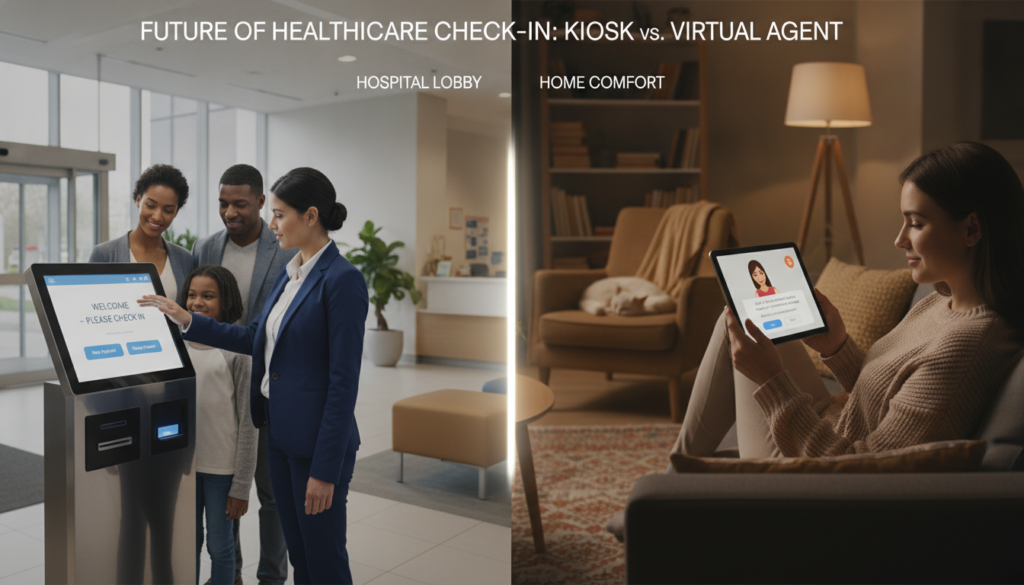
Nearly half of clinics plan to use digital intake forms in the next year. This number is growing fast. It shows how clinics want to make things easier for everyone.
Using paper can lead to mistakes and wasted time. Digital forms fix these problems by collecting data automatically. They also save time by not making you do the same thing over and over.
Paper work is slow and adds extra steps for your team. Digital options make things faster and keep patient info safe. This change makes your workday better and lets you focus on caring for patients.
Key Takeaways
- Digital systems replace slow paper methods, boosting efficiency.
- Patient data stays more accurate with electronic patient intake forms.
- Clinics spend less time on redundant tasks.
- Staff members can devote more attention to patient care.
- Paper usage drops, which benefits budgets and the environment.
Understanding Digital Intake Forms in Healthcare
Medical offices now use digital intake forms healthcare to change how they get patient info. They can get demographics and insurance details easily without dealing with lots of paper. This makes the front desk less busy and saves time.
These forms can be sent via text or email. This makes paperless check-in easy for patients to use on their devices. It makes the whole process smoother and more convenient.
What Are Digital Intake Forms?
They are online forms that collect important data securely. They get a patient’s medical history, personal info, and insurance details. All this info is stored in one place, making data entry automatic.
Key Features of Digital Intake Forms
Good platforms have strong security to ensure accurate data. They match electronic health records and use encrypted e-signatures. Some key features include:
- Instant syncing with patient management systems
- Easy access to records for front-desk teams
- Mobile-friendly design to engage patients
Benefits of Using Digital Intake Forms
Using these forms means fewer mistakes and quicker updates. This frees up time for better talks with patients. It also cuts down on paper costs and delays. This approach meets patient needs while keeping things organized and safe.
The Case for Paper Clipboards
Paper clipboards are seen as a simple way to collect patient info. They don’t need power and work in most settings. They seem good when you have fewer patients.
But, as patient numbers grow, so does waste and extra work. The ease of paper forms fades.
Overview of Traditional Paper Intake Forms
These forms are printed and given out by reception. Nurses then have to read handwritten notes. This can lead to mistakes.
Even though folders look organized, data is spread out. This makes it hard to keep everything together.
Limitations of Paper-Based Systems
Ink smudges and lost pages are big problems. Moving data to digital systems takes more time. This can lead to errors.
Digital intake forms can make data better and cut down on manual work. In busy places, they keep information up to date.
Comparing Efficiency: Digital vs. Paper
Paper-based intake slows you down. Switching to digital forms makes things faster. This change lets your team focus more on patient care.

Time Savings with Digital Forms
Electronic forms cut out the need for typing out the same info over and over. Patients can fill out forms online before they arrive. This makes the front desk’s job easier and makes appointments run smoother.
Quick data transfer means less waiting time. It also makes your team more productive.
Reducing Errors and Improving Accuracy
Handwriting can lead to mistakes or missed info. Digital forms fix this by checking info as you go. This keeps patient records accurate and reliable.
Learn more about how technology improves accuracy in modern check-in strategies.
Patient Experience and Engagement
Your patients want a welcoming place from the start. digital intake forms healthcare make this happen sooner. They get rid of paper work and start their care journey smoothly.
Benefits of Digital Forms for Patients
These forms let people fill out details in a calm place. This means they do it right, with fewer mistakes. Staff can get the latest info before seeing patients, making visits quicker.
Enhancing Communication and Accessibility
Practices that use clear language and easy-to-use forms build stronger bonds. Features like big text or support in many languages help everyone. For more on this, check out digital patient forms from DoctorConnect. They make digital intake easy and trustworthy from the start.
Compliance and Security Considerations
Staying compliant can feel overwhelming. You need solutions that protect patient records and respect regulations. Digital intake forms healthcare systems give you a path toward safer workflows.
Switching to a paperless check-in process keeps personal information out of shared spaces. It boosts confidence among patients who seek assurance that their details remain confidential.
HIPAA Regulations and Digital Forms
Efficient platforms offer encryption and secure logins. Each action is tracked, which helps you maintain critical documentation for audits and investigations.
Ensuring Patient Data Security
Strong firewalls and role-based access limit visibility to authorized staff. You strengthen trust by showing a commitment to strict privacy standards. Safeguarding data strengthens your practice’s reputation.
The Transition Process: Going Digital
Switching from paper to digital can seem big. But, a good plan makes it easier. Start small to see what works for you and your patients.
Let your patients know it’s faster and cleaner. This helps them understand the change.

Going digital with intake forms is a big step. It changes how patient info gets to doctors. Start slow to control each step.
People like it better when they can just tap to fill out forms. This makes check-ins easier.
Steps to Implement Digital Intake Forms
First, pick a system that works with your EHR. Test it with a few people, then add more.
- Connect new software to existing data channels
- Automate notifications and reminders
- Sync completed details with patient records
Training Staff and Patients
Teach your team by doing examples. Send links to patients by phone or email. Explain how it makes care safer.
| Implementation Step | Focus Area | Outcome |
|---|---|---|
| Set Up EHR Integration | Data Flow | Smoother Records |
| Pilot Program | Gradual Rollout | Early Feedback |
Cost Implications of Digital vs. Paper
Switching from paper to digital can seem scary. But, the money you save is big. You’ll use less and spend less over time.
Initial Investment vs. Long-term Savings
Going digital means spending on software and training. But, you’ll save on printing and fewer mistakes. Your team will have more time for patients.
Healthcare providers see fewer errors and smoother work. This is because of digital forms.
Impact on Administrative Costs
Paper costs a lot for supplies and storage. Digital forms make daily tasks cheaper. You’ll save money by avoiding billing mistakes.
Also, digital forms help get payments faster. This is because there are fewer delays in processing.
| Cost Factor | Paper Method | Digital Option |
|---|---|---|
| Printing & Supplies | Ongoing expenses | Minimal overhead |
| Staff Time | Manual data entry | Automated workflows |
| Record Storage | Bulky filing systems | Cloud-based archives |
Case Studies of Successful Transitions
Switching from paper to digital can seem scary. You might look to others who made the change and wonder about the challenges. But, real stories show that planning slowly and supporting your team can make the shift smoother.
Examples from Leading Healthcare Providers
Mayo Clinic started using digital forms for patient data at home. This cut down on wait times at the office. Stanford Health Care found their forms were more accurate, leading to fewer follow-ups. These examples show how new tech can make things better for both patients and staff.
Lessons Learned from Implementing Digital Forms
Experts say clear communication and easy-to-use designs are key. Here are some tips:
- Train your team well so they’re ready for new features.
- Help patients who are not comfortable with online tools.
- Test your forms before they go live to catch mistakes.
By focusing on making things easy for everyone, you can create a system that works better. This leads to happier patients and a more efficient team.
Looking Ahead: The Future of Intake Processes
Your practice can get ahead by using new paperless check-in features. AI is making digital intake forms better, helping patients share more easily. This change makes sharing info more personal and fun.
New tools can guess what questions you’ll ask next. This gives your team deeper insights. It’s a big step forward.
Innovations in Healthcare Technology
AI is getting smarter, bringing new tools like automated insurance checks and remote monitoring. These tools help you understand each patient’s needs better. They also make your work easier by cutting down on repetitive tasks.
Check out AI-powered forms to see how they can help your workflow.
Predictions for Digital Intake Forms
The future of intake forms might feel like a chat, not just a list of questions. Early users of smart forms and strong security will make better decisions. Soon, checking in will be easy and smooth for everyone.