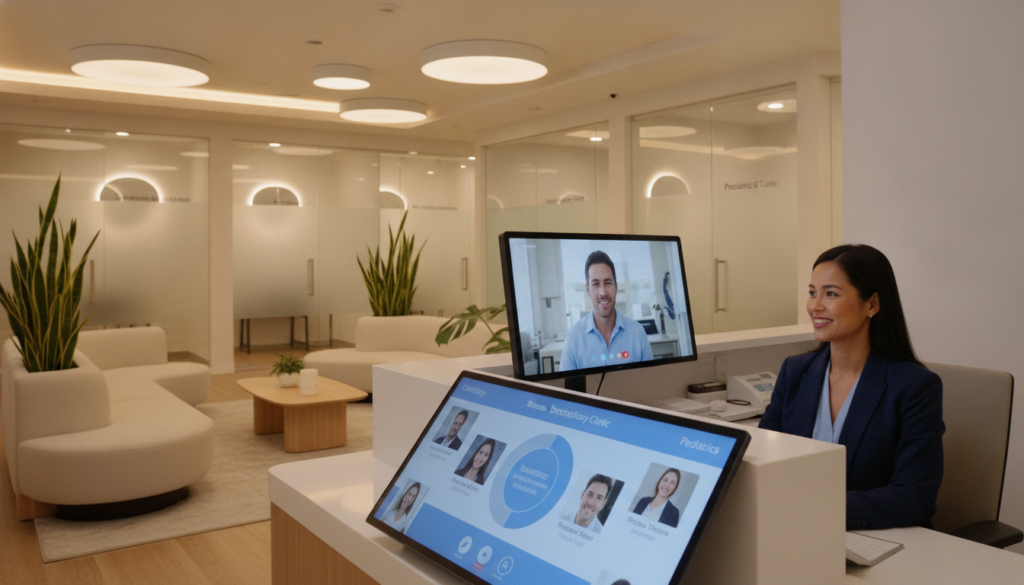
What keeps a busy cardiology practice organized before its doors even open? A remote professional may already review messages, prepare schedules, and check pending tasks. This is a practical look at the day in the life virtual medical assistant, from early morning priorities to end-of-shift planning.
You will see how this role blends scheduling, records work, insurance checks, refill requests, follow-ups, and patient communication. Secure software helps your team update charts, coordinate referrals, and protect each provider’s focus.
A Texas cardiology practice improved workflow after adding remote receptionist support. DocVA adds structure, training, tools, and ongoing guidance across distance. Explore small-practice support to see how this model fits your needs.
Need help now? Call Us: (352) 516-3972, use Text Me, or Email Us at info@totalmedicalsolution.com. Support is available 24/7.
Key Takeaways
- Remote support can begin before clinic hours.
- Core tasks include scheduling, records, insurance, and follow-ups.
- Clear systems help reduce interruptions for providers.
- DocVA supplies training, tools, structure, and guidance.
- Coverage remains available 24/7 through several contact options.
A day in the life virtual medical assistant: What your support team handles
A reliable remote partner turns scattered requests into a clear operating rhythm for your practice.
One assistant can maintain schedules, checklists, records, and staff updates across several hours. This role adds capacity without new office space or a full-time hire.
How remote assistants keep your healthcare practice organized
Medical assistants may support scheduling, billing, insurance claims, data entry, follow-ups, and telehealth help. You can review remote care support tasks to match services with current needs.
Why virtual medical support improves patient and provider workflows
A Texas cardiology practice reported fewer missed appointments, faster task completion, and smoother doctor workflow after adding remote support. Better communication helps your team spot bottlenecks before they affect care.
Support also fits private practices, urgent care centers, dental offices, mental health providers, and physical therapy clinics. A virtual assistant can extend staff capacity while protecting provider focus.
- Clear task ownership
- Steady patient follow-up
- More focused provider work
Call Us: (352) 516-3972; Text Me; Email Us: info@totalmedicalsolution.com. Support Hours Available 24 / 7.
| Support area | Primary benefit | Common result |
|---|---|---|
| Scheduling | Fewer gaps | Better attendance |
| Claims | Faster review | Fewer delays |
| Follow-ups | Timely outreach | Stronger continuity |
Morning Priorities: Reviewing Messages, Tasks, and Appointments
Morning triage gives your clinic a calm starting point. A virtual medical assistant opens email, scans messages, reviews tasks, and marks urgent patient requests. This early review helps protect provider focus.
Checking emails, calls, and urgent patient requests
Calls and portal notes receive a quick priority check. A patient with chest symptoms or a time-sensitive question moves ahead of routine follow-up. Clear communication also helps patients feel heard.
Building a focused schedule for the day
Next, the assistant reviews each schedule for gaps, conflicts, and travel needs. Smart scheduling groups similar work and leaves room for urgent care. A Texas cardiology team can use this process to keep work steady.
Confirming appointments and preparing patient information
Appointments receive proactive reminders, preparation details, and status updates. Staff organize each form before arrival and update EMRs in real time. This approach reduces lobby delays and supports a smoother appointment.
- Sort urgent requests first.
- Confirm visits early.
- Prepare forms before check-in.
A 2020 study cited by the National Library of Medicine linked timely communication with stronger treatment adherence and satisfaction. Learn more about remote clinic workflow. Call Us: (352) 516-3972; Text Me; Email Us: info@totalmedicalsolution.com. Support Hours Available 24 / 7.
Late-Morning Work: Patient Records, Intakes, and Documentation
Before noon, clean chart work gives each clinician a dependable view of upcoming care. A remote professional reviews demographics, insurance details, allergies, contact data, and consent status before saving updates.

Updating EHRs and maintaining accurate patient records
A virtual medical assistant checks each entry for missing details, duplicate notes, and outdated contact data. Accurate records help clinicians act with confidence while protecting sensitive information. Administrative staff organize facts, but providers make clinical decisions.
“Clear documentation gives every member of a care team a stronger starting point.”
Managing new patient forms, referrals, and follow-ups
Each form moves through a simple queue: review, verify, route, and close. Referral notes reach the right team, while follow-up items receive due dates. Portiva lists intake, data entry, and outreach among common responsibilities for medical assistants.
A cardiology receptionist learned an unfamiliar EMR through after-hours practice, clarifying questions, personal guides, and checklists. This method reduced omissions and delays. Call Us: (352) 516-3972; Text Me; Email Us: info@totalmedicalsolution.com. Support Hours Available 24 / 7.
| Workflow stage | Action | Benefit |
|---|---|---|
| Intake | Review form details | Fewer omissions |
| Referral | Route records | Faster coordination |
| Follow-up | Set task dates | More reliable outreach |
Billing and Insurance Tasks That Keep Care Moving
Revenue-cycle work supports steady care, even when payer rules feel complex. A trained remote professional checks details early, so your team can focus on patient needs rather than avoidable delays.
Verifying coverage and preparing insurance claims
Your assistant confirms insurance eligibility, benefits, copays, and referral rules before an appointment. You can also use insurance verification at check-in to reduce surprises for patients.
Next, staff match codes, forms, authorizations, and visit notes. Complete records support accurate claims and help your practice send insurance requests with fewer corrections. Portiva lists billing support and claims work among tasks suited to remote delegation.
Following up on billing questions, denials, and missing documentation
When a claim faces rejection, your support partner tracks its status, contacts the payer, and requests missing records. This process also helps answer a patient’s billing question with clear, respectful updates.
“Accurate revenue work helps protect both cash flow and continuity of care.”
Remote support can lower infrastructure, hiring, payroll-tax, and benefits costs. Call Us: (352) 516-3972; Text Me; Email Us: info@totalmedicalsolution.com. Support Hours Available 24 / 7.
Midday Coordination With Your Healthcare Team
By midday, your remote receptionist completes a focused check-in with your healthcare team. She shares patient updates, confirms ownership, and flags work that needs quick action.
Secure chat keeps communication brief and easy to track. She connects with the doctor and practice manager through messages, while video meetings occur only when needed. This approach limits interruptions and keeps priorities clear.
Sharing updates and prioritizing urgent patient needs
At a Texas cardiology practice, this coordination improved workflow and supported smoother care. The receptionist reported that her support lightened the doctor’s workload. A simple urgency scale helps staff respond to critical requests first, while routine items follow their normal queue.
- Review new messages and open tasks.
- Rank urgent needs by response time.
- Confirm ownership before work continues.
Clear coordination protects time for direct care and helps remote assistants work with greater focus. You can also explore prior authorization support for complex payer tasks.
Call Us: (352) 516-3972; Text Me; Email Us: info@totalmedicalsolution.com. Support Hours Available 24 / 7.
| Midday action | Purpose | Result |
|---|---|---|
| Share updates | Align team priorities | Fewer missed tasks |
| Rank urgency | Guide response order | Faster follow-up |
| Confirm ownership | Prevent duplicate work | Smoother operations |
Afternoon Patient Interaction and Appointment Support
Afternoon traffic often brings new questions, schedule changes, and follow-up needs. A virtual medical assistant keeps each patient interaction calm, clear, and easy to track.

Answering calls, messages, and patient inquiries
Using a phone, portal, or secure chat, your assistant answers calls and responds to messages with approved guidance. Each call receives a clear next step, such as a visit update, document request, or provider review.
This steady communication helps patients understand what happens next. A 2020 National Library of Medicine finding connects timely communication with stronger treatment adherence and satisfaction. For smoother intake, review this patient check-in guide.
Handling changes, refills, and follow-ups
Rescheduling protects open slots while limiting disruption for your practice. Refill requests follow office rules, with outstanding tasks documented for provider review. The assistant may also support telehealth logistics, pre-screening, post-visit outreach, and appointment details.
“Clear updates help patients feel supported during busy periods.”
These services help practices maintain reliable patient interaction across each day. Call Us: (352) 516-3972; Text Me; Email Us: info@totalmedicalsolution.com. Support Hours Available 24 / 7.
| Request | Action | Benefit |
|---|---|---|
| Schedule change | Offer approved openings | Fewer disruptions |
| Refill request | Route for review | Clear ownership |
| Follow-up | Record next steps | Stronger continuity |
Technology, HIPAA Compliance, and Continuous Learning
Reliable systems help your healthcare team protect patient privacy while keeping each day organized. A trained medical assistant can spot a slow EHR, broken digital form, or weak video link before care stalls.
HIPAA-compliant training gives staff a safer method for handling sensitive records. Secure messaging, encryption, password protocols, and electronic health record updates require careful habits. Virtual assistants also learn when to limit access, report concerns, and document steps.
At a Texas cardiology practice, an unfamiliar EMR became manageable through after-hours practice, quick guides, checklists, and questions for a doctor and practice manager. Repeated practice builds skills and confidence. Medical assistants can apply those skills across changing healthcare systems.
Telehealth support adds another layer. Virtual assistants coordinate consultations, pre-screen people, and manage remote appointment logistics across locations and hours. These skills protect service continuity and give clinicians more time for direct care.
Use a clear escalation path when tools fail. This practical support keeps work moving and protects privacy. For technology support, Call Us: (352) 516-3972; Text Me; Email Us: info@totalmedicalsolution.com. Support Hours Available 24 / 7.
| Technology concern | Trained response | Care benefit |
|---|---|---|
| Slow EHR | Check access and escalate | Fewer delays |
| Broken form | Use a checklist and report | Cleaner intake |
| Video failure | Guide connection steps | Smoother telehealth |
End-of-Day Review and Preparation for Tomorrow
Before work closes, your virtual medical assistant turns loose details into a clear plan. Completed tasks receive a final check, while pending items gain owners, due dates, and next steps. This gives staff a calmer start each morning.
Closing open tasks and reviewing workflow performance
The review covers the schedule, appointments, forms, messages, calls, claims, billing, and insurance notes. A remote virtual assistant records unresolved concerns instead of leaving them for memory. Patients receive timely updates, and providers spend less time rebuilding context.
Reports can show response-time trends, missed appointments, delayed follow-ups, and workload gaps. For a cardiology practice, checklists and proactive coordination help prevent avoidable oversights. Clear records also support better staff decisions across practices.
- Rank pending tasks by urgency.
- Prepare a focused morning schedule.
- Flag issues that need provider review.
Consistent closing support protects time and improves workflow control. Learn more about medical office support roles. Call Us: (352) 516-3972; Text Me; Email Us: info@totalmedicalsolution.com. Support Hours Available 24 / 7.
Conclusion
Strong coordination gives your practice a steadier path from first patient message to final follow-up. A virtual medical assistant can manage schedules, records, payer checks, calls, and appointment updates while clinicians focus on care.
A Texas cardiology example shows how remote support can reduce missed visits, speed task completion, and protect provider time. This role also brings clear ownership, secure tools, and dependable communication across your healthcare team. Read this remote receptionist workflow for added perspective.
Private practices, urgent care centers, dental offices, and specialty clinics can scale help without adding office space. Choose a trained virtual assistant when patient access, staff capacity, or follow-up needs exceed current resources. DocVA and Portiva support structured coordination, ongoing training, and HIPAA-aware processes.
Ready to strengthen your service? Call Us: (352) 516-3972; Text Me; or Email Us at info@totalmedicalsolution.com. Support Hours Available 24/7.