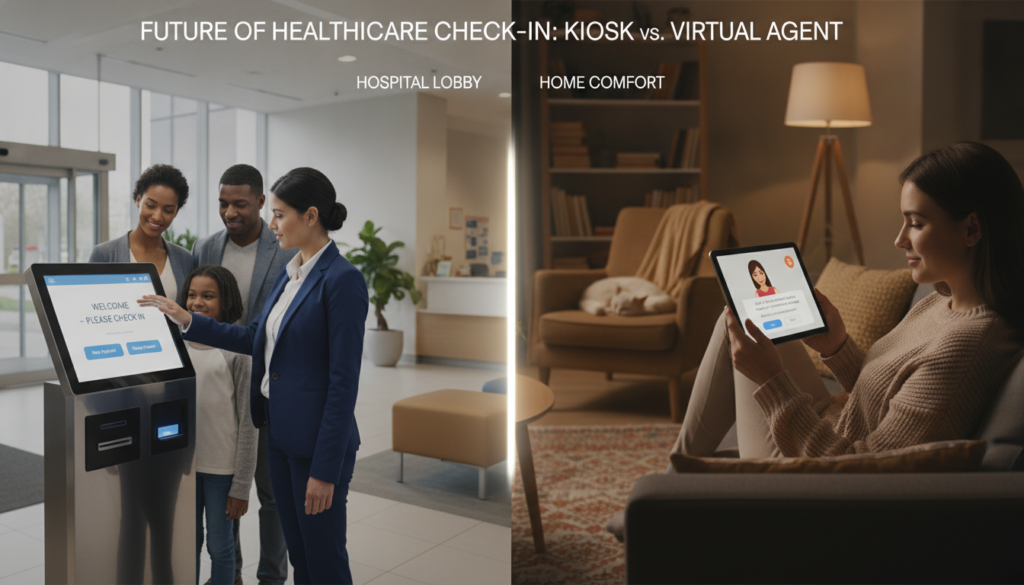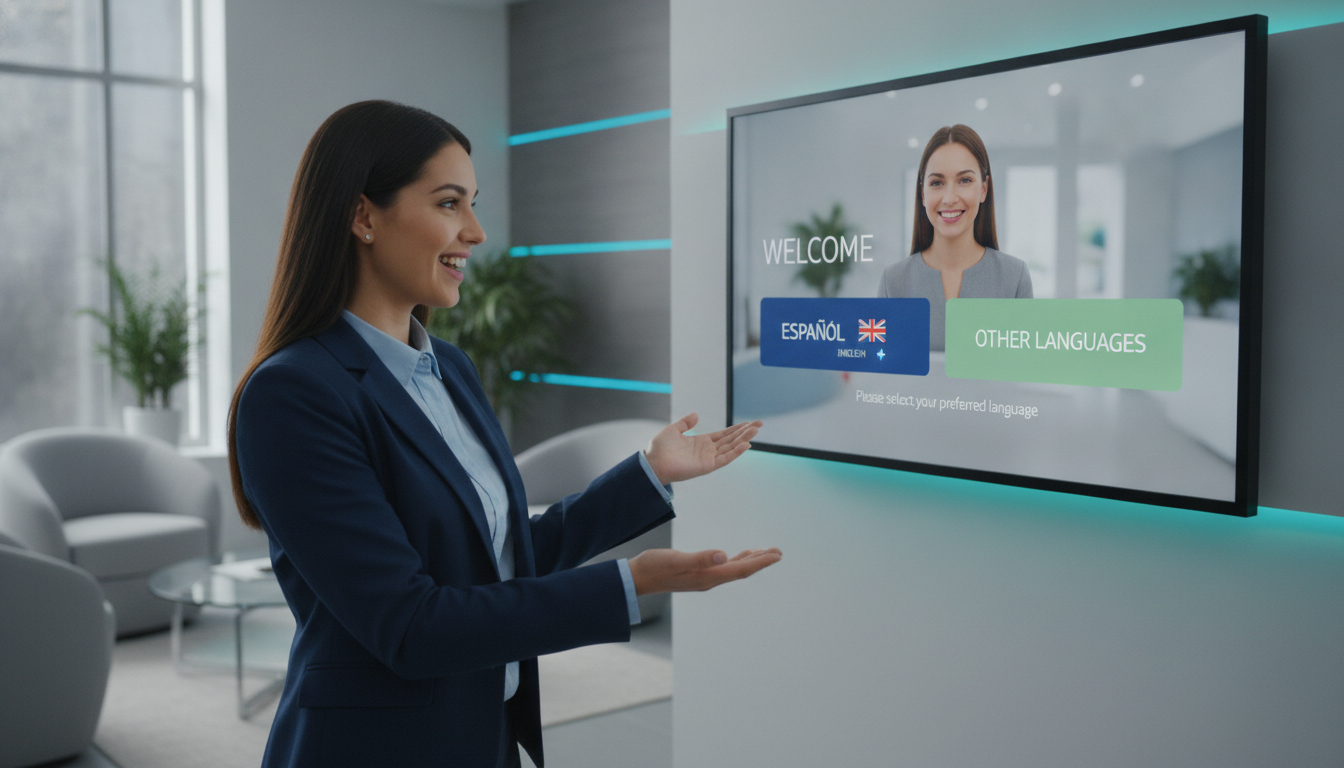
Over 42 million households in the United States speak Spanish. This shows the need for Spanish-speaking support in healthcare. A bilingual virtual front desk helps by making communication easier for Spanish speakers.
Helping patients in their own language builds trust. It makes them more likely to seek care early. Your practice will be welcoming, with clear explanations and efficient scheduling.
Key Takeaways
- Bilingual services make your practice more accessible.
- Spanish-speaking patient support healthcare builds trust.
- Clear communication reduces confusion and stress.
- Timely care improves patient satisfaction.
- A bilingual virtual front desk helps you serve diverse communities.
Understanding the Bilingual Virtual Front Desk Concept
You want a smooth experience for all patients, no matter their language. A bilingual virtual front desk helps by speaking both English and Spanish. This way, patients feel understood, and you can focus on their care.
Definition of Bilingual Virtual Front Desk
This idea is about a team or person who helps your practice from afar. They schedule appointments and answer calls in two languages. A good bilingual medical receptionist makes sure everyone is clear and understood.
They work with your team to share important details. This helps your doctors give the best care possible.
Importance in Healthcare Settings
Language barriers can cause problems in healthcare. A bilingual virtual front desk solves this by speaking both languages. This way, patients get the care they need without confusion.
Places like Mayo Clinic know how important clear communication is. They make sure everyone is heard and understood, no matter their language.
Benefits of Spanish-Speaking Support for Patients
You make people feel seen by understanding their language needs. A bilingual virtual front desk connects people with staff who get both cultures and languages. This makes health questions and worries clearer and less scary.
Improved Communication
Talking in a familiar language cuts down on confusion about plans and details. It makes sure prescriptions and directions are right. With Spanish-speaking support, everything is clearer, and visits go better, building trust.
Enhanced Patient Satisfaction
Research shows patients are happier when they speak the same language as their doctors. They follow advice better when they understand it. By having a bilingual front desk, you show you care about their comfort and voice. This respect makes patients loyal and improves their care experience.
Bridging Language Barriers in Healthcare
Communication gaps can lead to confusion about symptoms and treatment. When providers speak clearly, patients understand better. This helps avoid missed details and wrong diagnoses.
Studies show language barriers can lead to longer hospital stays and medical mistakes. Skilled staff and new technology help. They make sure patients feel understood and supported throughout their care.
The Impact of Language on Patient Care
When there’s a misunderstanding, treatments might not work right. This can cause delays and extra costs. Clear communication is key, even for sensitive medical topics. A bilingual virtual front desk helps keep conversations clear.
Strategies for Overcoming Language Challenges
Offices that hire bilingual staff help a lot. They can schedule visits and explain important details. Telehealth services with translation tools are also helpful. And written materials in many languages make sure instructions are clear.
| Challenge | Potential Solution |
|---|---|
| Limited English Proficiency | On-site or virtual bilingual support |
| Complex Medical Terms | Simple translations and visual examples |
| Patient Hesitation | Encourage open dialogue with supportive staff |
Increasing Access to Healthcare Services
Adding a bilingual virtual front desk to your practice opens more doors for care. It can help keep patients coming back and reach more people in Hispanic or Latino groups. This makes them feel more comfortable getting the help they need in their own language.
Serving Diverse Communities
By supporting Spanish-speaking patients, you show you care about everyone. Talking directly with them in Spanish makes them feel at home. This is key for families who need to understand their health issues clearly.
Reducing Disparities in Care
When patients get support in their own language, they stick to their treatment plans better. Language barriers can cause misunderstandings or delays in care. Your effort to communicate clearly helps make healthcare fair for all.
Enhancing Patient Engagement Through Language
Meaningful communication builds strong bonds and helps people follow medical advice. A bilingual virtual front desk connects with those needing care in their own language.
Building Trust with Spanish-Speaking Patients
Respecting cultural nuances creates a warmer environment. This means listening well, asking open questions, and understanding each concern. Having a bilingual medical receptionist helps ease anxiety when talking about appointments or sensitive topics.
Cultural competency, like knowing how people describe symptoms, boosts engagement. It shows you care about their well-being.
Tailoring Communications to Cultural Contexts
Adapting outreach to Spanish-speaking communities builds respect. The way you talk affects how willing people are to follow care plans. Showing you care about their well-being is key.
| Strategy | Result |
|---|---|
| Cultural Literacy | Promotes trust and openness |
| Language-Sensitive Interactions | Encourages honest disclosure and loyalty |
The Role of Technology in Bilingual Support
Technology opens up new ways for a bilingual virtual front desk. It offers tools that are cost-effective and meet HIPAA standards. These tools help with scheduling and make workflows smoother.
Remote support is becoming more popular. This lets Spanish-speaking support in healthcare grow without spending a lot of money.
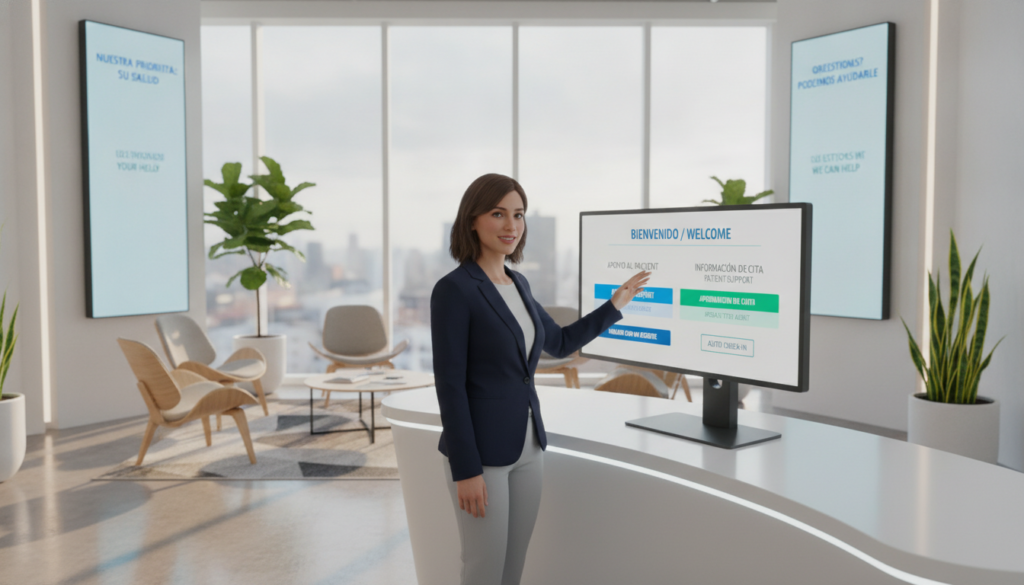
The right technology helps serve many communities. It lets you quickly find qualified people to help patients. They can talk through secure messages, video calls, or phone calls.
This approach cuts down wait times. It also makes patients happier with the service they get.
Virtual Front Desk Platforms
Platforms like Zoom or eClinicalWorks have bilingual features. They help with reminders, appointment portals, and mobile alerts. These features make it easier to manage patient care.
- Convenient appointment scheduling
- Automated language support
- Secure data encryption
Telehealth Integration
Telehealth offers one-on-one help for Spanish-speaking patients when they can’t meet in person. It connects administrative and clinical support. This ensures patients get help no matter where they are or what time it is.
| Tool | Primary Function | Key Benefit |
|---|---|---|
| Cloud-Based Platform | Manages patient data | HIPAA compliance and swift updates |
| Video Conferencing | Virtual Consultations | Instant face-to-face connections |
| Secure Messaging | Encrypted Communications | Protected patient interactions |
Training Requirements for Virtual Front Desk Staff
You need a solid foundation before serving as a bilingual virtual front desk professional. You must know how to use scheduling software, EHR systems, and HIPAA rules. This keeps patient data safe and makes daily tasks faster.
Being fluent in English and Spanish is key. It helps you support people from different cultural backgrounds with empathy.
Language Proficiency Standards
You must be confident when using medical terms in Spanish and English. Being accurate is important to avoid mistakes with appointments, billing, and insurance. A bilingual medical receptionist must also know privacy laws and telehealth platforms.
Keep your fluency up by practicing and taking official tests.
Customer Service Skills
Being professional means making every interaction comfortable and clear. A friendly tone and being attentive makes patients feel welcome. Training includes role-play, guides, and checks to ensure you follow rules.
For more tips, check out this guide on how a bilingual virtual front desk improves medical settings. Good training leads to better workflows and loyal patients.
Case Studies: Successful Implementations
Many clinics see big improvements with a bilingual virtual front desk. Patients feel comfortable sharing their needs and plans. This leads to fewer missed appointments and easier check-ins.
Healthcare Facilities Adopting Bilingual Support
Hospitals like Mount Sinai and Cleveland Clinic have started using these systems. They focus on calls for Spanish speakers, cutting down on mistakes. Staff see happier patients and enjoy working with a smoother process.
- Instant appointment scheduling in a patient’s preferred language
- Improved follow-up calls for prescription guidelines
- Stronger trust built through warm interactions
Measurable Outcomes in Patient Care
Studies show that supporting Spanish-speaking patients boosts loyalty and praise. Clinics keep more patients, and feedback shows language matters a lot. Investing in affordable bilingual receptionist services makes a clinic look welcoming and modern.
Future Trends in Bilingual Virtual Front Desk Services
In the next few years, we’ll see more language options beyond Spanish. Healthcare needs to talk to more people because of changing demographics and online health services. A bilingual virtual front desk helps with this, making communication easier and care better.
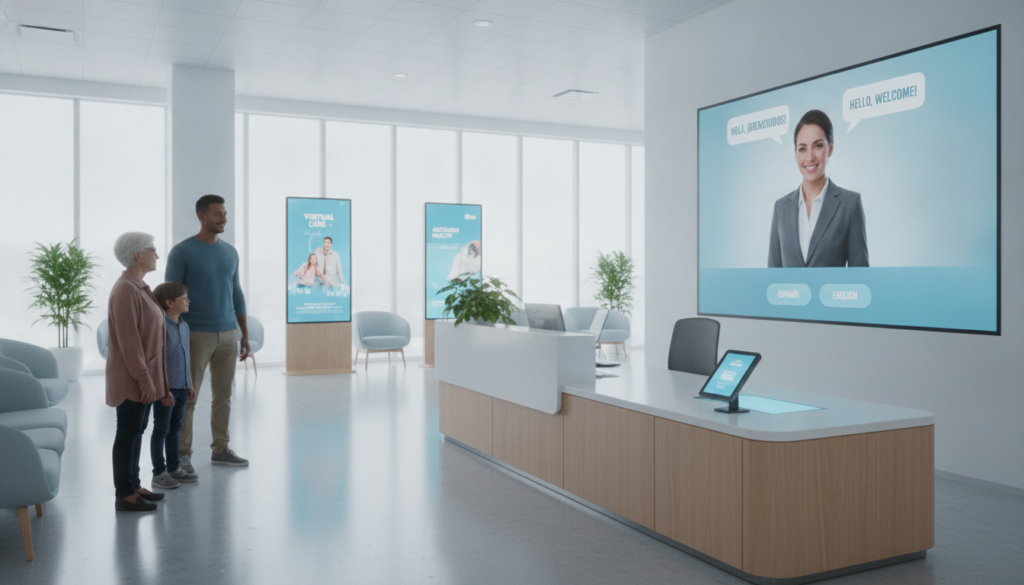
Healthcare groups want to hire bilingual staff for everyone. This move helps more people get the services they need. Even though AI can help, human touch is key.
Growing Demand for Multilingual Support
We might see more Mandarin, Vietnamese, and Arabic services soon. This change aims to make healthcare more welcoming to all cultures. It’s about breaking down barriers and being inclusive.
Innovations on the Horizon
Virtual assistant tech is getting better with new speech recognition. Digital health records will make talking to doctors easier. The goal is to connect people better through clear, respectful communication.
Conclusion: The Necessity of Bilingual Support in Healthcare
Welcoming patients in their own language builds trust. A bilingual virtual front desk shows you care about everyone. It makes patients feel safe and understood.
Final Thoughts on Patient-Centric Care
Respecting cultural and language differences is key to fair care. Services in Spanish help avoid mistakes and make patients happier. This leads to more people getting the care they need early on.
Call to Action for Healthcare Providers
Make your practice welcoming to all by removing barriers. A bilingual virtual front desk helps you connect with more people. Learn more at the bilingual virtual receptionist page. This step can make your patients more loyal and improve their health outcomes.