More than 15% of healthcare visits in the U.S. happen outside of 9-to-5 hours. This shows why weekend front desk coverage and after-hours patient check-in are key. They help when urgent needs pop up late in the day.
Many teams use comp time to avoid overtime pay, following OPM rules. This way, they keep budgets in check and improve patient flow. The next parts will show how to cover gaps without extra payroll costs.
Key Takeaways
- Weekend front desk coverage gives patients easy access after normal hours.
- After-hours patient check-in helps reduce wait times and improve satisfaction.
- Comp time is a smart way to sidestep overtime expenses.
- OPM guidelines guide public-sector workers on flexible scheduling options.
- Streamlined coverage policies keep operating costs in check.
Understanding After-Hours Patient Check-In
Sometimes, you might need to see a doctor outside regular hours. An after-hours patient check-in lets you get care late at night, on weekends, or during long hours. Even though staff work longer hours, they get paid fairly.
Definition and Importance
After-hours patient check-in lets you reach healthcare providers when they’re not open. It means you can get help 24/7 for minor issues. This way, you know someone is there for you, even when clinics are closed.
It makes patients happier and helps clinics not get too busy during the day.
Common Scenarios for After-Hours Visits
- Late-night prescriptions for sudden flare-ups
- Weekend injuries that need prompt attention
- Overnight symptoms requiring early-morning consultation
Learning about virtual patient check-in can help you understand its benefits. It shows how longer hours make care safer and more convenient.
| Factor | Normal Hours | After-Hours |
|---|---|---|
| Wage Requirements | Standard pay | Must meet minimum wage |
| Patient Access | Limited schedule | 24/7 patient check-in availability |
| Wait Times | Often higher | Frequently shorter |
| Staff Scheduling | Routine shifts | Flexible hours |
Benefits of After-Hours Patient Check-In
After-hours patient check-in lets you offer care when it’s needed most. It’s perfect for those with busy days. Weekend front desk coverage meets special needs and makes your clinic more convenient.
Many places let employees work flexible hours. This way, you save money and offer more care. It’s good for your team and patients.
Improved Patient Access
It helps those who can’t visit during regular hours. It’s great for families or those working late. This builds trust and keeps patients coming back.
Reduced Emergency Room Overcrowding
It keeps non-urgent cases out of busy ERs. Patients get the right care without overloading hospitals. This saves money and improves health outcomes.
| Key Factor | Outcome |
|---|---|
| Flexible Shifts | Ensures coverage without extra pay |
| Meal & Rest Compliance | Fulfills legal standards for staff |
Implementing After-Hours Check-In Systems
Creating a smooth patient journey starts with the right tools and clear procedures. Flexible schedules need precise time tracking. This is important under state and federal rules. Keeping accurate logs is key for every after-hours check-in, making late shifts efficient.
Key Technologies and Tools
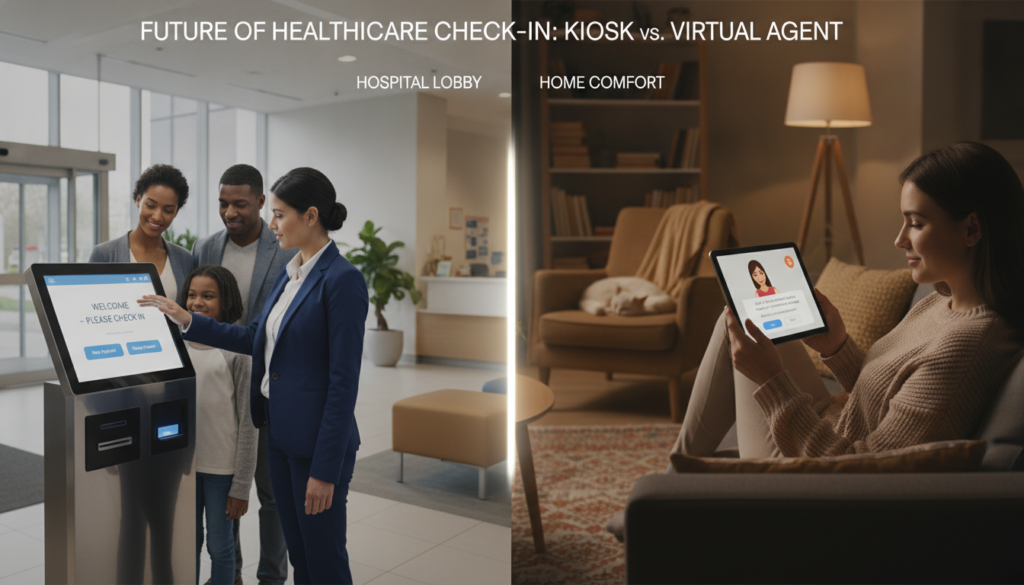
Kiosks, secure portals, and electronic records are key for 24/7 check-in. They make registration easy and keep patient info safe. Think about using:
- Kiosks for quick self-service
- Encrypted online platforms for remote registration
- Integrated software for real-time updates
Staff Training and Protocol Development
Invest in training on triage, emergency guidelines, and privacy. Your team should know how to handle late-night arrivals. They also need to document accurately, following labor rules.
Clear steps help your team feel confident at night. They know what to do with urgent cases and how to keep records right.
| Technology | Function | Benefit |
|---|---|---|
| Automated Kiosk | Self-Service Check-In | Reduces wait times |
| Secure Portal | Remote Registration | Improves patient convenience |
| EHR Integration | Data Synchronization | Streamlines record updates |
Patient Safety Considerations
Patients feel safe from the start, even when there’s not many staff. You keep your community safe by being thorough and caring. This means good weekend front desk coverage and quick after-hours check-ins.
Managing staff breaks is key. It keeps them sharp and ready to act fast. This way, they can spot and fix urgent problems quickly.
Assessing Patient Needs
Triage starts with finding urgent medical needs. Weekend front desk staff spot high-risk cases and call on-call doctors fast. This quick action helps everyone.
- Confirm each patient’s chief complaint
- Consult protocols for red flags
- Document each finding in real time
Emergency Protocols During After-Hours
After-hours check-ins need quick action. Your team should call local hospitals for serious cases and arrange transport if needed. Clear communication keeps everyone safe.
| Policy | Goal |
|---|---|
| Staff Triage Training | Recognize urgent needs and mitigate risks early |
| Defined Communication Steps | Provide immediate clarity on next actions |
| Collaborative Referral Plans | Guide critical cases to higher-level care fast |
Regulatory Compliance in After-Hours Operations
When you handle 24/7 patient check-in, you must protect privacy. This is true for both on-site and digital visits. Using security tools and training keeps patient trust strong.
HIPAA and Patient Confidentiality
Following HIPAA means encrypting data and controlling access. You must also check patient identities. Any mistake can harm your practice and patient health.
State-Specific Regulations
Rules on work hours and pay differ by state. You might give comp time instead of overtime for some jobs. Rest periods after long shifts also matter. Make sure your policies match these rules to avoid problems.
| Compliance Factor | Key Considerations |
|---|---|
| HIPAA Standards | Ensure strong encryption and staff training |
| State Wage Rules | Offer comp time or overtime in line with legal requirements |
Cost-Effectiveness of After-Hours Services
Adding hours can seem scary at first. But think about all the extra patients you can see. And how your place can reach more people. With smart scheduling, your money can go further.
Analyzing Possible Savings
More patients mean more money. They might have gone to expensive ERs instead. Your costs stay even by using staff wisely at different times. This makes things more flexible and fair.
Avoiding Overtime Pay
Switching shifts or using comp time helps a lot. It keeps overtime low without hurting care quality. Your team gets breaks, and you save on labor costs. Plus, everyone stays happy with their schedules.
| Method | Benefit | Key Consideration |
|---|---|---|
| Alternate Shifts | Reduced Overtime | Clear Scheduling Plan |
| Comp Time | Budget Control | Legal Compliance |
| Weekend Coverage | Better Patient Access | Staffing Rotation |
The Role of Telehealth in After-Hours Check-In
Telehealth makes your practice more convenient. It helps keep patients happy and makes things run smoother. It’s great for urgent needs when your staff is not around.
Telehealth lets patients check in 24/7 from anywhere. It’s important to have good internet and make sure payments work well. Make sure all chats are safe and follow HIPAA rules to keep trust.
Virtual Consultations: Benefits and Challenges
Virtual visits save money and reduce waiting. They let staff do more important work. But, some people might not want to use new tech. So, it’s good to help them get started.
Make sure your system can handle video and audio calls. This way, you meet patient needs and cut down on missed appointments.
Enhancing Accessibility Through Technology
Telehealth is great for after-hours check-ins. Make sure your team knows how to use it well. Check out this resource for tips on remote intake.
By using telehealth wisely, you keep patients happy and care for them all the time.
Marketing After-Hours Check-In Services
You want your community to know when and how to reach you outside standard office hours. Highlight weekend front desk coverage, flexible scheduling, and cost-saving benefits. Using staff for marketing tasks after hours may need special work rules. But it can help you connect with more people.

Strategies for Effective Communication
Use social media like Facebook or Twitter for updates on after-hours check-in. Send email newsletters or text alerts for weekend appointments. A brief mention on your homepage can also help. Show the benefits of using these services.
- Highlight quick responses during late shifts
- Emphasize cost-effectiveness of after-hours care
- Offer direct links for rapid online booking
Engaging with Existing Patients
Make it easy for patients to know how to get help after hours. Show weekend front desk coverage in reminders. Ask for feedback to see how well you’re doing. This makes your practice seem reliable and trustworthy.
Measuring Performance and Patient Satisfaction
You need clear ways to see if your 24/7 patient check-in program meets its targets. Set realistic goals, track results often, and make sure the team feels supported. Adopting workable scheduling practices aligns with federal guidelines, ensuring staff are compensated fairly if they work outside standard hours.
Key Performance Indicators (KPIs)
Focus on metrics that show how your after-hours patient check-in plan is running. Look at wait times and the number of late appointments you fill. Keeping an eye on these numbers reveals whether your system handles arrivals without piling on overtime expenses.
| KPI | Explanation |
|---|---|
| Patient Wait Times | Shorter waiting periods highlight efficient check-in systems |
| Appointment Fill Rate | Measures how many evening slots are used compared to their availability |
Patient Feedback and Surveys
Gather input from users of your after-hours patient check-in service. Invite them to share thoughts on sign-in speed, staff courtesy, and confidentiality. This approach produces clear insights into improvement areas—so you can refine processes and maintain patient satisfaction.
Challenges in Implementing After-Hours Check-In
Adding more hours means facing new challenges. You’ll need to figure out pay, staff shifts, and resources. A good plan helps avoid confusion and keeps everyone’s spirits up.
Staff Resistance and Scheduling Issues
Staff might worry about working extra or late hours. Rotating shifts or giving comp time can help share the load. Remember, comp time rules depend on if staff is exempt or not.
Talking openly with your team is important. It helps lower their concerns.
Managing Patient Expectations
Patients might think your service can fix all their health issues. It’s important to set clear limits. Tell them what you can handle and when to go to the emergency room.
Being consistent in what you say helps build trust. This is key for the success of your extended hours.
Future Trends in Patient Check-In Services
New tech is changing how we handle 24/7 patient check-in. Telemedicine and new laws are leading to more flexible hours. Biometric scanners and voice tools might cut down on waiting lines.
Mobile apps could make the intake process quick and easy.
The American Medical Association states, “Digital solutions are propelling healthcare toward streamlined processes and broader patient engagement.”
Innovations in Check-In Technology
Wearable devices send health info to doctors, reducing wait times. Voice systems help patients fill out forms easily. This makes late-night visits less stressful for everyone.
Expanding After-Hours Access Options
More people want care outside regular hours. Clinics and hospitals are using remote tools for home visits. Chatbots and digital kiosks give patients more control, making after-hours visits smoother.
Summarizing the Impact of After-Hours Check-In
Offering after-hours patient check-in and weekend front desk coverage gives your facility a big advantage. It helps manage schedules well, cutting down on overtime costs. This way, you can share care duties without overworking your staff. A helpful medical answering service resource shows how to handle urgent calls and keep up with patient questions. It also helps reduce no-shows, which can save a lot of money.
Enhanced Patient Care and Satisfaction
Patients may need help at any time, day or night, or on weekends. By being there for them, you can lower the number of ER visits. This also makes patients feel more secure and valued, improving their overall experience.
Long-Term Benefits for Healthcare Facilities
Smart scheduling can lead to growth and efficient operations. It also builds patient loyalty. By being available 24/7, you avoid long waits and extra costs for families. Over time, your reputation grows, and you attract new partnerships.
Providing timely care keeps you ahead, ready to grow without high overtime costs.