In 2022, nearly 45% of big data breaches in the U.S. hit healthcare providers. This shows we need safe ways to keep patient info safe. You should have a HIPAA compliant virtual check-in plan to protect private data.
You must check who the patient is and keep all data safe. This means encrypting data, training your team, and getting consent before each visit. Patients count on you to keep their info safe online.
Key Takeaways
- Virtual check-ins should follow HIPAA guidelines to secure patient data
- Patient identity verification is essential at every step
- Encryption adds an extra shield to sensitive information
- Staff training prevents unintentional errors in remote workflows
- Ongoing updates keep your HIPAA compliant virtual check-in approach current
Understanding HIPAA Compliance in Healthcare
Your practice must follow strict guidelines to guard patient data. HIPAA applies to every channel where health information is processed. Telehealth solutions, including remote interactions, rely on HIPAA certified check-in agents who handle electronic records responsibly.
What is HIPAA?
HIPAA stands for the Health Insurance Portability and Accountability Act. It sets federal rules that protect patient information. You are expected to maintain secure environments and honor confidentiality when handling any form of protected health data.
| Key Requirement | Commitment |
|---|---|
| Data Encryption | Prevents unauthorized access |
| Access Controls | Limits viewing rights to authorized staff |
| Secure Communications | Ensures privacy for telehealth sessions |
Importance of HIPAA Compliance
Failure to uphold these standards risks penalties and erodes patient trust. You must ensure consistent oversight, plus training for HIPAA certified check-in agents who verify identities and confirm patient consents.
Impact of HIPAA on Patient Care
Comprehensive compliance improves quality outcomes and safeguards each individual’s privacy. You can explore a complete guide that discusses best practices for virtual patient check-ins under HIPAA rules. This approach helps you build stronger connections with people seeking secure healthcare services.
Key Components of Virtual Patient Check-In
Using a modern process for patients makes things easier. It cuts down on paper work and gets you to care faster.
What is Virtual Check-In?
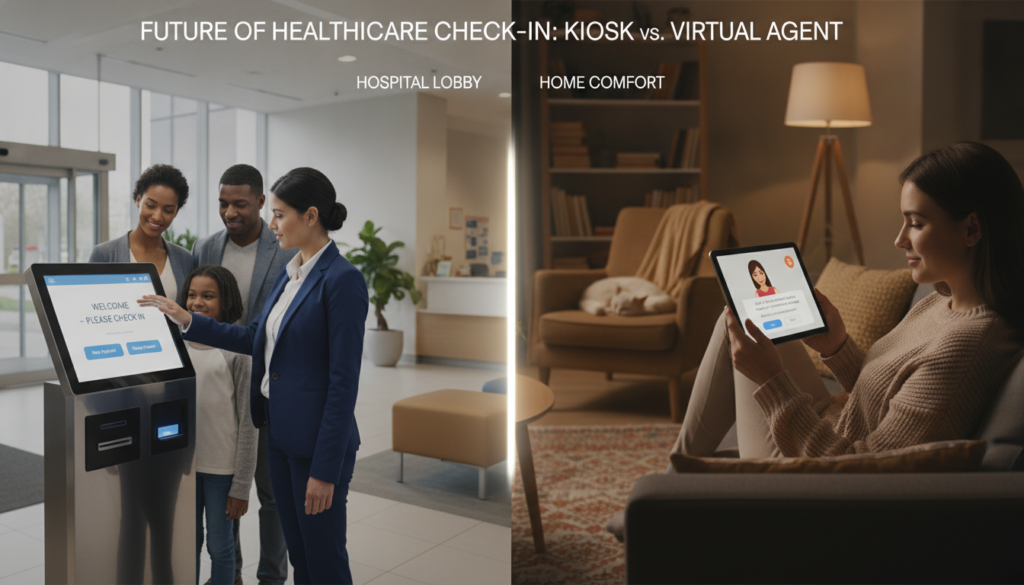
Virtual check-in is a system for online or phone use. It lets you confirm details, share updates, and get ready for your appointment from anywhere. You can check insurance, share health data, and review forms without waiting in a room.
Benefits of Virtual Check-In for Patients
With a HIPAA compliant virtual check-in, you face fewer delays. You also get better communication with your care team. Plus, you feel more comfortable scheduling visits.
Resources are tailored to meet your needs. They help you trust that your information is safe.
Key Technologies in Virtual Check-In
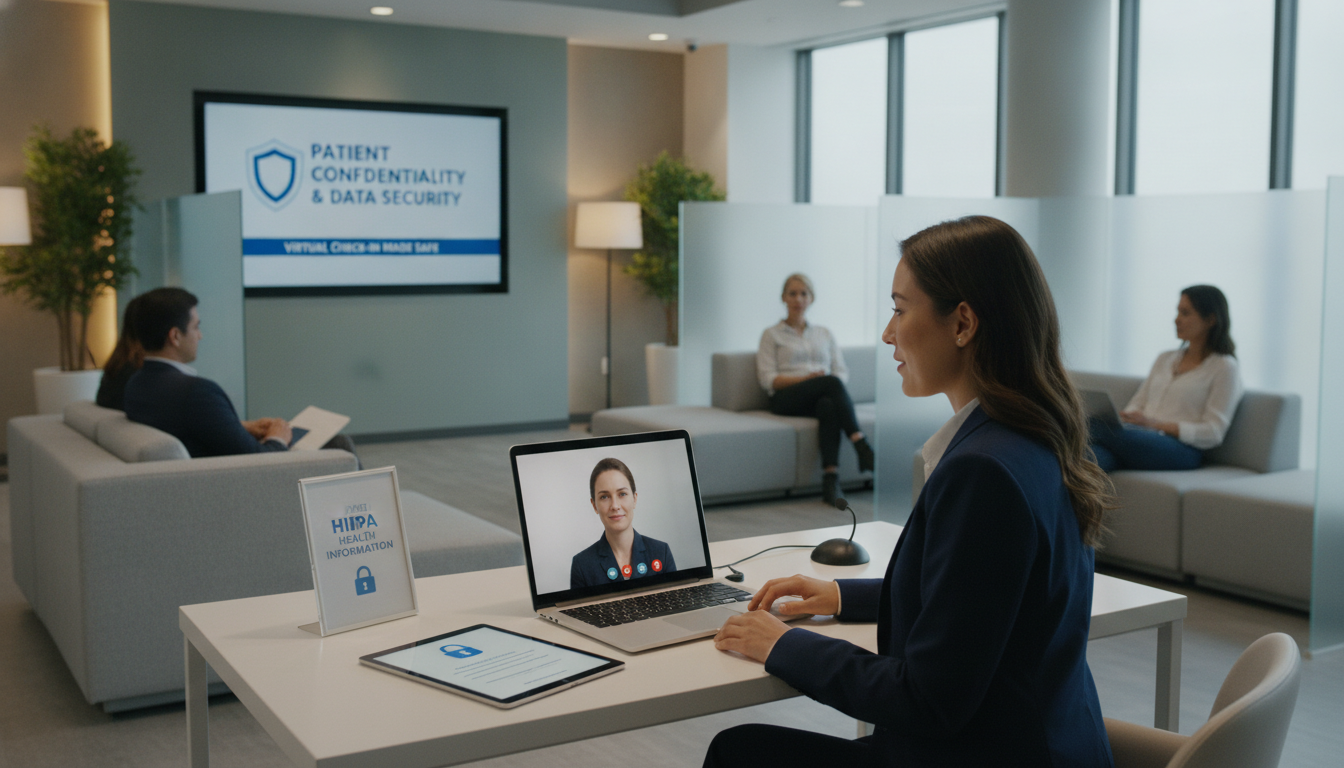
Secure video platforms, phone lines, and VPNs are key for a HIPAA compliant virtual check-in. They use strong encryption and user checks to keep info safe. These tools make sure your data is private and follow the best practices for patient care.
Ensuring HIPAA Compliance in Virtual Check-In
Keeping patient info safe needs careful digital steps. Your online setup must limit who sees sensitive data and keep good records. HIPAA certified check-in agents play a big role in keeping data safe, as they handle patient info from start to finish.
Data Privacy and Security Measures
Protecting personal health info means using strong login rules and watching for trouble. If someone gets into your system without permission, it’s a big problem. Make sure any outside groups handling your data sign the right agreements first.
Encryption Requirements
Using encryption makes data safer when it’s sent or stored. It keeps patient records safe from hackers. This rule helps your virtual care stay in line with the law.
Staff Training and Compliance
Everyone handling patient info, including HIPAA certified agents, needs to know how to do it right. Keep training up to date to make sure they’re handling records safely. With the right training, encryption, and systems, you can make a safe virtual check-in space.
Common Challenges in HIPAA Compliance
Many healthcare providers struggle to protect patient data. Old software might not meet today’s encryption needs. Some platforms also won’t sign important agreements. A BAA virtual front desk can help, but it must follow the rules.
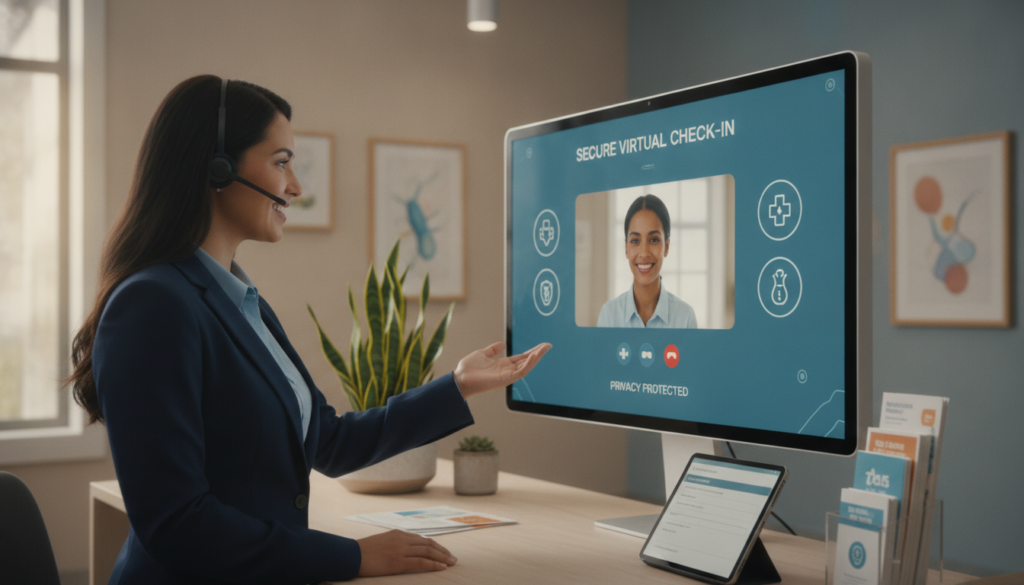
Every problem needs a smart plan. Good policies, training, and watching over things can help. Here are big issues that make following rules hard.
Technology Limitations
Old apps often don’t have strong encryption. This makes data at risk. Using new, HIPAA-compliant tools helps avoid breaches and keeps patients’ trust.
Misunderstanding of Requirements
Some staff think only certain areas need to follow rules. This misunderstanding can leak private info. Teaching everyone about compliance helps keep data safe.
Patient Resistance
Patients sometimes worry about online safety. Being open about secure online services helps. A BAA virtual front desk that explains privacy can make patients feel better about sharing info online.
| Challenge | Impact | Suggestion |
|---|---|---|
| Technology Limitations | Encryption shortfalls | Adopt newer tools |
| Misunderstanding Requirements | Staff confusion | Offer structured training |
| Patient Resistance | Lack of trust | Promote transparent practices |
Steps to Achieve HIPAA Compliance
Strengthen your practice by focusing on careful risk management. Look at your current processes and fix any gaps in data protection. This helps make your virtual check-in HIPAA compliant, making patients trust you more and following the law.
Conducting a Risk Assessment
Find weak spots in your health data system with detailed checks. Look at network vulnerabilities, check who has access, and improve how patient info is stored. Regular checks help avoid breaches and keep you compliant.
Developing Policies and Procedures
Make clear rules for handling protected data. Everyone needs to know the privacy rules. This makes things clear and keeps patient info safe.
Implementing Secure Technologies
Use encryption, reliable EHRs, and strong login methods. Strong platforms protect medical info and lower the chance of unauthorized access. A HIPAA compliant virtual check-in needs these secure tools.
| Step | Description | Key Safeguard |
|---|---|---|
| Risk Assessment | Uncover system gaps through periodic reviews | Access Controls |
| Policy Creation | Outline daily protocols for staff | Documentation Standards |
| Secure Tech | Adopt encryption and valid EHRs | Data Encryption |
Best Practices for Virtual Check-Ins
Your way of doing virtual check-ins affects how patients see their care. A good start is clear rules to keep health info safe and respect privacy.
Clear Communication with Patients
Clear messages about when and how to meet saves time and avoids mix-ups. You can check who the patient is safely and explain how to use online portals. A kind tone helps build trust in your virtual services.
Documentation of Patient Interactions
Keeping detailed records of each visit is key to patient safety. You get consent and update info during these meetings. Accurate logs meet legal needs and show HIPAA certified agents’ dedication to privacy.
Regular Audits and Compliance Checks
Regular checks find and fix any data security issues. You update software and policies for patient access. This keeps your care top-notch and shows you’re serious about quality.
“A thorough identity verification process fosters patient trust and safety.”
Protecting Patient Data During Virtual Interactions
You need secure workflows to keep patient info safe in every online meeting. This means checking identities, controlling who sees records, and signing agreements. A BAA virtual front desk helps make these steps easier, so you can focus on helping patients.
Understanding Protected Health Information (PHI)
PHI includes any info that can identify a person. This includes billing data, medical reports, and even conversations and contact details.
Safeguarding Data during Check-Ins
Encryption and strong passwords protect sensitive info. You only collect the most important data to lower risks. Training staff helps everyone follow the rules and keep patient info safe.
Incident Response Plans
Having clear breach notification policies is key. Quick action helps limit damage and shows you care about patient info. With a BAA virtual front desk, you have a plan to protect patient data at every step.
The Role of Telehealth in Compliance
Telehealth has grown a lot in recent years. This is because of the need for care from home during the pandemic. You can make it easier for patients to get help through video calls and online platforms.
This method needs careful planning to keep patient data safe. A HIPAA compliant virtual check-in is key to keeping privacy and trust.
Integrating Telehealth Services
Telehealth works well with old ways of healthcare. It makes scheduling and talking to doctors easier. You can get to specialists faster, which is great for people in rural areas.
People like the flexible times and don’t have to travel as much. It’s important to make sure virtual and real-life records match up. This keeps everything organized and patient info safe.

Regulatory Considerations for Telehealth
Telehealth rules change from state to state. You might need to get licenses in more than one place. Before you start, make sure you follow all the rules.
The Centers for Medicare & Medicaid Services (CMS) has rules to keep data safe. They want standard ways to protect patient information.
Training for Telehealth Providers
Doctors need special skills for talking to patients online. They must check who the patient is, use e-prescribing tools, and send data safely. A HIPAA compliant virtual check-in helps them follow rules and lowers risks.
This helps your services meet changing patient needs better.
Legal Implications of Non-Compliance
Ignoring important rules can hurt your practice a lot. Not protecting patient data can cause big problems. These problems can hurt your work, use up resources, and make patients lose trust.
Potential Penalties for Violations
Not following rules can lead to serious issues. You might face:
- Big fines
- Criminal charges if you ignore rules on purpose
- Damage to your reputation
Using HIPAA certified check-in agents can help. They help you follow HIPAA rules and avoid big problems.
Case Studies Showing the Consequences
Some clinics have lost a lot because of bad data handling. When patient info gets out, it scares people and gets you in trouble. Having clear rules and trained staff can prevent these issues.
Importance of Staying Compliant
Having strong security with HIPAA certified check-in agents keeps patient info safe. Following rules well keeps your reputation strong. Health services that follow rules well have fewer problems and keep a good name.
Future Trends in HIPAA Compliance and Technology
Healthcare is changing fast with new digital tools. Telehealth is making appointments easier, but we need better privacy controls. AI is also getting smarter, but every tool needs a BAA virtual front desk to keep data safe.
Staying ahead means watching for new threats. Ransomware attacks show how important your security is. Keep checking your data-sharing and encryption to stay safe.
Emerging Technologies in Healthcare
Look out for chatbots, better telehealth pay, and voice tools. They make your work easier and help patients more. But, they also need clear rules to keep HIPAA safe.
Predictions for Virtual Patient Interactions
Patients might get smarter platforms, like AI help and easy scheduling. A BAA virtual front desk is key when working with others to stay compliant.
Regulatory Changes on the Horizon
New rules might cover more, like cross-state licenses and better data protection. Telehealth could grow too. You’ll need to change fast to keep patient info safe and trust.
Resources for Ensuring Compliance
Managing HIPAA standards needs good sources. The U.S. Department of Health & Human Services (HHS) has federal guidelines. Official HIPAA checklists help make sure you meet all the rules. Using these tools helps make virtual check-ins safer.
Government Resources and Guidelines
The HHS website explains the HIPAA Security Rule well. It tells you how to handle patient data online. Checking federal sites often keeps your organization up-to-date with new rules.
Compliance Training Programs
Special courses help teams understand complex rules. They use real examples and activities. This helps staff feel sure about handling private data.
Professional Organizations and Support
Groups like the American Telemedicine Association share best practices. Licensing boards and associations send alerts. Being part of these groups helps you keep care safe and secure.
Conclusion: Importance of Compliance in Modern Healthcare
You build trust with patients by keeping their info safe. This means doing regular checks, training staff well, and using strong encryption. These steps protect every virtual meeting.
Summary of Key Points
A BAA virtual front desk makes a safe space for patient data. It makes sure any shared info follows the law. By checking for weak spots and using secure tech, you fight off threats.
The Ongoing Challenge of Compliance
Rules change, and you must update your ways. Keeping your team informed helps avoid mistakes. With telehealth growing, you must be extra careful with sensitive info.
Ensuring Patient Trust and Safety
Your steady work in auditing, encryption, and training builds trust. It shows you care about patient privacy and dignity. Being ready for new rules keeps your patients and your practice safe.