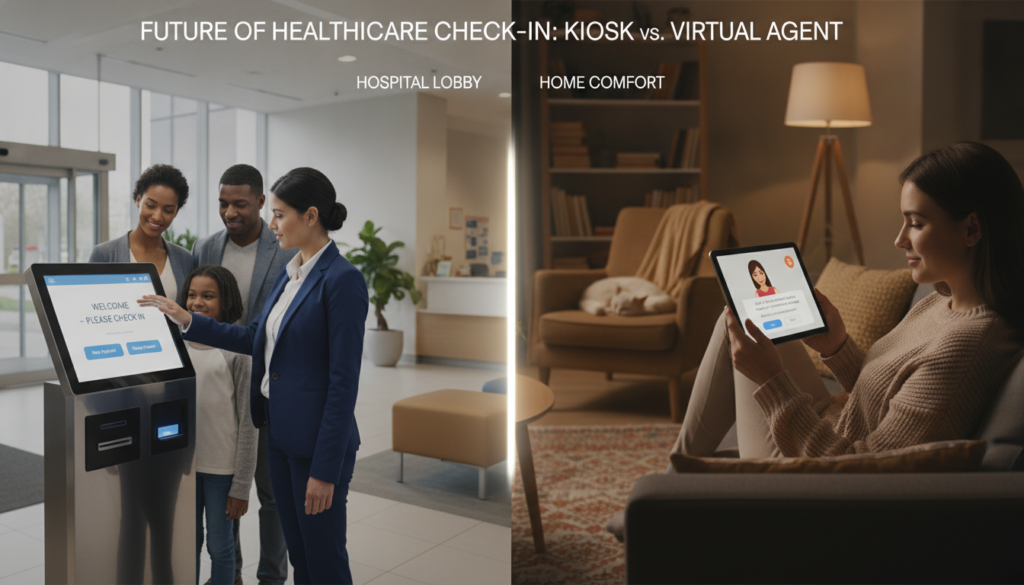
Did you know nearly one out of three follow-up appointments miss out when there’s no referral coordination? This leads to confusion, missed care, and fewer chances to close the referral loop.
A modern check-out is more than just paying bills. It’s about guiding patients to their next steps. Referral coordination checkout is about more than just receipts. It’s about giving patients clear directions so they feel supported when they leave.
By automating referrals, you cut down wait times and paperwork. This lets your staff focus more on patient care. It also makes the final touchpoint better, closing the referral loop with confidence.
Key Takeaways
- Referral coordination checkout boosts patient follow-up.
- Clear handoffs reduce confusion and speed up care.
- Automation alleviates staff burdens and paperwork.
- A smooth exit elevates patient satisfaction.
- Closing the referral loop leads to better outcomes.
Understanding Referral Coordination in Check-Outs
When you add a strong referral system at checkout, you make the end process smoother. This method, often aided by software, ensures a smooth transition.
What is Referral Coordination?
It’s a way to connect people with the right services or professionals. A good system can handle referrals and link with EHR databases. By scheduling referrals at checkout, you help people book sessions right away. For more on how to streamline, check out this resource.
Importance of Referral Coordination
It ensures appointments are confirmed and data is shared with specialists. This reduces missed follow-ups. Your team also gets to do less repetitive work. It keeps everything on track and makes patients happier.
| Feature | Benefit | Implementation Tip |
|---|---|---|
| EHR Integration | Consolidates patient data | Sync software updates with existing databases |
| Automated Scheduling | Reduces coordinator workload | Configure alerts for every referral scheduling at checkout |
| Real-Time Notifications | Improves response speed | Set up secure channels for instant communication |
The Evolution of Check-Out Processes
Check-out workflows have changed a lot. Payment counters used to handle cash and schedule manually. Staff worked on each transaction alone.
Technology improved in stages, focusing on quality and efficiency.
Historical Overview of Check-Out Systems
Epic and Athena introduced early electronic modules for referrals. The idea of closing the referral loop was not a big deal. You had to deal with paper forms and spreadsheets separately.
Modern Innovations in Check-Out Technology
Now, AI-driven platforms automate workflows, making check-out easier. Hand-offs to specialists happen smoothly, and insurance info moves without manual entry. Digital reminders cut down on no-shows and boost patient follow-up.
New systems make care smoother and patients happier. Automated updates keep your team in the loop, improving accountability. Each step builds stronger relationships and encourages timely follow-ups.
| Phase | Key Method | Main Benefit |
|---|---|---|
| Early Check-Out | Manual Recording | Limited Efficiency |
| Modern Check-Out | AI-Powered Integration | Higher Accuracy |
Key Components of a Successful Check-Out Workflow
A smooth check-out routine needs a few key systems. The right mix makes every transaction smooth, keeps records accurate, and keeps customers happy. This lets you focus on service while building stronger patient connections.
Payment Processing Systems
Secure payment solutions are key for quick collections. Tools like Square or Stripe make card transactions fast. They work with your software to update records and track payments.
This setup lets staff focus on other important tasks. They can help with referral scheduling at checkout, giving more time for personal service.
Inventory Management Integration
Many providers use advanced tracking tools. These tools sync supplies with orders in real-time. They help spot patterns in product usage and plan purchases.
Your team can use this data to reduce errors and meet demand faster. This makes your service more efficient and reliable.
Customer Relationship Management Tools
A strong CRM collects data from patient visits and organizes feedback. It shows key opportunities for strategic talks, like referral coordination at checkout. By automating these steps, you offer more personalized experiences.
This guides clients to the right services, making your service more effective.
The Role of Referral Coordination in Retail
Retail places help customers at every step. You build loyalty with referral strategies at checkout. A closed-loop approach can lead to more visits and trust.

Enhancing Customer Experience
Offer a smooth transition with follow-ups or service recommendations. This makes a good impression and keeps customers coming back. It also keeps them interested in your brand.
Boosting Sales Through Referrals
Connecting customers with other products or services can increase sales. Closing the referral loop helps build ongoing relationships. Pharmacies and retail-health facilities can offer more value by keeping customers in-network.
| Action | Outcome |
|---|---|
| Referral Scheduling at Checkout | Elevates in-store loyalty and nurtures future visits |
| Partner Collaboration | Brings mutual brand enrichment and expanded reach |
| Discount-Based Referrals | Encourages more frequent purchases and recurring orders |
Overcoming Challenges in Referral Integration
You might find data mismatches or hard workflows when adding referral scheduling at checkout. EHR-native modules might not automate well, and manual tasks can overwhelm your team. This can slow down your efforts to make referral coordination smooth.
Combining different systems needs careful planning. A multi-location approach often means working with third-party apps and improving internal steps. Making sure systems work well together cuts down on extra work and quickens updates. Better networks and EHR add-ons also help keep communication flowing smoothly.
Technical Barriers and Solutions
Front-desk teams might face issues with old tools or spreadsheets. Adding referral scheduling tools that link with main software can help. Start by testing upgrades in one spot, then expand to more. Clear rules and easy steps help avoid mistakes and confusion.
Staff Training and Adaptation Strategies
Your team is key to success. Give them direct training, ongoing support, and clear guides. Show them how referral coordination helps, and they’ll work better, faster, and with more confidence.
| Common Challenge | Potential Solution |
|---|---|
| Repetitive data entry | Automated sync between EHR and referral software |
| Overwhelmed staff | Focused training sessions and step-by-step guides |
| System hiccups | Pilot test upgrades, then roll out across locations |
Best Practices for Implementing Referral Coordination
Good strategies make tasks easier and clear. Using the same system in every department helps everyone stay in sync. This way, updates flow smoothly, and you can track everything in real-time.
Streamlining Communication Channels
Good handoffs between teams cut down on delays. Using platforms that send out notifications automatically helps a lot. This way, data is shared quickly, and you avoid doing the same thing twice.
Utilizing Customer Feedback Effectively
Listening to what customers say makes things better. Surveys and CRM prompts help you find out what’s not working. This helps you fix any issues and keep improving.
| Implementation Method | Benefit | Suggested Action |
|---|---|---|
| Unified Communication Tool | Fewer Misunderstandings | Adopt a shared messaging menu |
| Feedback Surveys | Faster Refinement | Incorporate brief questionnaires |
| Real-Time Notifications | Instant Visibility | Activate automatic alerts |
Analyzing the Impact of Referral Coordination
Looking into how referral coordination checkout affects patients or customers is key. By focusing on data, you can make each step better. This makes sure your approach stays effective and meets needs well.
Metrics for Success
Success is shown by high completion rates, quick turnaround times, and fewer no-shows. These signs show how well teams work together. They highlight the value of good coordination.
Time saved by coordinators shows the practical benefits. It lets you see the real value of your efforts. Fewer missed referrals mean a smoother process.
Case Studies of Effective Integration
A big FQHC used new platforms and cut missed follow-ups in half. This shows how a clear plan helps everyone stay on track. When referral scheduling is part of your workflow, you see better engagement from the start.
By studying these examples, you can learn to improve your strategies. This helps you make your process even better.
Tools and Technologies for Referral Coordination
Using easy-to-use platforms can help with referral coordination. Tools like Epic, Athena, and Luma Health make it easy to schedule and pay for services. They help you keep track of the patient’s journey, ensuring quick follow-ups and clear communication.

Referral management software sends real-time updates and keeps data safe. It also has analytics to find and fix service gaps fast.
Referral Management Software
These platforms share data instantly, ending the need for separate records. They have dashboards that show patient progress. This keeps you updated and makes workflows smoother.
APIs and Integration Platforms
API-based tools create a central hub for patient information. They link data from different providers, ensuring all referrals are recorded. This helps close the referral loop and avoids team miscommunication. Check out guidelines for the best ways to use these tools.
Building Partnerships through Referral Coordination
Working with local experts, labs, or groups helps your customers at checkout. You give them many choices. This makes them loyal, confident, and happy.
This approach makes your brand stronger. It also makes booking easy and fast.
Collaborating with Other Businesses
Team up with LabCorp or Quest Diagnostics for easier referrals. This way, customers get quick access to services. It builds trust and support for your audience.
Benefits of Affiliate Programs
Affiliate programs grow your market and increase earnings. Partners send clients for quick solutions. Your checkout becomes a place of opportunity.
- Shared marketing resources
- More brand visibility
- More services under one roof
These partnerships make your brand stronger. They bring in ongoing referrals, making every customer visit better.
The Future of Referral Coordination in Check-Out Processes
The world is changing fast, with new tech making patient care better. AI tools from big names like Epic are getting better at helping. They make referral work smoother, from start to finish.
Anticipated Trends and Developments
New tech like voice scheduling and fast payer approvals is coming. It makes your work easier and patients happier. These changes help you do your job better.
Adapting to Changing Consumer Behavior
Patients want quick and personal service. Focusing on referral work helps you meet this need. Staying up-to-date with tech and listening to patients keeps you ahead.
Legal and Ethical Considerations
Protecting sensitive data is key when you schedule referrals at checkout. This builds trust with your clients and patients. It shows you care about their privacy.
Compliance with Data Protection Regulations
Following rules like HIPAA in the U.S. is a must. You must keep data safe and share it legally. This keeps everything secure and follows the law.
Transparency in Referral Practices
Being open about benefits or incentives is important. It helps people trust you more. When you explain how referrals help, you show you care about their well-being.
| Key Regulation | Ethical Focus | Benefit to Organizations |
|---|---|---|
| HIPAA | Privacy and Security | Strengthened Patient Trust |
| Payer Policies | Data-Sharing Compliance | Reduced Legal Risks |
| Affiliate Disclosures | Honesty in Motives | Long-Term Credibility |
Conclusion: The Value of Referral Coordination in Modern Commerce
Your checkout process is key in your healthcare practice. A referral coordination checkout plan brings order and clarity. It helps your staff handle patient handoffs quickly and builds trust with each visit.
By focusing on closing the referral loop, you improve communication. This makes care transitions smoother, reduces paperwork, and boosts patient satisfaction. These changes can lead to more revenue and a strong reputation in your community.
Adopting this practice keeps you in line with changing expectations. It makes care experiences smoother. A well-structured system promotes better follow-up and long-term success.
Your focus on referral coordination ensures your team moves smoothly from one step to the next. This keeps operations efficient and motivates patients to return. It also strengthens ties with outside specialists, setting the stage for future growth.