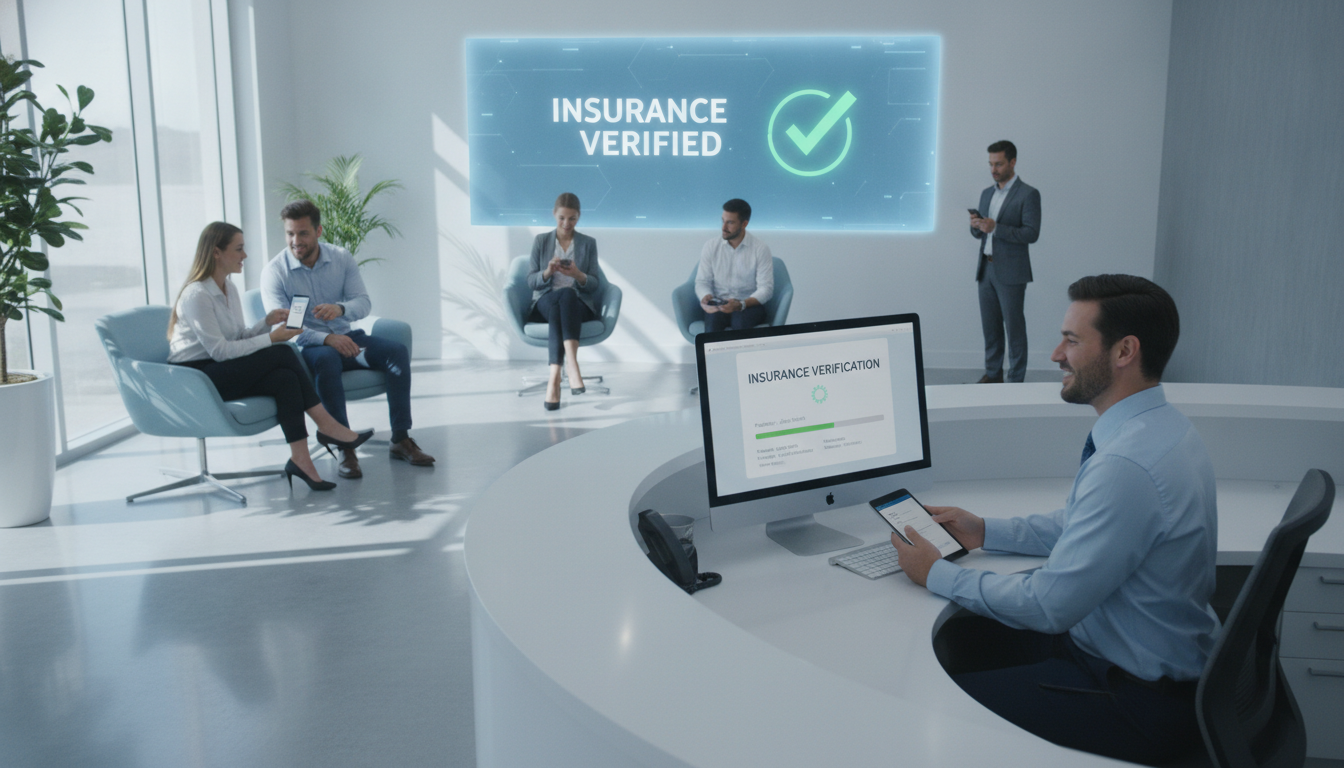
Almost four in ten adults in the United States have faced unexpected medical bills in the last year. Real-time insurance verification can help avoid these extra costs. It checks your coverage in seconds.
Checking insurance used to be slow and often wrong. Now, digital checks can spot coverage gaps right away. This means you know what you’ll pay before treatment starts. It builds trust with your healthcare provider by avoiding billing surprises.
Key Takeaways
- Real-time insurance verification gives you an instant view of coverage details
- It reduces inaccurate billing and lowers the chance of claim rejections
- Digital checks replace slow and error-prone manual methods
- Healthcare providers find it easier to explain payment obligations
- Patients feel more confident and informed at check-in
Understanding Real-Time Insurance Verification
Real-time insurance verification gives you clear coverage details at the start of each visit. It helps your team avoid missed copays or policy status confusion. This way, you stay away from billing mistakes that hurt trust and cause unexpected costs.
Definition and Importance
It’s about checking your policy status and benefits right away. Automated systems check if coverage is active and what you might have to pay. This stops claim denials and keeps your practice financially stable for everyone.
How It Works
Systems like EDI 270/271 or modern APIs quickly check your coverage. They confirm if your plan is good and what you’ll pay for services. You get answers fast, without long phone calls.
Key Technologies Involved
Automation and AI power these checks in systems like Epic or Cerner. Your practice management system uses data to show deductibles and copays. This stops billing surprises and makes each patient’s visit smoother.
| Technology | Benefit | Example |
|---|---|---|
| EDI 270/271 | Faster responses | Instant eligibility checks |
| APIs | Seamless integration | Real-time data exchange |
| AI Solutions | Streamlined workflow | Automated verification |
The Benefits of Real-Time Verification
Real-time insurance checks make your front desk work better. No more long waits for answers. Your team can help patients faster, not stuck on phone calls.
Enhanced Patient Experience
Patients relax when they know their insurance is good. Quick checks mean less waiting. They get more care time, building trust and loyalty.
Improved Financial Outcomes
Automation makes your team work better and faster. Fewer unpaid claims mean more money for you. Learn more about these benefits in this resource.
Reduced Claim Denials
Right data means claims go through without trouble. Fewer denials mean happier payers and less stress for you. It’s a win-win for everyone.
Common Billing Surprises in Healthcare
Many patients face unexpected costs when they forget about policy changes. You might think you’re covered, but then you get hit with fees. This can happen if your coverage status changes or if your deductible info is outdated.
Real-time insurance verification can help you avoid these surprises. It keeps your information current and prevents claim denials.
Unexpected Charges at Check-In
You might get a surprise fee when you arrive for your appointment. This can happen if your policy has expired or if there’s a mistake. Staff who check your insurance in real-time can help avoid these extra costs.
Impact on Patient Satisfaction
Financial surprises can make you lose trust in your healthcare provider. When unexpected costs pop up, it can be stressful. Quick verification makes your visit smoother and more reassuring.
Examples of Billing Discrepancies
You might get a test that’s not covered by your policy. Or you might find out your deductible has changed. These issues can lead to big bills unless staff check your benefits right away.
| Surprise | Potential Cause | Preventive Step |
|---|---|---|
| Unplanned Co-pay | Plan Policy Changes | Confirm Coverage Details |
| Extra Procedure Fee | Outdated Deductible Info | Use Real-Time Verification |
| Missed Benefit | Incorrect Insurance Data | Check Benefits at Check-In |
The Role of Technology in Insurance Verification
Technology makes insurance checks faster. It gives you quick answers that save time and keep info right. This system uses digital tools that make daily tasks easier and build trust with patients.

Electronic Health Records Integration
EHR tools connect your systems with payers. This cuts down errors in coverage info. Your patient records stay up-to-date, helping you avoid delays in insurance checks.
Cloud-Based Solutions
Cloud platforms handle big insurance data without using your local resources. They do coverage checks fast, making your team’s work easier. This setup keeps you updated on billing and helps get claims approved quickly.
Mobile Apps for Verification
Mobile apps let you check coverage anytime, anywhere. They’re great for small clinics or teams on the move. This quick way to check insurance boosts your care speed and patient happiness.
Real-Time Verification and Patient Engagement
Knowing your insurance details right away makes talking to your doctor easier. It’s clear what you’ll pay before you start treatment. This makes you feel more confident and fair.
Doctors use real-time checks to give you the right cost estimates. This shows who is paying what, helping you talk about other options. It also stops surprises later by checking benefits early.
Empowering Patients with Information
Having important info easily accessible makes choosing care easier. Staff can explain your policy, telling you what’s covered and what’s not.
Reducing Anxiety about Costs
Worries about unexpected bills go away when you talk about costs upfront. Clear billing makes you feel safer and more secure.
Encouraging Proactive Communication
Talking about what you might have to pay is easier. This openness lets you look at payment plans and schedule changes without worry.
Industry Standards for Insurance Verification
Following industry guidelines for real-time insurance verification keeps patient data safe. It also makes billing more consistent. HIPAA-standardized 270/271 transactions help move data smoothly between providers and insurers.
This setup meets your healthcare needs while protecting sensitive info. You build trust by encrypting patient data and limiting access to only those who need it. This reduces the risk of data breaches and keeps personal and financial info safe.
Best practices include regular system checks and training staff on how to ask for eligibility correctly. Following EDI or API standards helps improve accuracy and saves time. It makes it easier to submit claims and check benefits.
Payer guidelines help align your policies with best practices. They show how to handle prior authorizations and eligibility checks clearly. Following these guidelines ensures consistent results and better teamwork among all parties.
| Compliance Factor | Benefit |
|---|---|
| HIPAA 270/271 Transactions | Secure Data Exchange |
| Staff Training | Accurate Coverage Requests |
| Payer Guidelines | Timely Approvals |
Key Players in the Real-Time Verification Market
The real-time insurance verification market has top insurers, health IT leaders, and clinical partners. You get quick coverage info and smooth billing. This avoids claim denials and makes patient onboarding faster.
Major Insurance Companies
Big names like UnitedHealthcare and Anthem share data securely. They update your system with coverage info fast. This makes your workflow smoother and builds trust.
Tech Providers in Health IT
Epic Systems and NextGen Healthcare offer fast patient plan checks. Their tools help with real-time verification. This means fewer billing issues for you.
Collaborations with Healthcare Providers
Hospitals and clinics team up with tech and insurers. This network boosts accuracy and lowers financial risks. It makes check-in easier and improves patient happiness.
| Entity | Core Role |
|---|---|
| UnitedHealthcare | EDI integration for instant coverage updates |
| Epic Systems | Real-time platform for policy verification |
| Clinic Partners | Collaborates with insurers to reduce claim risk |
Challenges in Implementing Real-Time Verification
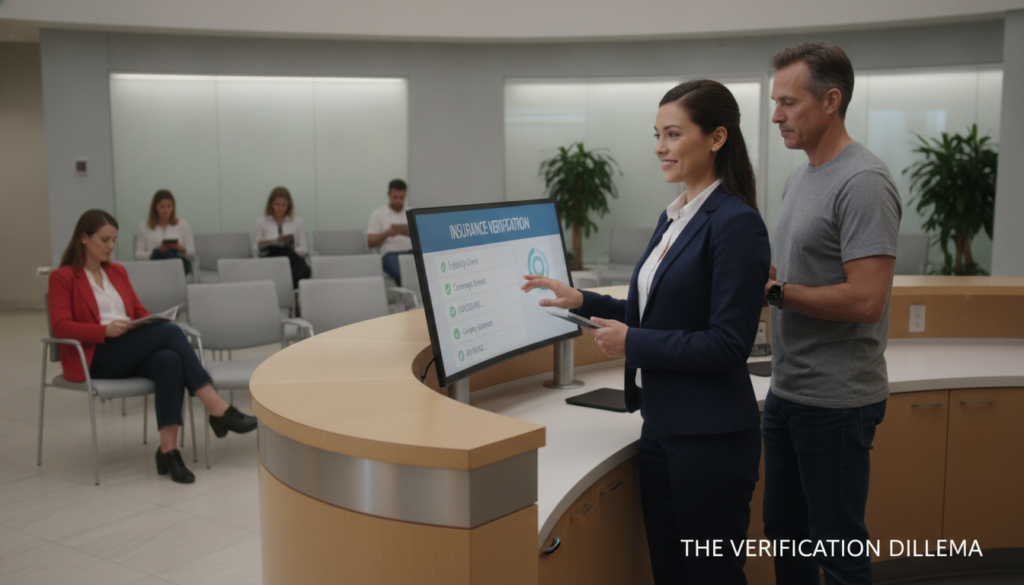
New software needs clear direction to succeed. You might see big benefits in real-time insurance checks. But, picking and keeping the right system takes ongoing effort.
Data, system fit, and staff readiness are key. They decide if these tools really work as promised.
Data Privacy Concerns
Encryption and HIPAA rules are key for safe data handling. They protect patient info from breaches. Without these, trust is lost, and clinics face penalties and bad reputations.
Integration with Existing Systems
Old systems, like Epic or Cerner, might not work with new tools. This can cause confusion and extra work. Good planning and testing help keep things running smoothly.
Training Healthcare Staff
Staff used to manual calls might be hesitant about new tech. Without training, they might not use new tools well. A good training plan helps them feel confident and keeps things running smoothly.
| Challenge | Impact | Solution |
|---|---|---|
| Data Privacy | Risk of breaches and legal action | Use encrypted platforms |
| Integration | Possible data duplication | Plan technical steps early |
| Training | Lower tool adoption | Provide guided instruction |
Real-Time Verification in Different Healthcare Settings
Knowing your insurance coverage helps you make smart choices and avoid surprise costs. Real-time insurance checks save time and reduce paperwork. They also help you avoid claim denials. Every minute is precious.
Hospitals and Emergency Care
Hospitals deal with urgent cases fast. Quick access to insurance info helps avoid billing delays. It also supports accurate treatment plans and lets staff focus on critical care. Real-time verification gives quick answers for fast decisions.
Outpatient Clinics
Same-day clinics and urgent care see patients quickly. Having up-to-date records lets you check eligibility right away. This leads to smoother patient flow and less chance of denied claims.
Telehealth Services
Telehealth brings care to your home, but coverage doubts can slow things down. Instant verification clears up cost worries from the start. It makes patients feel secure and keeps billing cycles running smoothly.
| Setting | Benefit |
|---|---|
| Hospitals | Faster emergency decisions, fewer billing holdups |
| Outpatient Clinics | Speedy check-ins and reduced administrative stress |
| Telehealth | Transparent pricing and smoother online consultations |
Case Studies: Successful Implementation
Ever wondered how places cut down on billing surprises and keep patients feeling secure about costs? Many places use real-time insurance checks to solve this. These checks show coverage details right when you sign in. This leads to fewer denied claims and less confusion at check-in.
Cases of Reduced Billing Surprises
Boston Medical Center started using a system for checking insurance. Patients got clear cost info upfront. This cut down on denied claims and lessened billing mistakes for staff.
Impact on Revenue Cycle Management
Quick checks meant faster payments. Your place could see less money owed with smoother claim sending. Teams found stable finances with predictable income.
Patient Testimonials
People say they feel better knowing their copay details before any treatment. They like knowing what to expect financially. This builds trust and loyalty, showing how reliable checks reduce stress.
Future Trends in Insurance Verification
The world of real-time insurance verification is changing fast. New AI systems make phone calls to payers quickly. They check if coverage is good in seconds, making things clear for you and your patients.
This change helps you avoid problems with claims. It finds coverage gaps that were hidden before.
AI and Machine Learning Applications
These tools get smarter fast. They learn from billing data and rules quickly. They check patient histories and update records fast, keeping your team in the loop.
Evolution of Policy Coverage
Insurance companies keep changing what they cover. More people are getting plans that let them choose what they pay for. Real-time updates keep payment info right, reducing disputes and building trust.
Shifts in Consumer Expectations
People want to know costs right away. Real-time checks meet this need. You make check-in smoother and keep patients coming back.
| Trend | Description |
|---|---|
| Automated Calls | AI contacts payers and validates coverage in seconds |
| Policy Adjustments | Frequent updates for accurate benefit details |
| On-Demand Info | Instant disclosure of eligible services and costs |
Conclusion: The Path Forward
Real-time insurance verification makes things clear and quick. It builds trust by checking coverage right away. This stops patients from getting unexpected bills.
Places that use these digital tools face less risk of denied claims. They also see higher satisfaction rates. This insightful resource shows how important timely checks and better data are.
Importance of Adoption
Using real-time insurance checks strengthens your revenue cycle. It cuts down on manual fixes and avoids claim denials. This makes your billing smoother.
Advocacy for Better Systems
Work with payers and health IT makers to make real-time checks common. This makes patient info easy to keep up with. It also keeps things the same across different systems.
Call to Action for Healthcare Stakeholders
Get your team to use efficient coverage checks. Train them to handle new ways of working. Your focus on consistent checks helps with safer billing and better patient care.