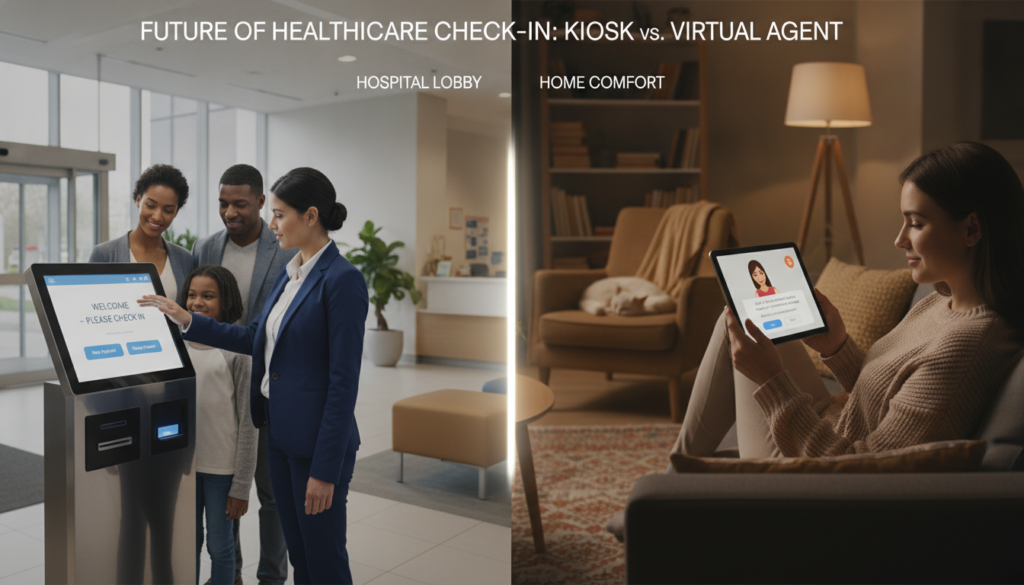
More than half of healthcare groups in the U.S. manage at least three clinic sites. Each new site adds costs and makes things more complex for your front desk team. A virtual check-in strategy helps manage this and keeps patients on schedule.
Start by moving to a virtual check-in for your clinics. Using AI tools for check-in tasks helps keep things consistent everywhere. Epic and Cerner have adopted these solutions for a smooth workflow at each clinic.
Key Takeaways
- A unified check-in model cuts unnecessary overhead.
- Technology tools lower manual tasks for front desk teams.
- Consistent patient experiences improve reputation and trust.
- AI-driven platforms keep each location on the same page.
- Scalable systems foster growth when you add new clinics.
Understanding Multi-Location Practices
Running more than one healthcare site can stretch your resources. It can also create uneven patient experiences. You might face staffing shortages, high overhead, and varied regulations.
Consistency is key to preserving your reputation. It ensures a smooth flow of care.
Staying unified means having a standardized check-in workflow. This promotes brand reliability across every clinic. It sets clear steps for front-desk teams and lowers training costs.
You build trust by giving the same welcoming environment everywhere. Learn practical ways to streamline operations by exploring this resource.
Defining Multi-Location Practices in Healthcare
Organizations with widespread facilities cater to diverse populations. They juggle different processes. Yet, the goal is to deliver quality service to every patient.
Importance of Scalability in Healthcare
A well-rounded system adapts to growth without compromising safety or care. An effective multi-location practice check-in maintains repeatable processes. It alleviates administrative burdens, keeping patients on track for timely visits.
Key Challenges Faced by Multi-Location Providers
Teams often work with scattered technologies, making it hard to unify data across sites. Disconnected operations can waste time and raise costs. Coordination and robust infrastructure are essential for managing expansion and ensuring smooth partnerships among all locations.
Benefits of Virtual Check-In Systems
Adopting these platforms makes every clinic in your network smoother. Patients get real-time updates and easy scheduling. This keeps them happy, no matter where they go.
It also makes life easier for your staff. They have a single process for all clinics.
Improving Patient Experience Across Locations
You make registration and confirmations the same everywhere. Real-time tools give clear appointment portals and reminders. This makes patients happy, no matter where they are.
This method also helps patients feel supported. It reduces confusion about schedule changes.
Reducing No-Shows and Late Arrivals
Real-time reminders help patients remember their appointments. This can cut staffing needs by 25–40%. It makes things more reliable.
Platforms with AI can even lower wait times. This is true for many sites.
Streamlining Administrative Workflows
Automated triggers speed up routine tasks. This frees up time for more important patient interactions. It makes managing multiple clinics easier.
You can focus on quality care. No more juggling the same details every day.
Key Features of an Effective Virtual Check-In System

Your virtual platform has key features for consistency across sites. One dashboard manages everything, making coordination easier. It also lets local sites make changes when needed.
User-Friendly Interface for Patients
A simple layout helps visitors fill out forms easily. This design makes check-in smooth, so patients wait less. They can focus more on their care.
Integration with Existing EHR Systems
Connecting systems keeps important info flowing. It cuts down on data entry, making updates easier. This keeps patient safety high and work more efficient.
Secure Patient Data Management
Strong encryption and strict rules protect patient data. Following HIPAA and other laws builds trust. It shows you value patient privacy at every step.
Choosing the Right Technology for Check-Ins
Finding a good platform for check-ins is key. You want something that works well in many places and can grow with you. A flexible system helps your staff work better and makes patients happier.
It’s also important to integrate with your current EHR and scheduling software. This keeps everything organized. Scalable platforms make training faster and let your team focus on caring for patients.
Factors to Consider When Selecting Software
Make sure the software works with your old systems. This keeps data safe and avoids lost records. Also, think about the cost, as you add more clinics. Look for tools that let you track how well they’re working.
- Interoperability with current CRMs
- AI-ready functionality for future expansions
- Robust security features
Popular Tools and Solutions on the Market
Some tools are great at making check-ins smooth across clinics. A smart check-in reference shows how digital tools can make things more efficient. Studies say centralizing workflows helps staff communicate better.
Customization Options for Your Practice
You can make the interface look like your brand. You can also follow local rules. This makes sure each clinic meets patient needs.
| Solution | Key Feature | Highlight |
|---|---|---|
| Check-In Pro | Automatic EHR Integration | Less manual entry |
| Virtual Desk | Real-Time Analytics | AI insights for patient flow |
| Clinic Manager | User-Friendly Dashboards | Instant messaging features |
Best Practices for Implementing Virtual Check-Ins
Starting a new system can seem scary, but it leads to better teamwork. A multi-location practice check-in needs to be the same everywhere. This way, back-office teams know how to handle arrivals and patient info.
Keeping things the same everywhere is key. Start by testing it in a few places first. This helps find and fix problems before it’s used everywhere.
Training Staff for a Smooth Transition
Teaching your team well is important. Use clear instructions and online guides. This helps everyone know their job well.
New employees can look up info anytime. This cuts down on confusion and makes everyone work together better.
Communicating Changes to Patients
Telling patients what’s new is good. Explain the virtual check-in steps to calm their fears. Share this info in reminders or on your website.
Highlight how it saves time and makes things easier.
Monitoring System Performance and Feedback
Keep checking how things are going. Use feedback and dashboards to see what’s working and what’s not. This way, you can always make things better.
Overcoming Resistance to Change
New processes can slow things down. Early supporters help move things forward. A clear plan of what you’ll get back helps others decide.
Local managers might worry about changes. Getting them involved early helps build trust.

Engaging Stakeholders from Different Locations
Inviting everyone to share ideas helps a lot. Local teams can spot special needs. This makes everyone feel like they own the plan.
Open talks make everyone feel important and supported.
Highlighting the Long-Term Benefits
Reaching goals early sets a good start. Making front desk work better saves time and cuts down on boring tasks. Better patient care and less paperwork calm fears about new tech.
Addressing Concerns about Technology Use
New tech doesn’t replace people, it helps them. Training sessions ease worries. Showing how easy it is to use helps people see its value.
When people see the good, they start to support growth and teamwork.
Case Studies: Success Stories of Multi-Location Check-Ins
Real-world examples show how digital tools can make clinic operations easier. Centralizing efforts can cut staffing costs and improve service quality. A multi-location practice check-in ensures consistency across all facilities, laying a strong foundation for growth.
Example 1: A Nationwide Dental Practice
Aspen Dental used one client portal for all appointments. This move cut down wait times and let patients fill out forms online. It also made sure each branch followed the brand, with small local changes.
Example 2: A Regional Family Medicine Network
Sutter Health used AI chatbots to manage appointments and answer patient questions. A test showed how fast feedback and updates helped. Local changes were made to meet community needs, keeping operations smooth.
Lessons Learned from These Implementations
Training staff and educating patients are key. Launching in phases helps refine features before a full rollout. This approach keeps disruptions low. Centralizing and keeping branding consistent offers big benefits for all.
| Focus Area | Solution | Outcome |
|---|---|---|
| Dental Practices | Shared Portal | Lowered Overhead |
| Family Medicine | AI Chatbots | Smoother Check-Ins |
Cost Considerations for Virtual Check-In Solutions
Getting a virtual system can change how you spend money. You might save on overhead by moving tasks to a virtual team. AI tools can cut costs by up to 30% without hurting patient care.
Initial Setup and Ongoing Operational Costs
First, you’ll need to pay for software licenses. You might not need to buy new hardware. Training is a big cost, as each clinic needs staff who know the new system well.
Monthly fees for upkeep and subscriptions add up. But, making things run smoother can help cover these costs.
Potential Return on Investment
Less traffic at the front desk means you might need fewer staff. Fewer no-shows also help things run better. When patients can easily book, you make more money.
This way, you can grow your front desk across many clinics more efficiently.
Budgeting for Technology in Multi-Location Practices
Check your budget before adding new tech. Think about extra features or integrations that improve patient interaction. A good budget helps you see how things improve and stay on track with new needs.
| Cost Factor | Key Insight |
|---|---|
| Upfront Software Fees | Licenses and initial setup expenses |
| Training and Onboarding | Staff education across multiple locations |
| Maintenance and Updates | Ongoing subscriptions and system upgrades |
| Potential ROI Gains | Reduced labor costs and higher patient satisfaction |
Regulatory and Compliance Considerations
Keeping data safe and earning patient trust is key. Your check-in process should follow the same rules everywhere. This way, you meet each place’s laws and offer the same care everywhere.
HIPAA Compliance for Virtual Check-Ins
Protecting patient info is a must. Use encryption, do audits, and keep data safe. Make sure your EHR systems work well together to keep things private.
State-Specific Regulations to Watch
Every state has its own rules for health records and online visits. Places like California and New York have their own rules. Keep up with these to stay in line.
Quality Assurance in Patient Data Handling
Good security means training staff and using strong passwords. AI tools need careful watching to keep data safe. Check logs and update software often to keep everything secure.
Future Trends in Multi-Location Practice Check-Ins
You’re entering a new era with digital tools changing how you welcome patients. These tools make managing schedules across different sites easier. They also open doors to new services that make check-ins modern.
The Role of Artificial Intelligence and Automation
AI can handle 60–80% of simple questions, freeing up your team for more patient care. Automation makes experiences the same everywhere, making it easier to grow your front desk. You create a system that cuts down wait times and makes patients happier.
Predictions for Telehealth Integration
More connections will let patients see specialists anytime. This reduces travel and increases care access. Your clinics will stand out by meeting the needs of tech-savvy patients.
Shifts in Patient Expectations Post-Pandemic
Virtual solutions became popular, and patients now want easy online interactions. They want fewer steps in their care. By meeting these needs, you build trust and stand out in a changing healthcare world.
Conclusion: Making the Leap to Virtual Check-Ins
A multi-location practice check-in method can unite your sites. It makes operations grow and work better together. This method also makes managing easier and patient connections stronger.
A standardized check-in workflow cuts down on costs. It also makes patients happier.
Summary of Key Takeaways
Automating intake steps makes your day smoother. Staff can share updates in real-time. Patients get the same care everywhere.
This approach also keeps data safe. It makes following rules easier.
Call to Action for Multi-Location Practices
Look at your processes and find what’s missing. Talk to leaders and staff about new software. Set goals for your team’s digital shift.
Next Steps for Implementation
Decide how you’ll measure success. Look at different tech options. Make a team to help with the change.
This team should listen to feedback. It will help your practice grow and stay stable at every location.