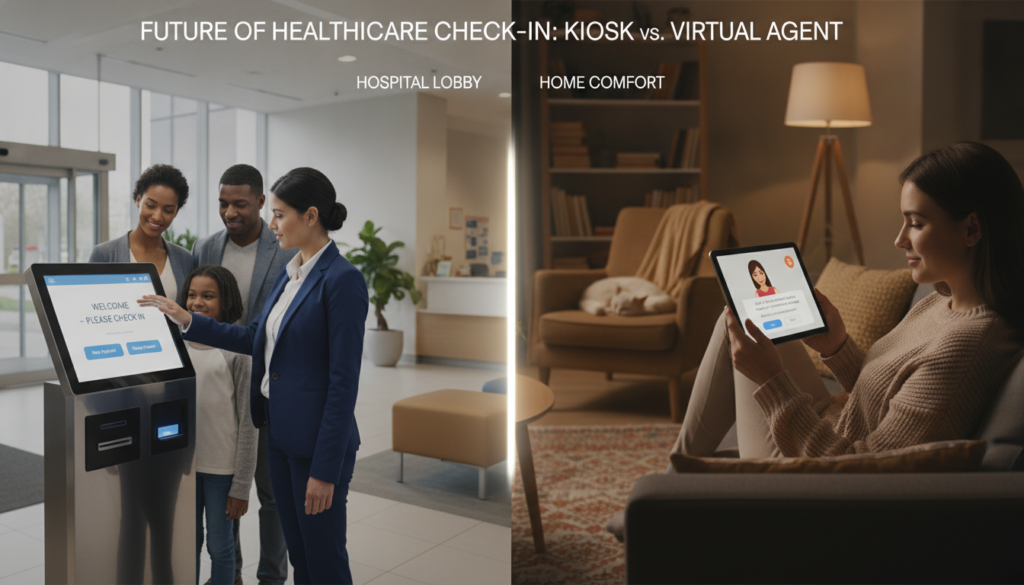
By 2027, 73% of all medical facilities will use remote teams for patient care. This big change is more than just a trend. It’s a total change in hiring and managing medical staff.
The future of virtual healthcare staffing is changing your industry now. Digital change has become a must. Your team faces new challenges in finding the right talent and meeting patient needs.
Technology now leads in building your remote healthcare team. Artificial intelligence makes hiring easier, and flexible work draws the best people. These changes are here to stay, changing healthcare forever.
You must know five big trends for telehealth staffing by 2027. These changes will decide if your team succeeds or fails. From AI in hiring to valuing work-life balance, each trend offers ways to boost your team and better patient care.
Key Takeaways
- Nearly three-quarters of medical facilities will depend on remote teams by 2027, making virtual staffing a core operational strategy
- Technology-driven recruitment tools and AI are transforming how you identify and hire qualified medical professionals
- Flexible work arrangements have become essential for attracting and retaining top healthcare talent in competitive markets
- Digital transformation in healthcare represents a permanent shift, not just a temporary fix for workforce issues
- Understanding emerging staffing trends will help you make strategic decisions that improve both team performance and patient care
- Five critical trends will shape how you approach workforce management and recruitment through 2027 and beyond
The Rise of Telemedicine and Its Impact on Staffing Needs
Telemedicine is changing healthcare fast. It’s now common across many specialties. Your team needs to adapt to these changes quickly.
This shift has changed how you hire and train staff. Telemedicine is here to stay. You must update your staffing plans to keep up.
How Telemedicine Has Grown Exponentially
Telemedicine use has grown a lot, fast. Patients want to see doctors online now. This has happened faster than expected, with adoption rates increasing by over 300% in many places.
Mental health services lead in virtual care. Therapists and psychiatrists use video for sessions. This makes care easier for those far away.
Other areas like primary care and dermatology are also growing. Many conditions can be managed online. Your staffing plans need to reflect this.
Telemedicine use varies by area. Rural places use it more due to fewer doctors. Cities use it for convenience. Knowing this helps you find the right people.
Growing Need for Qualified Virtual Providers
More virtual visits mean more need for skilled staff. Your team faces tough competition for these roles. Each role needs special skills.
Some key roles include:
- Virtual nurses who manage care online and track health data
- Telehealth physicians who see patients online and diagnose
- Remote patient monitoring coordinators who watch health data from home
- Digital health coordinators who connect technology and care
- Behavioral health specialists who do therapy online
These roles need special skills. Your hiring must find people who know both tech and healthcare. Many need training to work online.
Finding good staff is hard because many want them. Healthcare BPO solutions help by finding vetted talent fast. This keeps quality high.
Remote Work Opens New Possibilities
Remote jobs change how you find staff. You can hire from anywhere, not just locally. This opens up new chances.
Remote work brings big benefits:
| Advantage | Impact on Staffing | Key Benefit |
|---|---|---|
| Geographic Freedom | Access to nationwide talent pool | Recruit top specialists anywhere |
| 24/7 Coverage | Distributed teams across time zones | Always have care without burnout |
| Flexible Scheduling | Accommodate diverse work preferences | Attract those who want work-life balance |
| Cost Efficiency | Reduced facility overhead | Save money on each provider |
Remote jobs attract people who can’t work in offices. Semi-retired specialists can work on their own time. Parents can balance work and family.
People in rural areas can now work in big cities. This makes healthcare jobs more accessible. Highlight these benefits in your job ads.
Remote teams can work all day without needing to work nights. This keeps everyone happy and healthy. It’s a win-win for everyone.
Some jobs, like radiology, work well remotely. Mental health services also fit well online. This makes remote work a good choice for many.
The Role of Artificial Intelligence in Staffing
Artificial intelligence is changing how we find and hire healthcare workers. Now, you can check thousands of resumes in minutes, not weeks. This helps find the best candidates quickly and accurately.
AI does more than just look at resumes. It digs deep into data to understand if a candidate fits well with your team. This way, you make choices based on facts, not just guesses.
Intelligent Recruiting and Candidate Matching
AI systems can look at many things at once when finding candidates. They check skills, how well someone communicates, and more. This gives you a full picture of who might be a good fit for your team.
AI is great at finding the right people for the job. It spots skills and experiences that humans might miss. Chatbots even do first interviews, asking questions and checking answers for the right fit.
Video interviews are another big step forward. AI looks at how someone talks, their body language, and more. This helps find the best people for jobs that involve talking to patients online.
- Resume screening algorithms that process applications 75% faster than manual review
- Conversational AI that conducts initial candidate interviews 24/7
- Personality assessment tools that predict team compatibility
- Skill-matching engines that identify candidates for specialized telehealth positions
Predictive Analytics for Workforce Planning
AI can now predict how many staff you’ll need with great accuracy. It looks at past data to forecast patient needs and service demand. This lets you plan ahead, not just react to needs.
AI can also spot when staff might leave. It looks at how engaged they are and their performance. This gives you time to keep them, saving money and keeping your team strong.
AI is key to making the most of your resources in healthcare. It helps plan shifts, prevent burnout, and keep quality high. You can make sure your team is balanced and ready for busy times.
| Analytics Function | Traditional Method | AI-Powered Approach | Efficiency Gain |
|---|---|---|---|
| Demand Forecasting | Manual trend analysis | Machine learning models | 85% more accurate |
| Turnover Prediction | Exit interviews only | Continuous data monitoring | 3-6 months advance notice |
| Schedule Optimization | Static templates | Dynamic algorithms | 30% better coverage |
| Skills Gap Analysis | Quarterly reviews | Real-time assessment | Continuous insights |
Navigating Ethical Challenges in AI Staffing
Using AI in hiring raises big ethical questions. There’s a risk of bias in AI systems, which can reflect old biases. You must check AI decisions regularly to ensure fairness for everyone.
Keeping candidate data safe is also a big challenge. AI systems handle sensitive information, so you need strong security and clear privacy policies. It’s important to tell candidates how their data is used.
Being open about how you make hiring decisions builds trust. Even with AI help, humans should always have the final say. The human touch is vital in choosing the right team members.
Following employment laws is critical when using AI for hiring. Your systems must avoid bias and meet legal standards. Regular checks ensure your AI practices are fair and efficient.
The best teams use AI to help, not replace, human judgment. Technology should help find great candidates while keeping the empathy and judgment that humans bring.
Flexible Work Arrangements and Their Benefits
Healthcare staffing trends for 2027 show that flexibility is key. It’s not just a benefit, but the base of modern healthcare work. Your team’s schedule should fit their life, yet keep patient care top-notch.
This shift opens new ways for employers and workers to rethink medical services. It’s a big change from old scheduling ways.
Flexible jobs in healthcare are more than a trend. They show a big change in what workers want. This change is big for millennials and Gen Z, who value their freedom and work-life balance.
Your ability to adapt to these changes will help you attract and keep top talent. The job market is getting more competitive.

Advantages of Remote Positions for Healthcare Workers
Remote jobs in healthcare offer big benefits. They save time on commuting, giving staff 10 extra hours a week. This time can be used for learning, caring for patients, or personal wellness.
This time gain boosts job happiness and cuts down on burnout. It’s good for your team’s health.
Remote work also means workers can live anywhere with internet. They can earn good salaries without the high costs of city living.
Remote staff can make their workspaces fit their needs. This boosts their productivity. Studies show they’re 27% happier than those in traditional settings.
The future of healthcare staffing is about giving workers the freedom to work best. It’s about ensuring patients get top care.
These benefits are good for your organization too. You can hire from anywhere, not just nearby. This opens up a wider talent pool.
Remote work also saves money. You spend less on office space, equipment, and upkeep. Hybrid models can save 30-40% on real estate costs.
Happy employees stay longer. This saves money on training new staff. It’s a big win for your team and your budget.
Balancing Work-Life and Patient Care
Offering flexible work doesn’t mean sacrificing care quality. It’s about finding a balance. You need systems that keep staff well and care high.
Clear communication is key. You need rules for how remote staff talk to patients and colleagues. This keeps everyone on the same page.
Monitoring staff performance is important. It helps spot issues before they hurt care quality. Focus on outcomes, not daily tasks.
Set clear expectations for when staff should be available. This keeps everyone happy and patients cared for.
- Emergency consultations: Response within 15 minutes during scheduled availability windows
- Urgent patient messages: Response within 2 hours during business hours
- Routine follow-ups: Response within 24 hours
- Administrative communications: Response within 48 hours
Help staff create healthy work-life boundaries. This prevents burnout and keeps care consistent. Remote work needs clear boundaries to keep everyone happy.
Offer resources for stress and wellness. This includes mental health support and time management training. It helps remote workers stay well.
| Balance Strategy | Implementation Method | Expected Outcome | Measurement Metric |
|---|---|---|---|
| Communication Protocols | Written guidelines with response time tiers | Consistent patient communication | Average response time by urgency level |
| Performance Monitoring | Outcome-based dashboards tracking key metrics | Early identification of quality issues | Patient satisfaction scores, completion rates |
| Boundary Setting | Technology tools for work-life separation | Reduced burnout, improved wellness | Staff satisfaction surveys, turnover rates |
| Wellness Support | Mental health resources and training programs | Sustained performance quality | Utilization rates, sick day frequency |
Trends in Part-Time and Contract Staffing
Healthcare staffing trends for 2027 show a big rise in part-time and contract jobs. These jobs offer more flexibility than full-time remote work. Your organization needs to understand these new models and how to use them well.
The gig economy has come to healthcare. It brings new chances and challenges. You need to navigate these carefully.
The healthcare gig economy includes many roles. From telemedicine doctors to project-based nurses. Platforms connect healthcare places with workers for specific times. They handle the hard stuff like credentials and scheduling.
Knowing if workers are contractors or employees is key. Getting it wrong can cost a lot. It depends on control, work for others, permanence, tools, and core business.
Get help from experts in employment law to make the right choices. Many healthcare groups use a mix of full-time and contract workers. This helps during busy times or for special skills.
Integrating contract staff into your team takes effort. They need quick access to patient info and clear rules. Make onboarding fast for contract workers.
Technology helps teams work together, even if some are contract. It keeps patient info safe. Regular meetings help everyone feel part of the team.
Choosing contract or employee staff affects your budget. Contract workers cost more per hour but save on benefits and taxes. Think about the total cost of your workforce, including recruitment and training.
Flexible jobs in healthcare let you adjust staff levels to meet demand. This saves money and keeps care quality high. As healthcare changes, being able to adjust your staff will be key.
Skills and Qualifications for Future Healthcare Staff
The skills needed for virtual medical staff are changing fast. Your team needs to keep up with new trends. This means they must have skills that are different from what they had before.
Being good at medicine is important, but it’s not enough anymore. Your team needs to know how to use technology well too. This mix of skills will help your team succeed in virtual care.
Digital Fluency Beyond Basic Computer Skills
Your virtual healthcare team needs to be very good with technology. They should know more than just how to use email and word processing. They need to know how to use special systems that are new to many people.
They must be able to use electronic health records well. This means they need to know how to enter data and share it with others. This skill is key for keeping patients safe and making sure care is coordinated.
They also need to be good with telehealth tools. This includes using video calls, managing waiting rooms online, and fixing technical problems. These skills are as important as taking a patient’s vital signs.
Keeping patient data safe is very important. Your team needs to know how to protect this data online. They should know about HIPAA rules, how to spot phishing, and how to use secure ways to talk to patients.
The healthcare worker of 2027 will spend as much time with technology as with patients. This makes knowing how to use technology a key skill.
To find the right people, you need to test their skills in real ways. Don’t just look at their resume. Use practical tests to see if they can do the job.
Here are some key skills to look for:
- Knowing how to use healthcare software without help
- Understanding digital tools like remote monitoring
- Being able to fix simple tech problems
- Using digital tools in the right way
- Spotting and dealing with online security threats
Cultivating Adaptability in Your Healthcare Team
Change happens fast in virtual healthcare. Your team needs to be open to learning new things. They should see new technology as a chance to get better, not as a problem.
Good team members are curious and open to new ideas. They don’t just stick to old ways of doing things. This is very important as your team uses new tools and ways of working.
To find adaptable people, ask them about times they learned new things. Ask about times they helped others learn too. This shows if they can fit into your team’s fast-changing world.
Supporting your team’s growth is key. Offer training, let them learn new things, and recognize their efforts. Learning is an ongoing process, not just when they start.
Here are some ways to support your team:
- Monthly training sessions on new tech
- Peer mentoring for learning tech skills
- Online courses for healthcare tech
- Time to learn and grow during work hours
- Clear paths for career growth based on skills
Investing in your team’s growth pays off. It means less turnover, faster learning of new tech, and better care for patients. Your team will feel valued and work better because of it.
Credentials That Validate Virtual Care Competency
Not all certifications are the same. You need to find ones that really show a person can do the job. Look for ones that test real skills, not just give a title.
Look for certifications that focus on virtual care. These cover how to do remote consultations, use tech, and follow rules. When you see these, you know the person has learned important skills.
There are also certifications for specific tech skills in healthcare. These show a person knows a lot about certain areas of virtual care. These show they have really put in the effort to learn.
The table below shows which certifications are most useful for your team:
| Certification Category | Skill Validation Level | Investment Priority | Typical Duration |
|---|---|---|---|
| Telehealth Clinical Practice | High – covers virtual consultation competencies | Essential for patient-facing roles | 40-80 hours of training |
| Remote Patient Monitoring | High – validates data interpretation skills | Critical for chronic care management | 20-40 hours of coursework |
| Healthcare Cybersecurity | Medium to High – demonstrates security awareness | Important for all virtual staff | 30-60 hours including assessments |
| General Digital Literacy | Low to Medium – basic technical skills | Baseline requirement only | 10-20 hours of basic training |
Remote patient monitoring is key for managing chronic diseases at home. Your team needs to understand how to use data from devices. This shows they are ready for these new responsibilities.
Cybersecurity training is also very important. It teaches how to protect medical data online. Choose certifications that focus on healthcare’s unique security needs.
When planning for your team’s growth, think about both now and the future. Some jobs might need basic telehealth skills, while others need more advanced ones. This way, your team can grow and learn as they go.
Be careful of certifications that don’t really mean much. Look for ones that have real skills tests, aren’t too short, and are recognized by others. Make sure they are worth the investment for your team.
Having a plan for certifications helps everyone. It shows what’s needed at first, what’s needed soon, and what’s for later. This helps attract the right people and supports your team’s growth.
Innovations in Staffing Solutions
Modern staffing challenges need modern solutions. The healthcare industry is using new tools to make hiring easier. These innovative recruitment solutions use technology to find qualified professionals quickly.
Understanding these innovations is key for building strong teams. New staffing solutions solve old problems like long hiring times and bad placements.
Technology-Driven Recruitment Platforms
Digital hiring platforms are changing how we find virtual professionals. They know what medical roles need and check for compliance. They verify credentials and track licenses.
These platforms work well with your HR systems. They check medical credentials and rank candidates based on what you need. They also have customizable workflows.
Video interviews are now common. They let you screen candidates without meeting them. You can review their answers later.
Virtual job fairs let you meet many candidates at once. You can answer questions and schedule interviews online. This is great for reducing burnout in roles that need special benefits.
Automated scheduling saves time. Candidates can book interviews easily. This makes hiring faster and improves the candidate experience.
Live Skill Assessments
Live skill assessments show what candidates can really do. They use virtual scenarios to test decision-making and task management. This shows skills that resumes can’t.
These assessments check how candidates make decisions and handle problems. They see how they communicate and work under pressure. This reduces the risk of hiring the wrong person.
Communication skills are tested in virtual settings. Candidates show they can explain things clearly and build rapport online. This is key for telemedicine roles.
Proficiency testing checks if candidates can use your technology. This saves time and reduces frustration. It makes onboarding faster.
Adaptation to Workforce Demographics
Understanding healthcare staffing trends 2027 means knowing about generational changes. Younger workers expect technology that fits their lives. They want easy apps and clear culture messages.
Digital natives are quick to learn new tools. But they want learning opportunities and clear paths for advancement. Platforms that show these things work better for them.
Experienced workers need different approaches. They want to know about technology training and support. Showing how you’ll help them adapt makes them more interested in virtual roles.
Talking to different age groups can increase applications. Younger workers like real culture glimpses. Mid-career folks want to know about work-life balance. Older workers value their experience and expertise.
These innovative recruitment solutions help with hiring and keeping staff. They show you value different perspectives. This builds strong virtual healthcare teams.
Regulatory Changes and Their Implications
Understanding telehealth regulations is key to building effective remote healthcare teams. The rules around virtual healthcare keep changing. This creates new chances for staffing but also brings challenges you must tackle. Knowing these rules well is vital for your success.
The rules on healthcare licensing affect your virtual team management. From getting credentials to how you deliver services, rules shape what you can do. You need to know these rules to make smart team and location choices.
Policy changes have sped up a lot, thanks to the pandemic. Many temporary rules are now permanent, and new ones are coming. Your staffing strategy must keep up with these changes to stay ahead and follow the rules.

Federal and State Compliance Frameworks
You face rules from both the federal and state levels. Federal rules cover privacy, how Medicare and Medicaid pay, and interstate healthcare. State rules handle licensing, what each profession can do, and telehealth rules within their borders.
This setup means federal law might allow something, but state rules might not. You need to follow both levels to build compliant teams. Knowing which rules apply to your operations helps you make good compliance plans.
Privacy rules are a big deal, with federal standards setting the base. HIPAA protects patient info nationwide. Your virtual staff must follow HIPAA rules, no matter where they work or who they see.
State rules can be tricky because they vary a lot. What’s okay in one state might not be in another. If your staff sees patients in different states, you need to track and follow each state’s rules.
Key federal rules to know include:
- Reimbursement policies that decide what telehealth services Medicare and Medicaid cover
- Privacy and security standards under HIPAA for keeping patient info safe in virtual settings
- Controlled substance prescribing rules from the Drug Enforcement Administration
- Anti-kickback statutes that affect how you pay your virtual care team
- Fraud and abuse regulations that apply to telehealth services
State rules you need to watch include:
- Professional licensing requirements for each healthcare job on your team
- Telehealth practice standards that define what’s okay for virtual care
- Prescribing limitations for medicines given through telehealth
- Patient consent requirements specific to virtual healthcare
- Insurance coverage mandates that require private payers to pay for telehealth
The mix of these rules offers both chances and challenges. New federal rules on paying for telehealth have opened up new services. But state licensing rules might limit your ability to use these opportunities without careful planning.
| Regulatory Aspect | Federal Authority | State Authority | Your Compliance Action |
|---|---|---|---|
| Privacy Standards | HIPAA sets nationwide baseline requirements | May add stricter state-specific protections | Implement most restrictive standard across all operations |
| Professional Licensing | Limited federal role | Each state controls licensing for practice within borders | Verify credentials for every state where staff treats patients |
| Reimbursement Policies | Sets Medicare/Medicaid coverage rules | Regulates private insurance telehealth coverage | Track both federal and state payment policies |
| Scope of Practice | Minimal federal regulation | Defines what each profession can do independently | Design workflows respecting state practice limitations |
Interstate Licensing and Credentialing Solutions
Interstate licensing compacts are key for efficient virtual healthcare staffing. These agreements let healthcare professionals licensed in one state work in other compact states without extra licenses. Knowing how these compacts work helps you plan your staffing better.
The Nurse Licensure Compact is the most well-known, with over 30 states participating. Nurses with a multistate license can work in any compact state. This makes it easier to scale services or cover unexpected demand in certain areas.
The Interstate Medical Licensure Compact offers similar benefits for doctors, though fewer states are part of it. Doctors can get licenses in multiple compact states through a simpler process. While not as straightforward as the nursing compact, it makes getting licenses easier.
Other healthcare jobs, like physical therapists and psychologists, are getting their own compacts. These are in different stages of development. You should keep an eye on these developments for your staffing needs.
Even with compact licenses, you must verify credentials. You need to confirm each professional has valid credentials, meets continuing education needs, and has no disciplinary actions. Using automated credentialing platforms can help with this while keeping you compliant.
Steps for managing interstate licensing include:
- Map your service areas to see which states your virtual staff will serve
- Determine compact eligibility for each healthcare job you hire
- Establish credentialing protocols to check licenses across all relevant places
- Create renewal tracking systems to keep licenses current in every practice state
- Develop contingency plans for staff whose licenses face restrictions or delays
In non-compact states, you need staff with specific state licenses to practice. If you serve patients in these places, you must limit your geographic scope. This affects your recruitment and service planning.
The credentialing process goes beyond basic licenses. Many healthcare groups need proof of education, training, and work history. Your virtual staffing model should include systems for keeping up with current credential documents that meet both regulatory and payer standards.
Technology platforms now offer advanced credential management solutions. These systems track expiration dates, send renewal reminders, and keep audit-ready documents. Investing in strong credentialing systems protects you from compliance issues that could harm your operations or lead to penalties.
Policy Impacts on Virtual Staffing Models
Reimbursement policies shape which virtual services you can offer profitably. Federal and state rules decide what telehealth services get paid for, often specifying what services, who can provide them, and what technology is needed. Changes in these policies directly affect the future of BPO healthcare by opening or closing service options.
Recent policy changes have brought new chances for virtual care. Medicare now covers more telehealth services, including those done at home, not just in healthcare facilities. If you structure your teams right, you can take advantage of these new services.
State parity laws require private insurers to pay for virtual services as much as in-person ones. These laws vary a lot, with some states requiring full coverage and others allowing big limits. Knowing the payment rules in your areas helps you plan financially viable staffing.
Payment policies also shape your team’s makeup. Some services need doctors to get paid, while others let nurse practitioners or physician assistants be the main providers. Your team mix should match these payment rules to be both effective and profitable.
Just like organizations face denial management in revenue cycle processes, virtual healthcare providers deal with payment challenges. You must pay close attention to documentation and follow compliance standards to avoid payment denials for telehealth services.
Privacy rules affect your technology and staff training needs. HIPAA rules for virtual care go beyond just encrypting data. They cover secure communication, handling patient info in remote work, and breach notification. Your staffing strategy must include thorough privacy training for all team members.
Scope of practice rules decide who can do what in your virtual teams. State laws set what each job can do on their own versus what needs a doctor’s supervision. These rules shape your workflow and who supervises your team.
Anticipating regulatory changes helps you stay flexible as policies evolve. Several trends suggest the direction of virtual healthcare regulations:
- Permanent expansion of telehealth coverage beyond pandemic rules
- Growing adoption of interstate licensure compacts across more healthcare jobs
- Enhanced privacy requirements for virtual care scenarios
- Standardization of quality metrics for virtual service delivery
- Refined scope of practice rules for telehealth
The future of BPO healthcare depends on clear regulations that support efficient virtual operations. As policies mature, you get certainty for long-term planning. But you might face stricter rules. Being adaptable now helps you respond well as regulations keep changing.
Your compliance setup should include regular policy checks, staff training updates, and documentation that goes beyond the minimum. This proactive approach lowers risk and shows you’re committed to quality and patient safety, which regulators increasingly look for in virtual healthcare providers.
The Importance of Cultural Competence
Your virtual healthcare organization’s success depends on cultural competence. As virtual medical staff trends evolve, understanding diverse patient backgrounds is key. Cultural competence means your team can work well across cultural lines.
Virtual healthcare faces unique cultural challenges. Without face-to-face talks, it’s harder to understand cultural differences. Your team must develop special communication skills to bridge these gaps.
Cultural competence directly affects patient care. Studies show patients do better when they feel understood. This leads to better health outcomes and happier patients, making your organization successful.
Creating Diversity Across Multiple Dimensions
Building a diverse healthcare team is strategic. Racial and ethnic diversity helps your team reflect the communities you serve. When patients see providers who share their background, trust grows.
Linguistic diversity is also important. Your team should speak the languages of your patients. This means more than just translators—it’s about clinicians who can talk about complex health issues in patients’ native tongues.
Geographic diversity brings different perspectives. Team members from various places understand regional health challenges and cultural norms. This knowledge helps your team serve communities better.
Professional background diversity strengthens your team. Combining different healthcare professionals offers a wide range of skills. Each brings their own way of solving problems.
Your recruitment strategies should actively seek diversity. Use these evidence-based methods:
- Partner with historically Black colleges and Hispanic-serving institutions
- Create scholarship programs for underrepresented groups
- Implement blind resume reviews to reduce unconscious bias
- Establish mentorship programs connecting diverse candidates with current staff
- Offer flexible work arrangements that accommodate diverse life circumstances
Developing Effective Cross-Cultural Communication Skills
Cultural competency training has changed. It’s not just about being aware. It’s about developing skills that improve patient care. Good intentions alone cannot substitute for structured learning and practice.
Understanding health beliefs is key. Your team needs to know why patients might resist certain treatments. These preferences reflect deeply held cultural values.
Communication styles vary across cultures. Some prefer direct communication, while others like indirect. Your team must adapt to these differences. What seems clear in one culture might be seen as rude in another.
Decision-making processes also vary. Some patients want to make their own decisions, while others prefer family involvement. Your team should be prepared to navigate these preferences respectfully without imposing their own views.
| Cultural Competency Component | Training Focus | Expected Outcome |
|---|---|---|
| Health Belief Systems | Understanding traditional medicine integration with modern care | Increased patient openness and treatment adherence |
| Communication Patterns | Recognizing direct versus indirect communication preferences | Reduced misunderstandings and improved rapport |
| Decision-Making Styles | Adapting to individual versus collective decision approaches | More appropriate consent processes and family engagement |
| Nonverbal Communication | Interpreting virtual cues across cultural contexts | Better assessment of patient comfort and understanding |
Your cultural competency training should include practical exercises. These active learning methods are more effective than lectures. Your team needs to practice these skills in safe environments before using them with patients.
Regular refresher training keeps your team’s skills sharp. Cultural competence is an ongoing process that requires continuous effort.
Fostering Inclusion in Remote Team Environments
Building inclusive virtual teams requires intentional strategies. Psychological safety is key. Your team members should feel comfortable sharing ideas and asking questions without fear.
Creating psychological safety in virtual teams is essential. Regular check-ins help team members feel connected. Make sure all voices are heard during virtual meetings. Use structured turn-taking to include quieter team members.
Team cohesion is harder without physical space. Schedule virtual social interactions to help team members connect. These informal connections strengthen professional relationships and build trust.
Addressing microaggressions and bias in virtual interactions is critical. Have clear policies and enforce them consistently. Train your team to recognize subtle bias in digital communications. Make sure team members feel safe reporting concerns.
Your team norms should celebrate diversity. Encourage team members to share cultural traditions and perspectives. This sharing enriches your team’s understanding and strengthens your ability to serve diverse patients.
Consider these strategies for inclusive virtual teams:
- Create diverse hiring panels that bring multiple perspectives to candidate evaluation
- Establish employee resource groups for underrepresented team members
- Provide language support services for team members working in non-native languages
- Recognize and celebrate cultural holidays from various traditions
- Conduct regular climate surveys measuring inclusion and belonging
Your leadership is key in modeling inclusive behaviors. When leaders show cultural competence and inclusion, these values spread throughout your organization. Make diversity and inclusion key performance indicators for leaders.
Organizations that prioritize cultural competence see better patient satisfaction, employee retention, and clinical outcomes across diverse populations.
Investing in cultural competence pays off in many ways. Your patients get better care, your staff feels valued, and your organization builds stronger community relationships. These benefits help your organization succeed in a diverse healthcare landscape.
Patient-Centric Approaches in Staffing
Your virtual healthcare organization’s success depends on staffing that meets patient needs. The healthcare staffing trends 2027 show a big change. Now, patient satisfaction guides how providers are assigned and appointments are scheduled.
Traditional staffing focused on efficiency and cost. Patient-centered care puts patients first. You’ll need to change your recruitment, training, and scheduling.
This change challenges old ideas about staffing. But, it leads to better patient care and happier providers. They build stronger relationships with patients.
Matching Providers to Patient Needs
To match staff with patient needs, collect data on what patients value. This includes communication styles, language, and more. This data helps create smart matching algorithms.
Start with pre-appointment surveys to learn about patient preferences. Ask about communication style, language needs, and more. This data turns into actionable staffing intelligence.
Track these key preference categories:
- Language proficiency and accent considerations
- Provider gender preferences for sensitive health topics
- Experience with specific medical conditions or demographics
- Communication style (detailed explanations vs. concise information)
- Technology comfort levels for different telehealth platforms
Balance patient preferences with practical needs like provider availability. Advanced scheduling systems can handle multiple variables to find the best matches.
Create provider profiles that show their strengths and communication styles. Your system can then match patients with the right providers.
Building Empathy Skills for Remote Interactions
Training staff on empathy in virtual care is key. Video consultations lack physical cues, so teach compensatory techniques. This ensures empathy is conveyed through digital channels.
Providers must communicate warmth and concern through screens. Vocal tone is critical when physical touch is not possible. Eye contact, active listening, and verbal affirmations are essential.
Effective empathy training for telehealth includes:
- Video-based role-playing scenarios with feedback
- Analysis of recorded interactions to improve
- Techniques for reading emotions through video
- Building trust without physical presence
- Cultural competence training
Make empathy training ongoing, not a one-time event. Monthly sessions keep skills sharp. Peer review of recordings helps everyone learn.
Research shows patients can sense genuine empathy through digital interfaces. Providers must be authentic in their concern.
Creating Improvement Loops Through Patient Input
Feedback mechanisms are key for continuous improvement. They turn patient opinions into data that guides staffing. This ensures patient expectations are met.
Use post-visit surveys to gather feedback. Keep them short to ensure high completion rates. Focus on specific aspects of the virtual experience.
Consider patient advisory councils for deeper insights. They meet quarterly and provide diverse perspectives. Their feedback reveals insights that data misses.
| Feedback Method | Best Use Case | Implementation Frequency | Key Advantages |
|---|---|---|---|
| Post-Visit Surveys | Immediate reaction to specific appointments | After every visit | High volume, quantifiable data, trend analysis |
| Patient Advisory Councils | Strategic insights and policy recommendations | Quarterly meetings | Deep qualitative feedback, diverse perspectives |
| Complaint Analysis | Identifying systemic staffing problems | Monthly reviews | Highlights critical failures, prevents recurrence |
| Net Promoter Score | Overall satisfaction and loyalty measurement | Quarterly assessments | Benchmark against industry standards, simple metric |
Show patients how their feedback changes your operations. Share feedback results with your staff. Explain how patient suggestions lead to improvements.
This transparency builds trust. Patients who see their suggestions acted upon become advocates. The continuous improvement cycle strengthens both your staffing and patient relationships.
Preparing for Future Challenges
Your organization’s success in virtual healthcare staffing depends on how well you prepare for upcoming obstacles. The landscape will continue shifting through 2027, bringing both opportunities and challenges that require strategic thinking today.
Understanding Workforce Shortages
Healthcare workforce planning must account for significant shortages across multiple specialties. Nursing, primary care, and behavioral health positions face the steepest deficits. Your recruitment strategy should expand talent pools through virtual staffing models that remove geographic limitations.
Building partnerships with educational institutions creates pipelines for new professionals entering your organization.
Building Crisis Response Systems
Unexpected disruptions will test your staffing model’s resilience. Public health emergencies, technology failures, and sudden resignations require rapid response capabilities. Maintaining relationships with temporary staffing agencies provides backup resources when needed.
Cross-training your existing staff creates flexibility during shortages. Virtual healthcare teams offer natural disaster protection through geographic distribution.
Creating Adaptive Strategies
The future of BPO healthcare demands staffing sustainability strategies that adapt to changing conditions. Scenario planning prepares your organization for multiple possible outcomes. Investing in flexible technology infrastructure supports various staffing configurations as needs evolve.
Your organizational culture should embrace continuous improvement and change as constant factors. These approaches position your staffing model to thrive regardless of how healthcare delivery transforms in coming years.