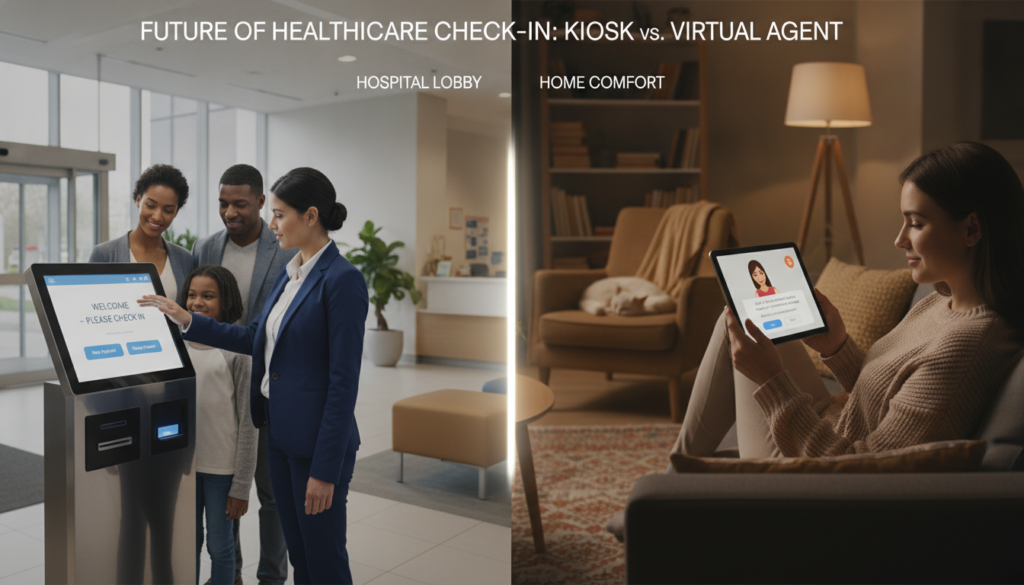
Did you know that administrative expenses now consume more than 30% of total operating budgets at most medical facilities across the United States? This staggering figure represents billions of dollars diverted from patient care each year.
Your organization is facing a tough time in 2026. Rising labor costs, complex rules, and a lack of staff are making things hard. Hospital leaders and clinic managers are under a lot of pressure to manage with less.
The good news? Innovative solutions are emerging to tackle these obstacles head-on. From strategic outsourcing through healthcare BPO services to advanced technology integration, you have more options than ever before. These approaches can cut your costs by 30-50% while making things more accurate and efficient.
This guide gives you the tools to tackle the healthcare administration challenges 2026 brings. You’ll learn how to make your operations better, save money, and succeed in today’s complex world.
Key Takeaways
- Administrative overhead now exceeds 30% of operating budgets at most U.S. medical facilities, diverting critical resources from patient care
- Strategic outsourcing can reduce operational costs by 30-50% within the first year while improving accuracy and claim acceptance rates
- Rising labor costs, regulatory complexity, and staffing shortages create unprecedented pressure on hospital executives and clinic managers
- Modern BPO solutions offer dedicated staff, HIPAA compliance, and transparent performance metrics to support your operations
- Organizations with claim denial rates above 7% or annual turnover exceeding 25% benefit most from outsourcing administrative functions
- Technology integration and specialized vendor partnerships provide scalable solutions to address evolving industry demands
Current Landscape of Healthcare Administration
Healthcare administration in 2026 is very complex. Many changes are happening at once. Your team needs to adapt to new ways of working.
The healthcare admin trends 2026 are big changes, not small ones. You’re in a time of big change in how care is given and recorded. Your job now includes things that used to be separate from healthcare.
The Foundation of Modern Healthcare Administration
Healthcare administration is all about keeping things running smoothly. It’s the unseen work that helps patients get the best care. Without strong admin systems, even the best doctors can’t do their best.
Your team does many important things:
- Financial management like budgeting and keeping costs down
- Human resources functions like hiring and training staff
- Compliance oversight to follow laws and rules
- Strategic planning to set goals and meet patient needs
- Technology implementation to use new systems
These tasks are getting more complicated. Your team needs to know about new ways of managing health and care. This includes using data and working together across departments.
Administrative roles are also changing. You’re now focusing on patient experience and community health. This shows the shift towards caring for the whole person, not just their health.
The admin side of healthcare is as complex as the clinical side. Leaders need to handle rules, money, and quality all at once.
Transformative Forces Reshaping Your Operations
Several big trends are changing how you run healthcare. Knowing these healthcare admin trends 2026 helps you stay ahead. These changes are here to stay.
Digital transformation is leading the way. You need to use new tech like electronic records and AI. This tech affects every part of your team and needs ongoing investment.
Think about how these trends affect your work:
- Shift toward outpatient and virtual care settings – Your systems need to handle care outside hospitals
- Growing emphasis on social determinants of health – You’re now helping with non-medical services like housing and food
- Increasing industry consolidation – Mergers mean you have to bring systems together
- Value-based reimbursement models – You’re paid based on patient outcomes, not just how many patients you see
- Heightened regulatory scrutiny – You need to keep up with more rules and report on them
Your team has to do more with less. You need to be efficient but also invest in new things. This is the challenge of modern healthcare admin.
| Traditional Administrative Focus | 2026 Administrative Priorities | Required Capabilities |
|---|---|---|
| Volume-based metrics | Value-based outcomes | Advanced analytics and reporting |
| Departmental silos | Integrated care coordination | Cross-functional collaboration tools |
| Paper-based processes | Digital workflow automation | Technology proficiency and change management |
| Reactive compliance | Proactive risk management | Predictive modeling and continuous monitoring |
These trends make things more complicated for your team. You have to balance saving money with improving care. Following rules takes a lot of work but doesn’t make money.
Patient-centered care means your team needs to be more flexible. You’re making it easier for patients to get their health info and schedule visits. This makes patients happier but takes a lot of work from your team.
Understanding this landscape helps you tackle challenges. Your success depends on knowing how these changes affect your work. The healthcare admin trends 2026 offer both challenges and chances for new ideas.
Financial Challenges Facing Healthcare Organizations
Today, managing a healthcare budget is tough. It’s like nothing we faced five years ago. Your team must balance great patient care with tight budgets and growing costs. The financial world has changed a lot, making it hard to keep up.
There’s a big storm of economic issues hitting your finances hard. Every department is spending more than planned. Vendors keep raising prices, and your CFO is worried about next year’s costs. These problems are not just small issues; they’re big changes in how we handle money in healthcare.
Rising Operational Costs
Operational costs have gone up a lot over the last three years. Medical gear now needs to be replaced every five to seven years. This is because of new tech and more use. The cost of new machines, like diagnostic tools and surgical robots, has jumped by 25-40% from 2023.
Pharmaceutical costs are also a big problem. Specialty drugs and biologics are taking up more of your budget. Your pharmacy says some cancer treatments cost $15,000 a month. Newer treatments can cost over $200,000 a year.
Keeping your buildings in good shape is also expensive. You need to update HVAC systems, fix roofs, and modernize electrical systems. Energy costs have gone up by 30-35% in the last two years.
Supply chain issues make things even harder. You’ve faced shortages of things like IV fluids and PPE. When these items do come in, they cost more than expected.
Here are some big cost areas to watch:
- Medical technology and equipment: You need to keep up with new tech to offer top care.
- Pharmaceuticals: Specialty drugs are causing big increases in medication costs.
- Facility operations: Maintenance, utilities, and repairs are taking up more of your budget.
- Supply chain expenses: Price changes and shortages are affecting what you pay for supplies.
- Contract services: Vendors are raising their prices for services like labs and imaging.
Impact of Inflation on Budgets
Inflation has made your money go further than it used to. What cost $100,000 three years ago now costs about $118,000. But your income hasn’t kept up, leaving you with a financial squeeze.
Your food services department is spending 22% more on groceries and supplies. Environmental services is paying more for cleaning products and waste management. Even office supplies and admin materials are costing more than expected.
The extra work in medical admin is adding to your costs. Your billing team is spending more time on things like prior authorizations and claims denials. This takes away from care and healthcare cost reduction efforts.
Reimbursement rates from payers haven’t kept up with your costs. Medicare updates are only 2-3% a year, but your costs are rising faster. Commercial insurers are also not paying enough, leaving you to cover the difference.
Your team is working hard to collect payments, but it’s tough. Claims are taking longer to process, and denials are up by 15-20%. This is straining your resources.
The problem isn’t just rising costs. It’s that costs are rising faster than we can get paid for our services.
To cut costs, you need a plan that boosts revenue and manages expenses. Look at your revenue cycle for bottlenecks. Negotiate better deals with suppliers and use group buying power.
Also, tackle the medical administrative burden that adds costs without improving care. Streamline prior authorizations and use tech to manage claims and denials. This can save money and reduce staff needs.
Cost-saving efforts need leadership and staff support. Monitor expenses, analyze variances, and hold people accountable. Use zero-based budgeting to justify every expense.
Regulatory and Compliance Obstacles
Healthcare rules make things hard for you. They take up your time and money. You deal with rules from start to finish, like when patients come in and when you bill them.
You have to follow rules from many places. The CMS sets some rules, and states add their own. The Joint Commission and others make things even more complex.
Not following rules can cost a lot. You could lose millions and hurt your reputation. You need systems that prevent compliance failures before they occur.
Recent Legislative Changes Affecting Operations
Legislation changes fast, and you must keep up. New rules make you share prices with insurers. This adds a lot of work for your finance and IT teams.
The No Surprises Act changed billing for out-of-network services. You must give patients estimates and handle payment disputes. This makes billing more complex and needs better denial management strategies.
Interoperability standards mean you must share patient data easily. You’re working on APIs and data standards. But, you must avoid information blocking to avoid penalties.
Medicare and Medicaid have more rules now. Your teams must follow these while caring for patients. This makes things tough for them.
State laws add more complexity. You might work in different states with different rules. This includes:
- Licensing and credentialing standards that differ significantly between jurisdictions
- Scope of practice regulations affecting how your providers can deliver care
- Telehealth reimbursement rules that vary widely across state lines
- Data privacy laws that exceed federal HIPAA requirements in certain states
Building Effective Compliance Infrastructure
Your compliance program must handle many rules at once. HIPAA is key for protecting patient info. You’re using tech, doing risk assessments, and training staff.
Rules about doctor relationships and referrals are also important. These rules affect how you work with doctors. You need legal help to follow these rules.
Keeping records is a big job. Your team must document patient visits and treatment plans. These tasks take away from time with patients and can cause burnout.
Your compliance setup should have a few key parts:
- Comprehensive policies and procedures that guide staff
- Regular training programs to keep staff up to date
- Monitoring and auditing systems to find and fix issues
- Corrective action protocols to handle problems quickly
- Clear reporting channels for staff to report concerns
It’s not just about following rules. You need to make following rules a part of your culture. This takes leadership and making sure everyone knows what to do.
Your compliance team needs the right resources and power. Not having enough staff is risky. You’re balancing spending on compliance with the cost of not following rules.
Technology can help with compliance. It can automate checks and make documentation easier. But, you must check that your tech meets privacy and security rules.
The goal is not just to avoid penalties but to create systems that support quality care delivery while meeting all regulatory obligations efficiently.
You want to save time for your team so they can focus on patients. Every minute saved is a minute you can use to help patients. Finding the right balance is key in healthcare today.
Staffing Shortages and Workforce Management
The fight for skilled healthcare workers has grown harder. This makes it tough to keep care consistent. You face a market where demand far outstrips supply in almost every role.
From nurses and doctors to support staff, finding good people is hard and costly. You compete with other places that offer better work-life balance and less stress.
This makes you rethink how you find and pay staff. Balancing competitive pay with tight budgets is a big challenge for leaders.
Navigating Recruitment and Retention Challenges
Your hiring efforts need creative and thorough plans to stand out. You’re using bonuses, relocation help, and flexible hours to attract staff. These steps help but stretch your budget thin.
Keeping staff is just as hard. They face burnout, compassion fatigue, and the medical administrative burden. When they leave, care quality drops and training costs rise.
High turnover rates are common in healthcare. Each time someone leaves, you lose valuable knowledge and team strength. The rest of the team takes on more, leading to burnout and more leaving.
Here are key reasons for staff leaving:
- Too much paperwork takes up hours of staff time
- Prior authorization is a big frustration for staff and patients
- Admin tasks distract from core healthcare duties
- Little chance for career growth within your team
- Other jobs offer better pay or conditions
Workforce planning is key to avoid gaps when key staff leave. Training staff in new skills helps with flexibility. Working with schools can bring in new talent and help current staff grow.
Prioritizing Employee Well-being for Long-Term Success
Your staff’s happiness affects your care quality and success. You need comprehensive wellness programs for their physical and mental health. These show you care and reduce absences and job unhappiness.
Mental health support is vital for your team. Offer counseling, peer groups, and stress tools. Make it okay to ask for help to boost team morale.
The medical administrative burden makes staff unhappy and may lead them to leave. Using virtual assistants and streamlining admin lets staff focus on care. Happy staff means better care.
Right staffing levels protect patients and staff from overwork. Even with tight budgets, keep staff numbers right. This cuts errors, boosts patient care, and shows you care about safety.
Your culture is key to keeping and attracting staff. Think about these culture boosters:
- Regular praise for achievements
- Open communication where staff ideas matter
- Flexible hours for better work-life balance
- Opportunities for learning and growth
- Programs to grow future leaders
Investing in staff well-being pays off. It keeps staff, improves patient happiness, and boosts your reputation. Staff want to work for places that truly care for them. A supportive work environment attracts more staff naturally.
Dealing with staffing issues needs long-term effort and investment in your team. While temporary staff can help, relying on them is costly and unstable. Aim for a stable, engaged team that sees your place as their career home.
Technology Integration in Healthcare
Technology is changing healthcare fast. It’s both a big help and a big challenge. New systems affect how you care for patients and run your office.
Technology brings quick benefits and prepares you for the future. But, it also adds complexity. You need to train staff and keep systems running smoothly.
Advantages of Digital Patient Records
Your electronic health records system is key. EHR platforms give your team quick access to patient histories. This helps them make faster, better decisions.
These systems also cut down on medical mistakes. They warn about drug problems and suggest treatments. This keeps patients safer.
Having one record system helps everyone work together better. Specialists can see what primary care has done. Nurses can check on meds. And case managers can track plans.
Admin work gets better too. Billing is more accurate. Claims go out faster. Your money work improves a lot.
Modern EHRs help you make smart choices. You can track how well you’re doing and find ways to get better. This turns your EHR into a tool for making your organization better.
Security Threats and Protection Strategies
Healthcare faces big security risks. Hackers target patient data for its value. Ransomware can shut you down, losing you money and patients.
Getting hacked can cost a lot. You face fines and lawsuits. It also hurts your reputation, making it hard to get new patients.
Protecting yourself starts with training staff. They need to know about phishing and data safety. This stops most problems.
Use strong tech to block hackers. Multi-factor login stops stolen passwords. Network parts help stop malware. Regular checks find and fix problems before hackers do.
Having a plan for when you get hacked is key. This plan tells you what to do and how to tell others. Practice this plan so your team knows what to do. Cyber insurance helps cover big losses.
Getting systems to talk to each other is hard. You need standards like FHIR for data sharing. But, setting this up takes planning and testing.
| Security Component | Implementation Strategy | Expected Outcome | Update Frequency |
|---|---|---|---|
| Risk Assessment | Comprehensive evaluation of all systems, networks, and data flows | Identification of vulnerabilities and prioritized remediation plan | Quarterly |
| Employee Training | Mandatory cybersecurity awareness programs with simulated phishing tests | Reduced human error incidents and improved threat recognition | Monthly |
| Access Controls | Multi-factor authentication, role-based permissions, and privileged access management | Prevention of unauthorized system access and data exposure | Continuous monitoring |
| Network Security | Firewalls, intrusion detection systems, and network segmentation protocols | Limited malware spread and isolated breach containment | Real-time updates |
| Incident Response | Documented procedures with assigned roles and communication protocols | Faster recovery time and minimized operational disruption | Semi-annual drills |
New tech like AI and remote monitoring is exciting. They can make care better and save money. But, you must check their safety first.
As you move forward, balance innovation with security. Make sure new tech is easy to use and works well. Every investment must show clear benefits to your team and patients.
Your tech plan should match your goals and patient needs. Focus on solving big problems first. Roll out new tech in steps to manage change. Keep an eye on how well it works.
Patient-Centric Care Models
Changing to patient-centered care means looking at healthcare in a new way. Your team must focus on patients in everything you do. This is a big change for 2026 in healthcare.
Switching from old models means changing how you work. You need systems that meet patient needs, not just provider schedules.

Building Meaningful Patient Engagement
Engaging patients is key to your success. Active patient participation leads to better health and happier patients.
It’s important to involve patients in their care. Your team needs tools and training to do this well.
Your systems should help patients get involved in their care. This includes:
- Patient portals for easy access to health info
- Personalized care plans made with patients
- Communication platforms that fit patient needs
- Educational resources for all patients
- Feedback mechanisms for patient input
You also need to remove barriers to patient participation. Cultural and literacy programs help your team understand patients better.
Your technology should be easy for everyone to use. Complicated systems can make patients frustrated and less engaged.
Expanding Access Through Telehealth Innovation
Telehealth is changing how you reach patients. It lets you serve those in rural areas and offer convenient care.
Setting up telehealth needs a lot of work. You must handle credentialing, understand payment rules, and choose secure technology.
| Telehealth Component | Administrative Requirements | Patient Benefits |
|---|---|---|
| Remote Monitoring | Device management, data integration protocols, alert systems | Continuous care, early intervention, reduced hospital visits |
| Virtual Consultations | Scheduling systems, payment processing, interstate licensing | Convenience, time savings, improved access |
| Digital Therapeutics | Program oversight, outcome tracking, insurance coordination | Personalized interventions, flexible engagement, better adherence |
| Asynchronous Care | Message triage, response time standards, documentation workflows | Communication flexibility, reduced wait times, ongoing support |
Some patients face barriers to telehealth. Not everyone has internet or feels comfortable with technology. Your approach should include options for everyone.
Offer device loans, tech training, and mix virtual and in-person visits. This ensures everyone can access care.
Keep up with changes in telehealth payments. Some services might need new agreements. Stay informed and advocate for telehealth payments.
Training your team is key for quality care. They need to know how to connect with patients online and when to see them in person.
As healthcare admin trends 2026 focus on patients, telehealth will grow. Plan for this now to avoid problems later.
Data Management and Analytics
Healthcare data has grown a lot, bringing both chances and challenges. Every time a patient visits, you get more data. By 2026, hospitals will have over 50 petabytes of data every year.
Your systems, like electronic health records and billing platforms, are all connected. This data can answer many questions about quality and patient care. But turning this data into useful insights is hard and needs special tools.
The medical administrative burden affects every part of your organization. Your teams must keep the data accurate and safe. They also need to find important patterns in millions of records.
Turning Information Into Strategic Advantage
Your analytics skills are key in today’s healthcare world. Big data lets you plan ahead, not just react. You can spot trends early and use resources wisely.
Predictive analytics helps you focus on the most important areas. It finds patients at high risk for problems. This way, your team can offer help before it’s too late.
Let’s look at how different analytics help your strategy:
| Analytics Type | Primary Function | Healthcare Application | Strategic Value |
|---|---|---|---|
| Descriptive Analytics | Reports what happened | Monthly quality metrics and utilization reports | Establishes baseline performance |
| Predictive Analytics | Forecasts what will happen | Patient readmission risk scores and demand forecasting | Enables proactive intervention |
| Prescriptive Analytics | Recommends best actions | Treatment pathway optimization and resource allocation | Guides decision-making process |
| Diagnostic Analytics | Explains why it happened | Root cause analysis of adverse events | Identifies improvement opportunities |
Your data also shows value to others. Payers want to see that your care is cost-effective. Community leaders need proof of your impact on health. Comparing with others helps you find areas to improve.
Healthcare organizations that use advanced analytics see a 15-25% improvement in efficiency. They also see up to 30% fewer unnecessary readmissions in two years.
Keeping up with analytics needs money and skilled people. Data experts turn numbers into stories your leaders can act on. The medical administrative burden includes making data clean and keeping systems running right.
Protecting Patient Information While Maximizing Value
Data privacy gets more complex as you use more analytics. You must balance using patient data and keeping it safe. Your rules must follow laws and build trust.
HIPAA compliance is key, but other laws add more rules. For example, California’s laws give patients more rights over their health info. Your policies must meet the toughest rules for your patients.
Your data rules should cover important things:
- Clear rules on who can see data and why
- Records of who sees patient info and why
- Rules on how long to keep data
- Safe ways to send data over networks
- Ways to hide patient data for research
Your patients want to know how you use their info. Tell them what data you collect, why, and who sees it. This builds trust and helps them share important info.
Keeping analytics safe and private needs education for everyone. Everyone who works with patient data must know how to handle it right. Your organizational culture must see data security as a team effort, not just IT’s job.
New tech like blockchain and federated learning might help share data safely. These tools let groups work together without risking patient privacy. Your tech plan should look at these new ways to share data safely.
Data breaches can hurt your reputation and cost a lot. They can cost over $10 million. Staying safe with strong rules is better than fixing problems after they happen.
Value-Based Care and Reimbursement Models
Value-based care is changing how your healthcare organization makes money and shows quality. This change affects everything, from how doctors work to how you plan your finances. Your team faces new challenges as payment methods change from old ways to new ones.
Handling many payment types at once is hard for your staff. They must balance old billing with new ways to track performance. This mix of tasks needs special skills that many groups are learning.
To do well, you need to link payment changes to better patient care and work flow. Groups that cut costs often tie their payment plans to improving care. This link helps both your money and patient health.
Transition from Volume to Outcomes
You’re moving from old payment models to ones that focus on patient results. Now, you’re judged on patient outcomes, quality, and total care costs. This big change makes you think differently about every choice and process.
Value-based deals set clear goals for quality and cost for your patients. If you meet these goals, you get extra money. But, if you don’t, you might lose money or get less payment.
Your team needs to handle new tasks that weren’t there before. Risk stratification helps find patients who need extra care. Care coordination makes sure patients get the right care from different places and doctors.
Value-based programs need different reports than usual billing. You need good systems to track and send out quality data. Who counts toward your goals is also important and needs careful tracking.
Understanding your finances is key. Your team must predict money based on quality, use, and risk. These predictions help decide where to put resources and which programs to join.
Navigating Implementation Complexities
Starting value-based care is hard and goes beyond money. You need good data tools to track important metrics. Without clear data, you’re working in the dark, where results affect your money.
Your care system must work together across different places. This needs tech that shares info well and teams that work together. Getting this right is a big challenge for many.
Getting doctors on board is very important. They need to see how their work affects your success. Many doctors are used to old ways and might feel new rules limit them or add too much work.
Changing your culture takes time and effort from leaders. You must move from focusing on how much you do to focusing on value. This change affects hiring, how you judge performance, planning, and daily work.
The medical administrative burden grows as you join more value-based programs. Each program has its own rules, goals, and time frames. Your team must learn many different rules, often managing 10 programs at once.
Your money work gets much harder in this new world. You’re dealing with old claims, bonuses, bundles, savings, and maybe even capitated payments. Each type needs its own way of billing, checking, and managing money.
Common challenges include:
- Data integration difficulties combining clinical, financial, and operational information from different systems
- Staffing constraints finding people who know both quality improvement and finance
- Technology limitations using old systems not made for value-based reports
- Patient attribution uncertainty figuring out who counts toward your goals
- Benchmark volatility adjusting plans as payers change goals and rules
Success in this change needs careful planning and a big investment in skills and systems. It takes time to learn and get good at these new ways. Early starters often face bumps before they get better, so keeping everyone committed is key.
This journey is both a challenge and an opportunity. Groups that get good at value-based care will have an edge as the industry moves away from old payment ways. Your work in these areas helps you do better now and stay strong in the future.
Sustainable Practices in Healthcare Administration
Environmental responsibility and healthcare cost reduction meet when you use green practices. These steps are more than just doing good. They save money and help the community.
Your facility uses a lot of energy and makes a lot of waste. This is a big challenge and a big chance. By caring for the environment, you can also cut costs.
The best companies see green as a smart business move. It’s not a choice between saving money and being green. It’s both, done well together.
Building an Environmental Action Plan
Your green journey starts with checking how you’re doing now. Look at energy use, waste, water, and supply chain. This tells you where you can make the biggest difference.
Energy management is a big chance for quick savings. Healthcare places spend a lot on energy. New systems can cut this cost by 15-30%.
Switching to LED lights is a smart move. It pays off in two to three years by using less electricity and needing less upkeep. This saves money for other important things.

Solar panels are a big investment but bring big benefits. Many places now get 20-40% of their power from the sun. There are government incentives to help pay for this.
Water-saving programs also save money and help the planet. Fixtures that use less water and campaigns to use less water can cut water use by 20-35% a year.
Transforming Waste Management Practices
Reducing waste saves money right away. Healthcare places throw away a lot of stuff every day. It costs a lot to get rid of it.
Recycling is a big help. Recycling cardboard, paper, plastics, and metals saves money. It can cut waste by 30-50% by sorting and recycling better.
Using things over and over instead of throwing them away is smart. Things like surgical gowns and blankets can replace disposable ones. It costs more at first but saves money later.
Being smart about food service also helps. Composting, buying local, and eating more plants cuts waste and costs. It makes food better for people and saves money.
Calculating Financial Returns
The cost-effectiveness of sustainability is clear when you look at the numbers. Green efforts save money in many ways.
| Sustainability Initiative | Typical Investment | Annual Savings | Payback Period |
|---|---|---|---|
| LED Lighting Retrofit | $150,000-$300,000 | $75,000-$125,000 | 2-3 years |
| Building Automation System | $200,000-$500,000 | $100,000-$200,000 | 2-4 years |
| Waste Reduction Program | $25,000-$75,000 | $50,000-$150,000 | 6-18 months |
| Water Conservation Upgrades | $50,000-$150,000 | $30,000-$80,000 | 2-3 years |
Green supply chain practices also save money. Buying from companies that care about the planet and shipping together saves money and cuts down on pollution.
Working with suppliers to use less packaging also saves money. It means less waste and lower disposal costs. It can also get you better deals.
Being smart about how you work also saves money. Going paperless and meeting online saves money on paper and travel. It makes work more efficient.
Helping employees get to work in green ways shows you care. Biking, electric cars, and public transit save money and make employees happy. It makes your company a great place to work.
Being seen as green makes people want to work with you. It attracts patients, staff, and partners who share your values.
There are grants and incentives for being green. They help pay for your green efforts. Look for these to make your green plans happen faster.
Being green in the long run saves money and makes your buildings better. They last longer and are more valuable. It’s good for your bottom line and your mission.
Future-Proofing Your Healthcare Organization
The healthcare world is changing fast. You need to stay ahead of these changes. Building a system that can quickly adapt to new challenges is key.
Your team needs to be agile and operate smoothly. This way, you can keep providing great care while exploring new ideas. The trends of 2026 will ask you to balance keeping things steady and trying new things.
Start by checking where you stand now. See what you’re good at and what you need to work on. This will help you build a strong base for the future.
Preparing for Emerging Trends
Keep an eye on many things at once. Watch for changes in policies, new payment models, tech breakthroughs, and what patients want. You’ll need people to watch these trends and share what they find with your leaders.
Artificial intelligence and machine learning can really help your team. They can spot things humans might miss and make routine tasks easier. This means your team can focus on more important things.
- Predictive analytics for better patient flow and resource use
- Automating coding and denial prevention in revenue cycle
- Improving clinical documentation with natural language processing
- Forecasting for the supply chain to avoid shortages
Genomic medicine and precision health will change how you work. Think about how personalized treatments will affect your care. You’ll need to manage data better, train staff, and work with research groups.
New players like retail health providers and virtual care platforms are changing the game. You need to keep asking what makes your organization special. Your plans should include how you’ll compete or work together with these newcomers.
Use scenario planning to imagine different futures and plan for them. Do this with your leaders every year. Think about optimistic, pessimistic, and most likely scenarios for your organization.
| Organizational Characteristic | Traditional Approach | Future-Proofed Approach | Implementation Timeline |
|---|---|---|---|
| Strategic Planning | Annual planning cycle with fixed goals | Continuous strategy refinement with scenario planning | Transition over 12-18 months |
| Technology Investment | Reactive purchases addressing immediate needs | Proactive innovation pipeline with pilot programs | Establish within 6-9 months |
| Revenue Strategy | Dependence on traditional fee-for-service | Diversified streams including value-based contracts | Diversification over 24-36 months |
| Workforce Development | Compliance-focused training only | Continuous learning culture with innovation rewards | Cultural shift over 18-24 months |
Importance of Continuous Learning
Your leaders need to keep learning to stay on top of their game. The rules, best practices, and management styles keep changing. Old knowledge won’t cut it anymore.
Creating a learning culture lets your team try new things and learn from mistakes. Rewarding innovation, even when it fails, helps your team grow faster. They’ll adapt better to new situations.
Offer different ways for people to learn. This includes:
- Going to conferences for new ideas and networking
- Sharing knowledge within the organization
- Online courses and certifications
- Mentorship programs
- Cross-functional rotations
Investing in learning pays off. Your team will make better decisions and stay engaged. Happy staff are more likely to stick around and bring new ideas.
Organizational resilience is more than just knowing stuff. You need money set aside for tough times. Diversify your income and build strong community ties. These help you weather any storm.
Good leaders guide your team through tough times. They should be open about challenges and inspire confidence. They show the learning and innovative spirit you want in your team.
Future-proofing is a long-term effort, not a quick fix. Make these ideas part of your everyday work. This way, getting ready for 2026 and beyond becomes a part of who you are, not just a project.
Conclusion: Looking Ahead to 2026
Your healthcare organization is at a key moment. You face big challenges in 2026 that need quick action and a clear plan. You’ve looked at the money issues, rules, staff shortages, and tech changes in your field. Each problem is a chance to change how you work.
The Road Forward
Keeping your finances stable is your main goal. You must balance giving great care and being careful with money. With costs going up, you need new ways to use your resources wisely. Finding ways to cut costs without hurting care is key.
Staffing issues will keep pushing you hard. You must make your workplace appealing to keep good people. Pay is important, but a good work culture is more so. Your team needs support, thanks, and chances to grow.
Technology can help a lot. Look for tools that really make things better. Things like electronic health records, telehealth, and data analysis can make your work easier. Choosing the right tech is what sets winners apart from strugglers.
Your Next Steps
Begin with a detailed plan that tackles many problems at once. Make alliances with other healthcare groups, tech companies, and local groups. These partnerships can share risks and add resources.
Move towards care models that focus on patient results. This approach helps cut costs and boosts care quality. By putting patients first, your organization can do well in the coming months.