Nearly 70% of patients say long wait times at checkout ruin their visit. This shows a big problem in many places. The end of a visit is what patients remember most.
Old checkout ways slow things down and upset patients who just want to go home. Virtual check-out fixes this by letting patients leave digitally. This cuts down on waiting and makes the whole visit better.
Your patient satisfaction scores affect how much money you get paid and how you stand out. Healthcare places in the U.S. are finding that healthcare technology makes things run smoother. Digital checkout fixes common problems and meets today’s need for ease.
It’s clear that making checkout easier leads to happier patients. Cutting down on wait times helps your work flow and your reputation. This is important in a market that’s always getting more competitive.
Key Takeaways
- Long checkout wait times negatively impact 70% of healthcare experiences, making departure processes a critical touchpoint
- Digital checkout solutions eliminate administrative bottlenecks that frustrate patients at the end of their visits
- Facility reimbursement rates and competitive market positioning depend heavily on experience metrics
- Streamlined departure processes create measurable improvements in feedback and operational efficiency
- Modern expectations for convenience require healthcare facilities to adopt technology-driven solutions
- The final moments of a medical visit often determine the lasting impression on your patients
Understanding Patient Satisfaction Scores
Patient satisfaction scores are more than just numbers. They show the real experiences patients have in your healthcare place. These scores help shape how you care for patients, use resources, and compete in a market focused on patients.
Knowing what these scores mean and why they matter helps you improve your facility. The healthcare world now values quality over quantity. Your scores affect how much you get paid and your reputation.
Measuring Patient Experiences Through Standardized Systems
Patient satisfaction metrics use surveys and rating systems to measure care experiences. These tools ask about things like provider communication and facility cleanliness. They give you data to track over time.
The Hospital Consumer Assessment of Healthcare Providers and Systems survey, or HCAHPS scores, is well-known. It asks 29 questions about a patient’s hospital stay. Questions cover important areas like nurse communication and discharge info.
Your HCAHPS scores are public on the Medicare Hospital Compare website. This lets patients compare facilities before choosing care. The scores also affect your Medicare payments.
Different places use different ways to measure patient satisfaction. A patient experience clinic might use shorter surveys. Outpatient places focus on scheduling and wait times. Emergency departments look at speed and pain management.
Most use a standard rating scale. You’ll see numerical scales from 0 to 10 or options like “never” to “always.” This makes it easy to compare facilities and see trends over time.
The Strategic Value of Patient Satisfaction Data
Patient satisfaction scores are key for your facility’s success. They affect your money through Medicare and other payers. Facilities with low scores get less money.
Your reputation depends on these public ratings. Patients check online before choosing a healthcare provider. Poor scores can lose you patients, while good scores attract them.
Accreditation groups and regulators look at patient satisfaction too. Your scores show you follow quality standards and care for patients. This is important for keeping certifications and being in insurance networks.
The competition has grown around patient satisfaction. You now compete on the whole patient experience, not just clinical results. Your scores show if you care about patients and offer compassionate care.
Value-based care contracts focus on satisfaction targets. Meeting these targets is key for success in new payment models. This makes patient satisfaction a business must.
Gathering and Utilizing Patient Feedback
There are many ways to get patient feedback. Surveys are common, sent by email, text, or paper. They ask about the visit when it’s fresh in the patient’s mind.
Online reviews give unsolicited feedback. They’re less structured than surveys but offer valuable insights. Many patients check these before choosing a provider.
Real-time feedback systems let patients report issues during their visit. Tablets or devices in waiting rooms or at bedsides help. This way, staff can fix problems before patients leave.
Analysis of the data gives you insights to act on. You can see which areas do well and which need work. This shows if your efforts to improve quality are working.
In a patient experience clinic, scores might show specific issues like long waits or billing problems. This detailed feedback helps you decide where to focus. You can improve the patient experience in the most effective ways.
Feedback also helps engage patients. When you act on their suggestions, they feel heard and valued. This builds loyalty and encourages more feedback, starting a continuous improvement cycle for everyone in your healthcare community.
The Rise of Virtual Check-Out
Healthcare places are now using new tech to make things easier for patients. The old way of checking out was slow and frustrating. Virtual check-out is a big help, making visits smoother.
People want the same ease in healthcare as they do in shopping or banking. So, healthcare is using new tech to make things better. This makes patients happier and more satisfied.
Understanding the Virtual Check-Out Process
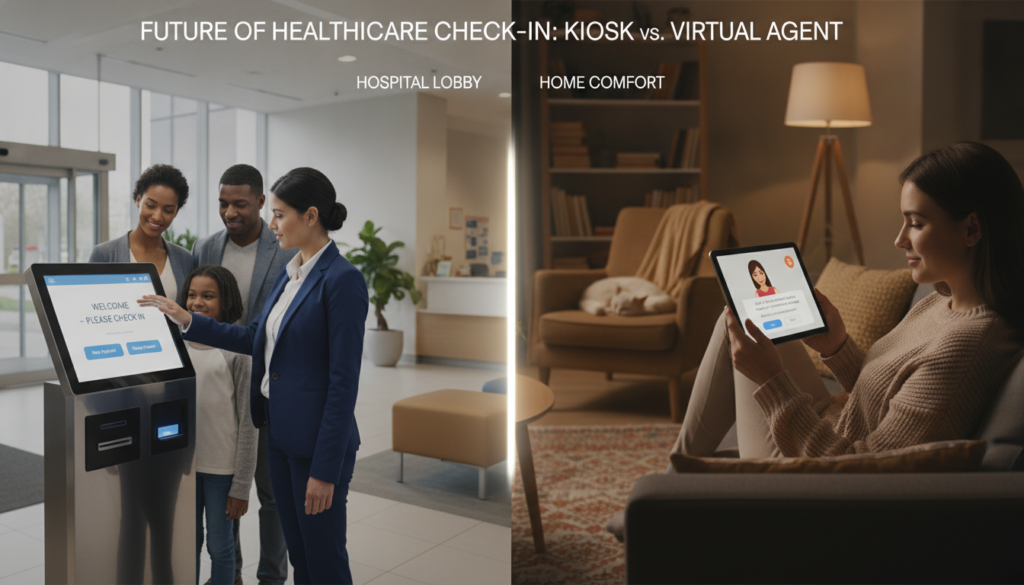
Virtual check-out lets you finish your visit without waiting in line. You can see your visit details, book future visits, and pay on your phone or tablet. This patient technology cuts down on waiting time.
You get your discharge papers online, see your bill, and check your insurance right away. This makes your healthcare experience clear and in your control.
Contactless check-out was key during the COVID-19 pandemic. It helped keep people safe while keeping things running smoothly. This made many places use digital solutions more.
The tech behind virtual check-out includes cloud systems and safe apps. These work with your health records to keep things right. Data synchronization is automatic, cutting down on mistakes.
Essential Components of Modern Check-Out Systems
Good digital healthcare has several important parts. Knowing these helps you see how the tech helps you.
Core features of virtual check-out systems include:
- Electronic Health Record Integration: Your visit info goes straight from clinical systems to check-out, making sure it’s right
- Secure Payment Processing: You can pay bills safely using encrypted payment systems
- Automated Appointment Scheduling: The system finds good times for your next visit based on your schedule and what your doctor says
- Digital Receipt Delivery: You get your bill and visit details by email or through patient portals
- Real-Time Insurance Verification: The system checks your insurance and tells you what you owe right away, so you’re not surprised
Healthcare places can pick how to use virtual check-out based on their needs. Fully automated self-service systems let you do it all yourself. Or, you can get help from staff if you want.
The process starts before you leave the doctor’s room. Your doctor can start it all digitally. This makes getting ready to leave faster.
The future of healthcare is digital, and virtual check-out is a big change in how we do things.
Many patients use mobile apps for virtual check-out. These apps are easy to use and remember your preferences. They also send you reminders for things like scheduling visits.
Technology is getting better fast. Now, it can even guess when you might want to come back and suggest the best times. It learns what you like to make your visits better each time.
Benefits of Virtual Check-Out for Patients
Switching to virtual check-out brings big wins for patients. They see these benefits right away and value them long after they leave. These advantages tackle common complaints in patient feedback and surveys.
Digital check-out changes the end of patient visits. It cuts down on frustration and boosts convenience, something old methods can’t do.
Cutting Down on Waiting Periods
Virtual check-out saves a lot of time for patients. Old check-out methods take 10 to 15 minutes. Patients wait in line for staff to handle paperwork and payments.
Now, these tasks take under two minutes. Patients use their phones or tablets to finish check-out without waiting.
Removing the need to wait in line is a big win. Long waits are a top complaint in healthcare. Cutting this down boosts patient happiness in many areas.
Digital workflows let patients start check-out in the exam room. They can review charges and schedule appointments without going to the front desk. This makes things more efficient for everyone.
Offering Control and Adaptability
Virtual check-out gives patients control over their time. They can start or finish check-out whenever they want. This flexibility meets different patient needs and tech comfort levels.
Some like to finish right away, while others prefer to review later. Your system should offer various ways to complete tasks. This includes apps, texts, emails, or patient portals.
This flexibility also means more people can use it. Virtual systems can be made easier to use for everyone. This includes features like bigger text, screen readers, and language options.
Simplifying the Departure Process
Virtual check-out makes leaving easier. It combines many tasks into one simple step. Old methods often had patients repeat information and move between stations.
Now, digital systems use what’s already in your records. Patients just verify and approve what’s already there. This cuts down on mistakes and makes things easier for patients.
| Check-Out Task | Traditional Method | Virtual Check-Out | Patient Impact |
|---|---|---|---|
| Payment Processing | Wait in line, discuss charges at counter | Review and pay digitally with saved payment methods | Privacy maintained, faster completion |
| Appointment Scheduling | Coordinate with staff availability, limited visibility | View all available slots, self-schedule instantly | Greater choice and control |
| Document Retrieval | Request and wait for printed copies | Instant digital access to visit summaries and instructions | Immediate availability, eco-friendly |
| Insurance Verification | Provide card information repeatedly | One-time digital submission with automatic updates | Reduced redundancy and frustration |
Virtual check-out makes it easier to understand what to do next. It shows clear instructions and details in an organized way. This helps patients take better care of themselves.
When check-out is smoother, patients leave feeling better. They feel respected and valued, not frustrated. This makes them happier when they rate their visit.
Virtual check-out does more than just save time. It changes how patients end their visits. It cuts down on wait times, makes things easier, and improves patient happiness. This meets the needs of today’s healthcare users.
How Virtual Check-Out Improves Staff Efficiency
Every happy patient score is linked to your staff’s well-being. Virtual check-out changes your clinic for the better. It tackles old problems that weighed your team down. Happy staff means better care and a better place for patients.
Staff performance and patient care are closely tied. Your team’s focus on patients makes their visit better. Virtual check-out gives your staff the tools to do their best job. It also cuts down on stress and burnout.

Streamlining Administrative Tasks
Front desk teams spend hours on tasks that virtual check-out can do fast. It automates payments, insurance checks, and scheduling. This means more time for talking to patients.
With virtual check-out, your team’s workload drops. No more manual payments or chasing paperwork. This lets your team handle more patients without more staff or longer hours.
Think about the old check-out process. Patients wait, staff handle payments and scheduling. Virtual check-out makes this fast. Your team works better and keeps everything accurate.
Allowing More Time for Patient Care
Less paperwork means more time for what matters. Your team can answer questions and offer support. This is what makes healthcare great.
With less paperwork, your team is more valuable. Nurses can explain care better, and receptionists can help more. These moments make your clinic better and build trust.
Time for patients means better care. Happy staff means better service. Just like virtual assistants help doctors, virtual check-out helps your team.
Reducing Stress for Healthcare Workers
Healthcare workers are under a lot of pressure. Virtual check-out helps a lot. Long lines stress everyone out.
Virtual check-out cuts down on stress. Billing issues and long waits are less common. Your team is happier and less stressed.
Happy staff means better care. This makes patients happier too. Your team is more satisfied when they’re not dealing with checkout problems.
Technology helps your team and patients. It makes healthcare better. Happy staff means patients get better care.
Good technology helps your team stay happy. It makes training easier and your clinic more resilient. Your team can focus on what matters most.
Implementing Virtual Check-Out Systems
Your journey to virtual check-out starts with knowing your current processes. You need to find where technology can help the most. A good implementation strategy makes adopting new tech smooth and keeps daily operations running.
Before introducing new systems, look at your current check-out process. Find the problems that virtual solutions can solve.
Success with virtual check-out needs careful planning and execution. Start with a solid foundation for now and the future. This way, your team can grow with the system, not get overwhelmed.
Steps to Introduce Virtual Check-Out
Introducing virtual check-out needs a step-by-step plan. This plan should cover tech, operations, and people. Here are the key steps:
- Conduct a thorough check of your current check-out methods to find problems and chances for betterment
- Choose a vendor whose system works well with your current systems
- Start a pilot program with a few patients to test and find issues before everyone uses it
- Plan how to tell patients about the new option through emails, texts, and signs in the office
- Make a plan to roll it out in stages so different areas or patients can try it at their own pace
The pilot phase is key for getting feedback. It helps find and fix problems before everyone uses it. Like with denial management, your virtual check-out needs watching to avoid problems.
When telling patients about the new system, highlight the benefits. Talk about how it saves time, is more private, and is easy to use. Make sure to offer help and support to make patients feel at ease.
Training Staff on New Technologies
How well your team uses the virtual check-out affects patient happiness and system success. Staff training is more than just teaching how to use it. It’s about helping them help patients and solve problems. You need to teach them well so they feel confident and skilled.
Good ways to train staff on technology adoption include:
- Hands-on practice sessions where staff try it out with fake patients
- Role-playing exercises to prepare them to help patients
- Quick guides for common tasks and fixing problems
- Designate super-users who can help others and answer questions
Start training by talking about change management. Some staff might be unsure or worried. Let them share their concerns and ask questions to build trust and reduce resistance.
Also, teach staff how to help patients who struggle or prefer the old way. They need to know how to offer help without making patients feel bad. This way, virtual check-out makes things better, not harder, for patients.
After the initial staff training, keep supporting them. Regular updates and training keep them ready and confident. This ongoing support helps your facility get the most out of your virtual check-out system.
Addressing Patient Concerns with Technology
Virtual check-out has many benefits, but it’s key to tackle patient worries. This ensures a smooth transition and boosts patient satisfaction scores. Patients might fret about data safety or find new tech hard to use.
By addressing these concerns, you show you care about your patients. Clear answers and reliable solutions build patient trust. This trust goes beyond just check-out and improves overall healthcare.
Protecting Patient Information Through Robust Security
Your virtual check-out must keep patient info safe. HIPAA compliance is a must for all personal health info. This includes medical records and payment details.
Encryption is your first defense. Use end-to-end encryption for all data. This way, even if data is intercepted, it’s unreadable without permission.
Secure login methods stop unauthorized access. Multi-factor authentication adds an extra layer. It combines something you know, have, or are to verify identity.
Clear privacy policies are key. They explain what data you collect and how it’s used. Make these policies easy to find and simple to understand.
Regular security checks find and fix issues before they cause problems. Do these reviews every quarter. Share the results with patients to show your commitment to data security.
| Security Measure | Purpose | Patient Benefit | Implementation Priority |
|---|---|---|---|
| 256-bit Encryption | Protects data during transmission | Personal information stays private | Critical – Required |
| Multi-Factor Authentication | Verifies user identity | Prevents unauthorized account access | High – Recommended |
| HIPAA-Compliant Servers | Stores data securely | Ensures regulatory protection | Critical – Required |
| Automatic Session Timeout | Locks inactive accounts | Protects if device is lost or stolen | Medium – Beneficial |
| Privacy Policy Transparency | Explains data handling practices | Builds understanding and trust | High – Recommended |
Solving Technology Challenges Patients Face
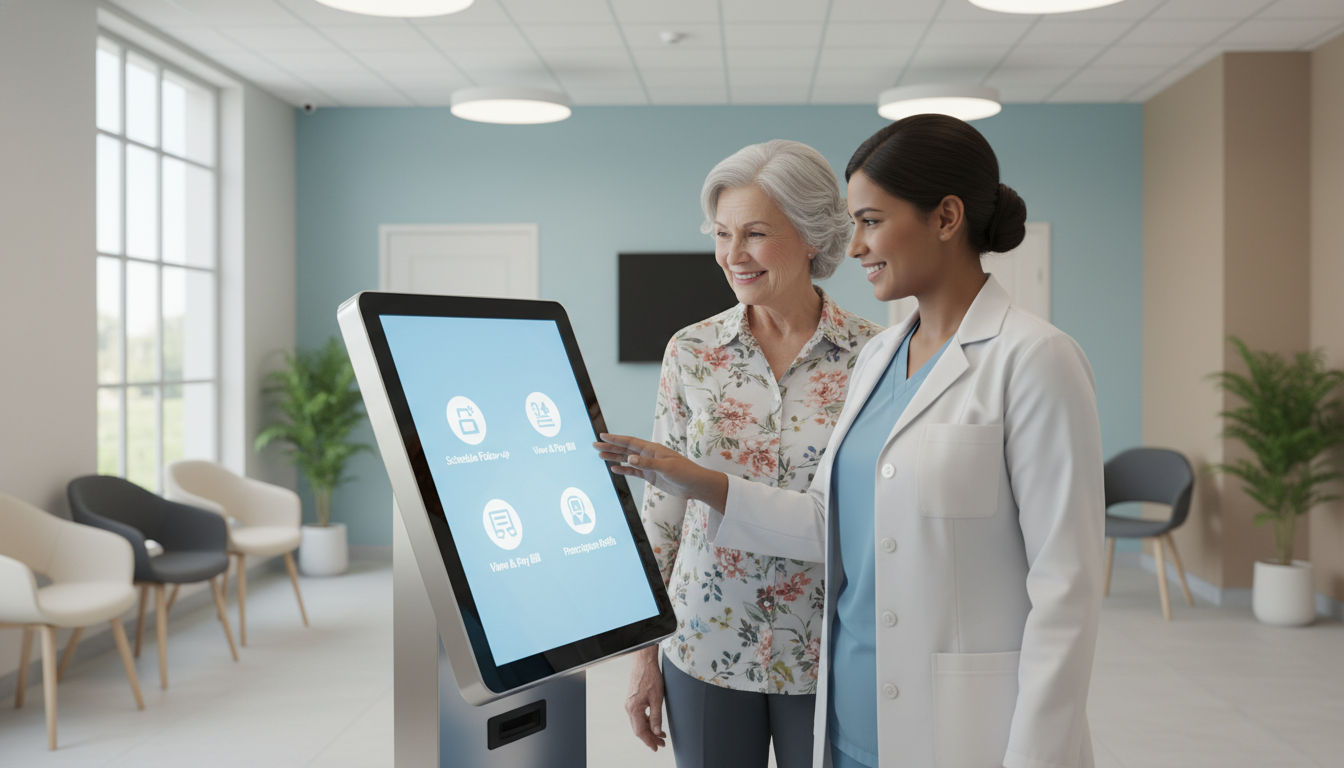
Not all patients have smartphones or reliable internet. Offer tablet stations in waiting rooms for check-out. This way, they can use your system without their own devices.
Internet issues can stop patients from using virtual check-out. Make sure your Wi-Fi is strong and easy to find. Have staff ready to help with any connection problems.
A confusing digital interface can stress patients. Make your system easy to use. Use big buttons, clear labels, and simple steps.
Some patients miss the personal touch of old ways. Place staff near self-service stations to help. Train them to check in with patients using virtual systems.
Always have traditional check-out options ready. This way, you avoid leaving patients stuck when tech fails.
Teaching patients how to use your system is key. Use clear signs and videos to show how it works. This helps them feel confident and ready to use it.
Your staff is important in making patients feel at ease with new tech. Train them to help when needed. Encourage them to be patient and supportive.
Offer different ways to learn, like written guides, videos, or hands-on help. This meets different learning styles and helps patients feel supported.
Watch for common problems to fix them. If many struggle with one step, improve that part or offer more help.
Positive first experiences build trust in your system. When patients have a smooth first time, they’re more likely to use it again.
Addressing concerns boosts patient satisfaction scores. Patients who feel heard and helped become loyal. This shows you care about their needs and improves their experience.
Measuring the Impact on Patient Satisfaction
Measuring the impact of virtual check-out on patient satisfaction is key. It turns good ideas into real results. Your healthcare facility needs solid data to show this technology improves things.
Start by setting up baseline metrics before you start using virtual check-out. Track your HCAHPS scores, check-out times, and how happy patients are. This data will be your guide to see how things change after you start using virtual check-out.
Measuring success needs both numbers and stories. Numbers show what is happening. Patient stories tell why things change. Together, they give a full picture of how well virtual check-out works.
Gathering Patient Input After Launch
Getting feedback from patients after you start using virtual check-out is important. Use many ways to hear from patients. Each method reaches different people and gives different kinds of feedback.
Use surveys to get detailed feedback on the check-out process. Send these surveys by email soon after a patient’s visit. Digital surveys usually get more answers when they come quickly, when the experience is fresh in patients’ minds.
Here are some good ways to collect feedback:
- Post-visit email surveys that ask about the virtual check-out
- Follow-up phone calls for patients who had problems or left bad feedback
- Feedback kiosks in your facility for quick feedback after check-out
- Online review monitoring for mentions of the check-out process
- Focus groups with regular patients
Make your survey questions specific and useful. Ask about wait times, how easy it is to use, and if patients would use it again. Questions like “What would make the check-out process easier?” are very helpful.
Evaluating Satisfaction Data
Looking at patient satisfaction data shows if virtual check-out works. Compare data before and after starting virtual check-out. This shows what changes and where the technology makes a big difference.
Check HCAHPS scores for communication, how fast you respond, and overall satisfaction with discharge. These standardized performance metrics let you compare your facility to others. Look for better scores on communication about meds, follow-up care, and discharge instructions.
Watch both satisfaction scores and how well things run. Track how many patients use the virtual system and how fast check-out is. This shows how efficient you are and how it makes patients happier.
| Metric Category | Key Indicators | Measurement Frequency | Target Improvement |
|---|---|---|---|
| HCAHPS Scores | Discharge information, communication clarity, overall rating | Monthly | 5-10% increase within 6 months |
| Operational Efficiency | Average check-out time, completion rate, error rate | Weekly | 30% reduction in processing time |
| Patient Adoption | Usage rate by age group, opt-in percentage, repeat users | Bi-weekly | 70% adoption rate within 3 months |
| Patient Feedback | Survey responses, Net Promoter Score, complaint volume | Daily for reviews, monthly for surveys | 15-point NPS improvement |
Look at feedback by age, how tech-savvy patients are, visit type, and language. You might find that younger patients pick it up fast, but older adults need more help.
Be patient for changes in scores. Most places see improvements in two to three months as staff gets better and patients get used to it. Big jumps in satisfaction usually happen after six months of using it.
Keep everyone updated with regular reports. Make monthly dashboards to show trends in feedback, scores, and how things run. Share success stories and areas for improvement to keep things balanced.
Success Stories from Healthcare Providers
Many healthcare settings have moved from old to new check-out systems. You can learn a lot from those who have made this change. Their stories share what works and what might be tough.
These stories show how virtual check-out systems really help. You’ll see how different places made the switch and got great results. This data helps you set goals for your own place.
Small clinics and big hospitals have seen big wins in patient happiness. Virtual check-out does more than just save time. It brings real benefits to patients.
A Local Clinic Transforms Patient Flow
Riverside Family Health Center in Ohio was tired of long wait times. Patients waited 15-20 minutes to book next visits and pay bills.
The clinic faced three big problems. Staff got too busy, patients got frustrated, and they needed a simple solution.
In March 2023, Riverside started using tablets for check-out. They tested it with tech-savvy patients first.
They were amazed by the first quarter results. Satisfaction went up by 34% and wait times dropped to 4 minutes. Over 78% of patients used the new system in six months.

Staff loved the new workflow. They could focus on important cases. The clinic also cut scheduling errors by 42% and payment issues by 23%.
Dr. Sarah Mitchell said patient feedback was key. They made changes based on weekly surveys.
Lessons from Riverside include starting small and training everyone. Having tech support ready is also important.
Hospital Chain Achieves System-Wide Success
Memorial Health Systems has 12 hospitals and 200 clinics. They faced big challenges with virtual check-out. Their story shows how to manage change across many places.
They started planning in late 2022. They looked at many platforms and chose ones that fit with their systems.
They started with three hospitals. This let them find and fix problems before going wider. They watched for six months before adding more places.
The results were great everywhere. Satisfaction went up by 29% and wait times fell by 68%. The system was used by 82% of patients in a year.
Urban and rural areas had different needs. But with the right training, everyone did well. The hospital adjusted their training based on where they were.
Memorial saved $2.4 million a year in costs. They used this money for better patient care. Billing got better too, with fewer denials by 31%.
James Rodriguez said change management was key. They made plans for each place, not just one plan for all. This helped them meet local needs.
Staff found new benefits in the system. Nurses had more time for patient education. Everyone felt less stressed during busy times. The system also helped teams talk better.
| Metric | Riverside Family Health Center | Memorial Health Systems | Average Improvement |
|---|---|---|---|
| Patient Satisfaction Increase | 34% | 29% | 31.5% |
| Check-Out Time Reduction | 78% (18 min to 4 min) | 68% | 73% |
| Patient Adoption Rate | 78% (6 months) | 82% (12 months) | 80% |
| Administrative Cost Savings | Not disclosed | $2.4M annually | Significant |
| Staff Satisfaction Improvement | 42% reduction in errors | Reduced stress reported | Positive across both |
Both places said success needed ongoing effort. You won’t get it right at first. Keep listening to feedback to get better.
Virtual check-out works in many places. Your place can too. The secret is careful planning, training, and focusing on patients.
Success stories share common tips. Talk clearly with patients and offer help when needed. Watch your numbers to see how you’re doing and fix problems fast.
Continuous Improvement Strategies
The best healthcare groups see technology as a never-ending project. They keep improving their virtual check-out to meet patient needs and new tech. This keeps their system up-to-date and useful.
Creating a culture of always getting better means learning from every patient. You need ways to gather feedback, analyze it, and make changes. Without these steps, your system might fall behind.
Collecting Patient Insights Regularly
Start a patient feedback loop by giving patients many ways to share their thoughts. Use different methods to get feedback at every step of the virtual check-out. This gives a full picture of how patients feel.
Here are ways to collect feedback for better system optimization:
- Quarterly satisfaction surveys to check overall experience and find common issues
- Real-time feedback buttons in the virtual check-out to get immediate thoughts
- Patient advisory committees for detailed feedback and suggestions
- Usage analytics monitoring to see where patients struggle or leave
- Follow-up phone calls for more in-depth insights
Make a plan to review and act on feedback. Hold regular meetings to discuss patient comments. This turns feedback into real improvements.
“Quality is never an accident; it is always the result of intelligent effort.”
Analytics give numbers to go with patient feedback. Watch completion rates, time spent on each step, and where patients ask for help. These numbers show problems that surveys might miss.
Evolving Your System Based on Patient Requirements
Make your virtual check-out better by listening to patients. You need a plan to decide which changes to make first. Strategic prioritization helps use resources wisely.
Here’s a way to pick which improvements to make:
| Evaluation Criteria | High Priority Indicators | Implementation Approach |
|---|---|---|
| Impact on Patient Experience | Affects most users or a big problem | Make it a priority |
| Technical Complexity | Easy with what you already have | Do it in the next update |
| Resource Requirements | Needs little money and time | Use what you have now |
| Alignment with Goals | Helps improve satisfaction scores | Include in plans for the next quarter |
Test big changes carefully to avoid problems. Try them with a few patients first. This way, you can fix issues before everyone sees them. It keeps your scores high while you keep improving.
Changes based on feedback might include easier navigation, more languages, or better mobile use. You might also create different paths for different visits. This shows you understand the needs of each patient.
Your virtual check-out should always be improving. As patients, tech, and healthcare change, your system must too. Groups that keep improving stay ahead in patient satisfaction.
The Future of Patient Experience in Healthcare
The future of patient care is exciting and full of new possibilities. Technology will keep getting better, and so will what patients want. Your healthcare facility needs to get ready for big changes that will change how you care for patients.
Healthcare is always changing fast. Knowing about new trends helps you stay ahead. The next big thing in virtual check-out will make things even easier and more personal for patients.
Advanced Technology Features Reshaping Virtual Check-Out
New tech in virtual check-out will change how patients finish their visits. It will be more personal, easy to get to, and safe. This will make patients very happy.
Artificial intelligence will make things even better. It will learn what each patient likes and change the check-out to fit them. Patients will get a check-out that knows their preferences.
Voice-activated systems will help more patients. They will be easy for people with mobility or vision problems. It’s a hands-free way to check out.
Wearable devices will make sharing health data easy. Patients can send their health info to doctors without typing. This makes care better and saves time.
Blockchain will make patient data safe and easy to move. Patients will have more control over their health records. And their data will be safe.
These new techs will make patient care better. Using healthcare BPO services can help you use these techs better.
Emerging Patterns in Patient Satisfaction Measurement
Knowing about new trends in patient satisfaction is key. How we measure and improve patient happiness will change a lot.
Digital experience will be very important soon. Patients want the same tech ease they get in shopping and banking. Your virtual check-out system is key to their happiness with your care.
Younger, tech-smart patients will expect more from healthcare. They want easy-to-use tech and quick info. Meeting these needs is key to keeping patients happy.
The way we measure HCAHPS scores will change. New questions will focus on digital experience. Being ready for these changes will help your care stand out.
Healthcare is becoming more like retail. Patients want easy, fast service. Your virtual check-out needs to be easy but also safe and compliant.
Online reviews and social media matter a lot now. A good virtual check-out can get you good reviews. But tech problems can hurt your reputation.
Keeping up with trends can give you a big edge. Investing in healthcare innovation today will prepare you for the future. It shows you care about patient happiness and are ready for new things.
Building a Patient-Centric Culture
To improve patient satisfaction, focus on a culture that puts patients first. Technology like virtual check-out helps, but it’s not enough. It’s the team’s mindset that truly makes a difference.
Your healthcare culture affects how staff interacts with patients. Strong foundations of respect, empathy, and responsiveness are key. This makes virtual check-out part of a bigger effort towards excellence.
Successful healthcare sees patients as partners, not just recipients of care. This mindset changes how you design services and communicate. Your mission and values should show this commitment.
Encouraging Patient Engagement
Patient engagement is more than just using virtual check-out. Create ways for patients to share their thoughts and ideas. When patients feel heard, they’re happier.
Start patient advisory councils at your clinic. These councils give diverse feedback on services and facilities. This helps spot areas staff might miss.
- Regular patient surveys: Send brief questionnaires after appointments to gather feedback
- Open forums: Host quarterly meetings where patients share thoughts with leadership
- Digital feedback channels: Use apps or portals for patients to submit suggestions anytime
- Patient ambassadors: Recruit satisfied patients to mentor others
- Transparent response systems: Acknowledge patient feedback and explain how you’re addressing concerns
See patients as partners in their care decisions. Share information openly and respect their choices. This builds trust and shows your commitment to patient care.
Responding to patient feedback shows you value their input. When patients see changes from their suggestions, they become advocates. This positive word-of-mouth attracts new patients.
Ensuring Continuous Training for Staff
Staff is the frontline of your clinic, making training key to high satisfaction scores. Continuous training keeps your team up-to-date with technology and patient expectations. Without it, even the best technology won’t work well.
Offer training that covers both technical and soft skills. Your team needs to know how virtual check-out works and how to communicate well. Empathy, patience, and clear explanation are key to a smooth transition.
Focus your training on these areas:
- Technology updates: Schedule sessions for new features or system improvements
- Communication workshops: Refresh skills in active listening and patient education
- Industry best practices: Share innovations and strategies from leading healthcare
- Connection to outcomes: Show how daily actions impact patient satisfaction
- Scenario-based learning: Use role-playing to prepare for challenging patient interactions
Encourage peer learning within your team. Experienced staff can mentor newcomers, sharing tips that formal training might miss. This strengthens your culture and builds team cohesion.
Track the success of your training by looking at staff confidence and patient satisfaction. Improvements in both areas show your training is effective. Use feedback to adjust your training programs.
Make patient-centricity a part of hiring and promotions. When you hire people who share your values, building the right culture is easier. Reward staff who show great patient engagement and a commitment to improvement.
Leadership is key to keeping a patient-focused environment. Your management team should lead by example. When leaders prioritize patient experience, the whole organization follows.
The patient experience is shaped by an organization’s culture, influencing patient perceptions across care.
Virtual check-out technology works best in a culture focused on excellence. By engaging patients and training staff, you create an environment where innovation thrives. This approach ensures every technology advancement improves patient care.
Final Thoughts on Virtual Check-Out
Virtual check-out is a big step for your healthcare facility. It tackles real problems patients face during visits. This change can lead to better feedback and loyalty.
The Importance of Adapting to Patient Expectations
Patients want the same easy experiences they get from stores and banks. Healthcare needs to keep up or fall behind. Virtual check-out shows you care about their time and what they want.
Changing your ways shows you’re serious about being the best in healthcare. When you use tech to make patients happy, they feel valued. This boosts your HCAHPS scores and your community’s view of you.
Looking Ahead to Enhance Patient Satisfaction
Virtual check-out is just part of making patients happier. The healthcare world is moving towards what patients want. Being open to new ideas helps you succeed in the long run.
Keep listening to what patients and staff say. Use their feedback to make your virtual check-out better. Your effort to always get better will make patients happier and improve your scores.